Vancouver Travel Budget Guide
Vancouver is pricey, but costs vary widely - budget from $90-120/day or $200-280 mid-range. Avoid tourist traps and enjoy great free activities.
For a paid experience alongside this plan, Gastown Lost Souls Walk adds an evening of gastown history.
Last updated: March 11, 2026
Quick Facts: Vancouver Travel Costs at a Glance
| Accommodation (per night) | CAD $35-55 (hostel) | CAD $200-350 | CAD $400-600+ |
| Food (per day) | CAD $30-50 | CAD $70-110 | CAD $130-200+ |
| Transport (per day) | CAD $12-15 (transit) | CAD $15-30 | CAD $40-80 (Uber/car) |
| Major attractions | CAD $0 (free days) | CAD $40-80/day | CAD $100-200/day |
| Daily total estimate | CAD $90-120 | CAD $200-280 | CAD $500-700+ |
| Hotel tax rate (Vancouver) | ~20% on top of listed room rate (GST + PST + MRDT + DMF) |
Prices verified March 2026. All figures in Canadian dollars unless noted. Exchange rate at time of writing: 1 USD ≈ 1.40 CAD.
How Much Does a Trip to Vancouver Actually Cost?
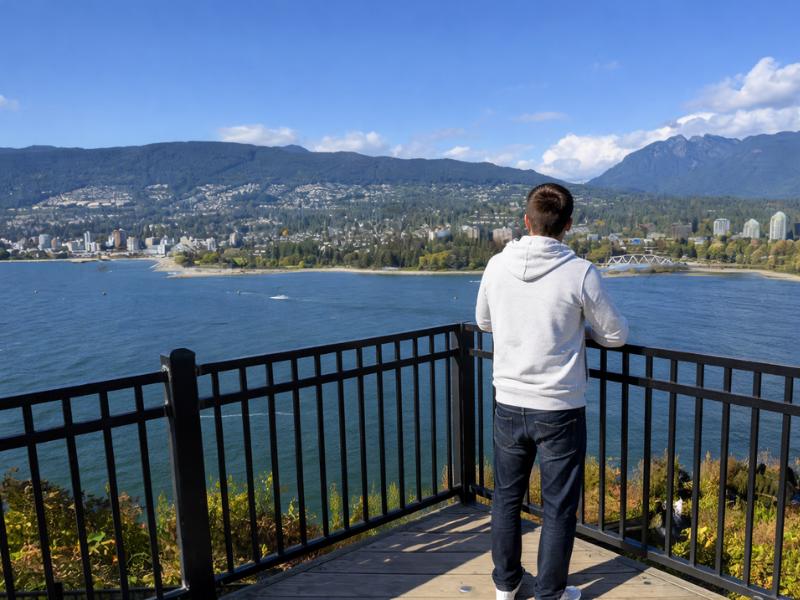
For a solo traveler, a realistic budget trip to Vancouver runs CAD $90-120 per day, a mid-range trip runs CAD $200-280 per day, and a comfortable trip (hotels, paid attractions, some dining out) runs CAD $400-600+ per day. Vancouver is one of the most expensive cities in Canada – the hotel market especially – but the city’s free outdoor activities mean budget travelers aren’t squeezed out of the good stuff.
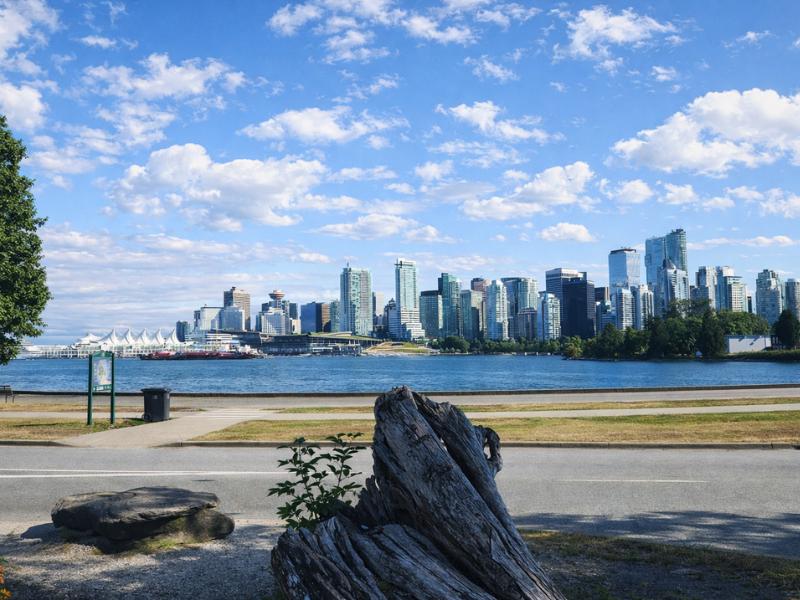
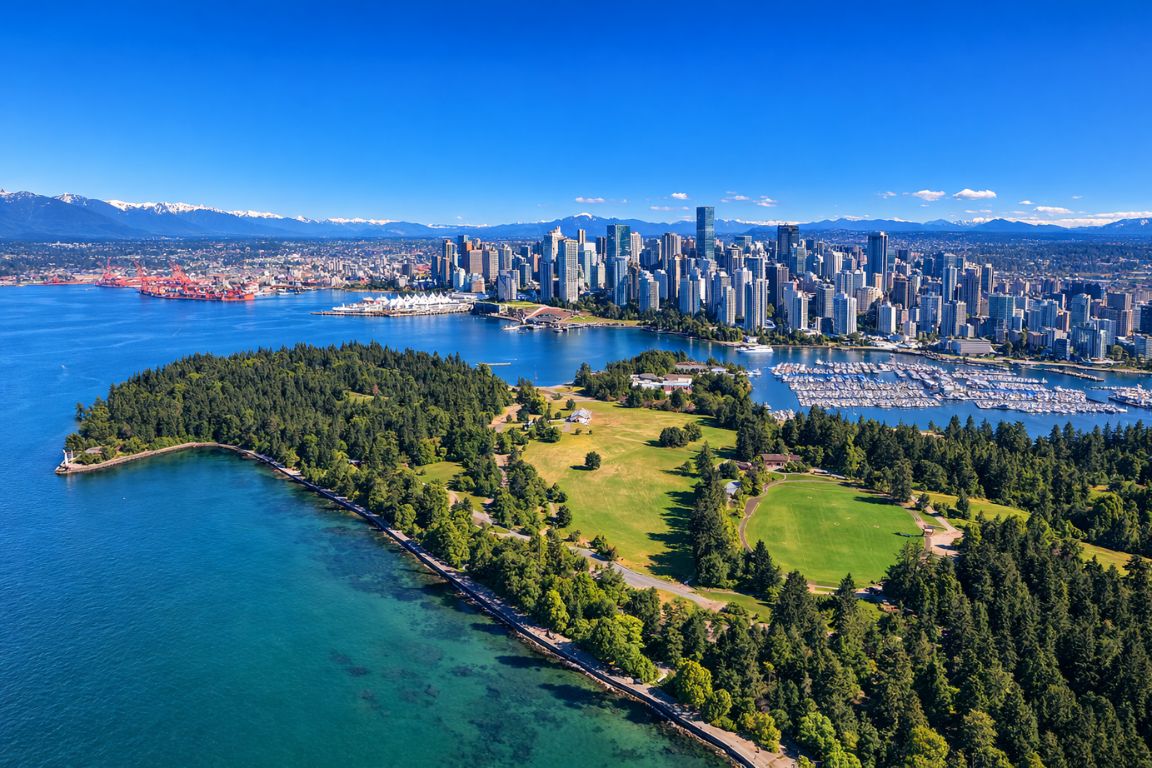
Let’s be honest upfront. Vancouver is expensive. It’s in the same conversation as Toronto for cost of living among Canadian cities, and hotel prices in peak summer (July-August) can hit CAD $420+ per night downtown for a standard room. That’s real money. What makes it manageable is that a lot of what makes Vancouver genuinely great – Stanley Park, the Seawall, English Bay, the mountains as a backdrop to everything – costs nothing at all.
The travelers who leave Vancouver feeling it wasn’t worth the price are usually the ones who spent three nights in a downtown hotel in August at peak rates, paid for every meal near tourist zones, and bought last-minute attraction tickets. The ones who feel like they got away with something stayed in the West End or North Vancouver, booked accommodation 60 days out, ate dim sum in Richmond, and mixed one or two paid attractions with the free city.
A week in Vancouver for two people, mid-range, runs roughly CAD $3,000-4,000 all in. That includes flights (variable), hotel, food, a couple of major attractions, and getting around by transit. Budget two people can do it for CAD $1,200-1,600 if they’re careful. These are not the city’s prices – these are what we’ve seen our travelers actually spend after 15 years of doing this.
Not sure how to structure your budget for the days you want to see most? Start with current prices on nature tours from Vancouver and keep the rest of the day on free outdoor time.
We’ve mapped out how to plan a trip to Vancouver Canada tours based on what actually matters – weather timing, must-see spots, and how to navigate the city efficiently.
What Should You Budget for Accommodation in Vancouver?
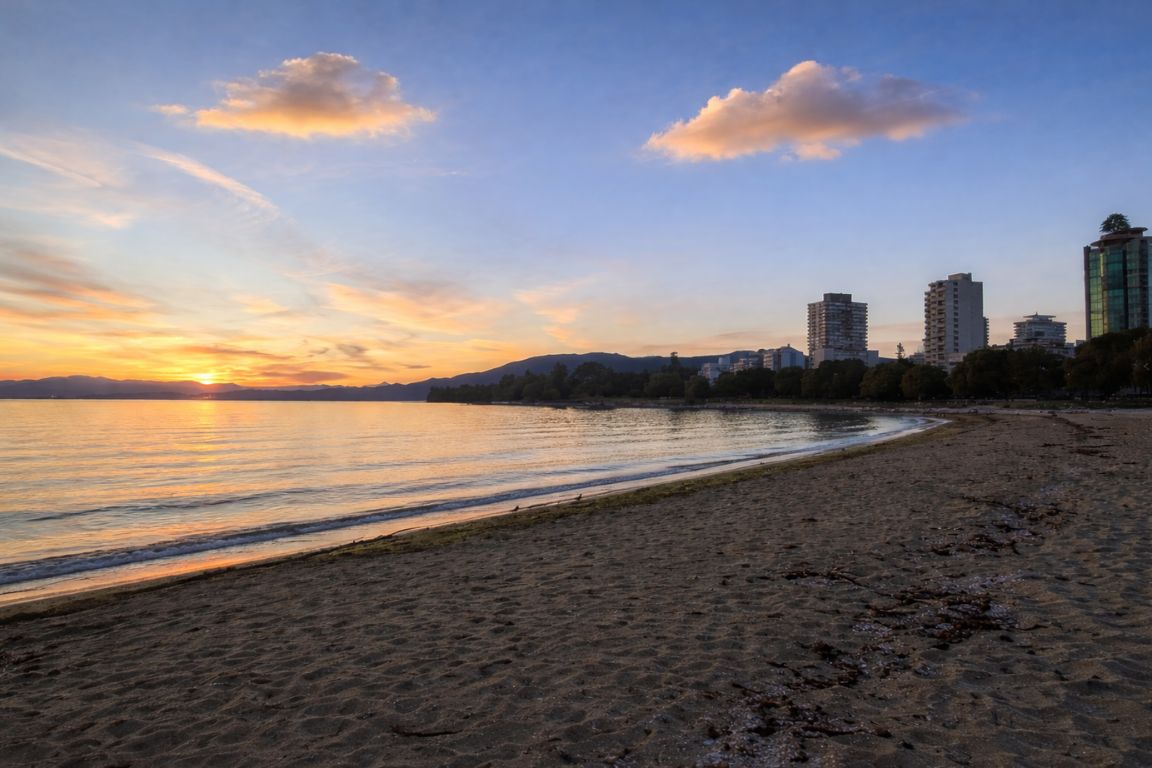 Hostels run CAD $35-55/night for a dorm bed. Budget hotels and motels start around CAD $130-180/night. Mid-range downtown hotels average CAD $200-350/night. Luxury properties run CAD $400-1,000+/night. Whatever rate you see advertised online, add roughly 20% for taxes before it hits your card.
That 20% tax figure is the most consistent budget-wrecker we see. Vancouver hotel taxes stack like this: 5% federal GST, 8% provincial PST, 3% Municipal and Regional District Tax, 2.5% Major Events MRDT (added in 2023, partly for FIFA 2026 infrastructure), plus a Destination Marketing Fee of around 1.25%. Total: approximately 20% on top of whatever rate you booked. A room listed at CAD $300/night actually costs you about CAD $360 when taxes clear.
The other thing worth knowing: Vancouver is already facing a hotel shortage. Demand has outpaced supply for years, and the situation is worse in summer months when major events stack up. Book accommodation the moment your dates are confirmed. Last-minute summer bookings downtown are brutal – both in availability and price. Booking 60 days ahead can save around 25% compared to booking within two weeks of arrival, according to industry tracking data.
Neighbourhood matters too. Staying in the West End (five-minute walk from Stanley Park, walkable to English Bay) often means better rates than the business district core. North Vancouver via SeaBus is genuinely convenient and noticeably cheaper – you trade five minutes on the ferry for meaningfully lower nightly rates.
Vancouver Accommodation by Type (March 2026)
| Hostel dorm | CAD $30-45 | CAD $40-55 | CAD $50-70 |
| Budget hotel | CAD $100-150 | CAD $130-200 | CAD $200-280 |
| Mid-range hotel (downtown) | CAD $180-250 | CAD $220-320 | CAD $350-500 |
| 4-5 star downtown | CAD $300-450 | CAD $400-600 | CAD $600-1,000+ |
| North Vancouver (SeaBus area) | CAD $120-180 | CAD $160-230 | CAD $220-320 |
Pre-tax rates. Add ~20% for actual cost. Prices verified March 2026.
How Much Does Food Cost in Vancouver?

A casual sit-down meal runs CAD $18-30 per person. A mid-range restaurant with drinks lands at CAD $50-80 per person. Fine dining starts around CAD $100+ per person before wine. Food trucks and market stalls run CAD $12-18 for a solid meal. The honest range for a full day of eating out – breakfast, lunch, dinner – is CAD $60-100 per person if you’re not being extravagant.
Vancouver is a legitimately great food city. The sushi is exceptional – not because Vancouver invented it, but because the local Japanese and Japanese-Canadian culinary culture has been building for generations. The dim sum in Richmond is some of the best outside of Hong Kong. The ramen scene is real. The problem is that tourist corridors like Robson Street and Gastown waterfront carry a significant location premium. The same quality meal costs 25–40% more in those zones than it does two blocks inland.
Lunch is where budget travelers win. Many higher-end restaurants offer lunch prix fixe or set menus at nearly half the dinner price. A restaurant that would cost CAD $80/person at dinner might run CAD $35 at lunch with similar quality. This is a legitimate money-saving strategy, not a compromise.
A few honest food cost anchors: a cappuccino at a local coffee shop runs CAD $5-6. A pint of beer at a casual bar is CAD $8-11. Grocery stores (Safeway, Save-On-Foods, T&T Supermarket for Asian ingredients) let you eat well for CAD $15-20 per day if you’re cooking. The Granville Island Public Market is beautiful but not where you go for cheap eating – it’s a splurge market.
Tipping in Vancouver follows Canadian norms: 15-18% is standard at sit-down restaurants. Some places now add automatic service charges of 18-20%. Check your bill before adding more on top. It’s more common than it used to be, and it catches people off guard.
What Do the Major Vancouver Attractions Cost?
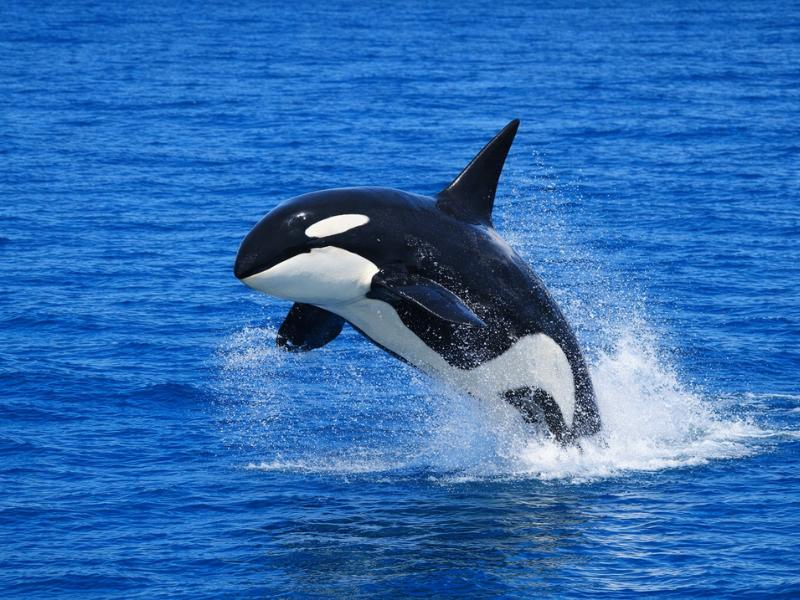
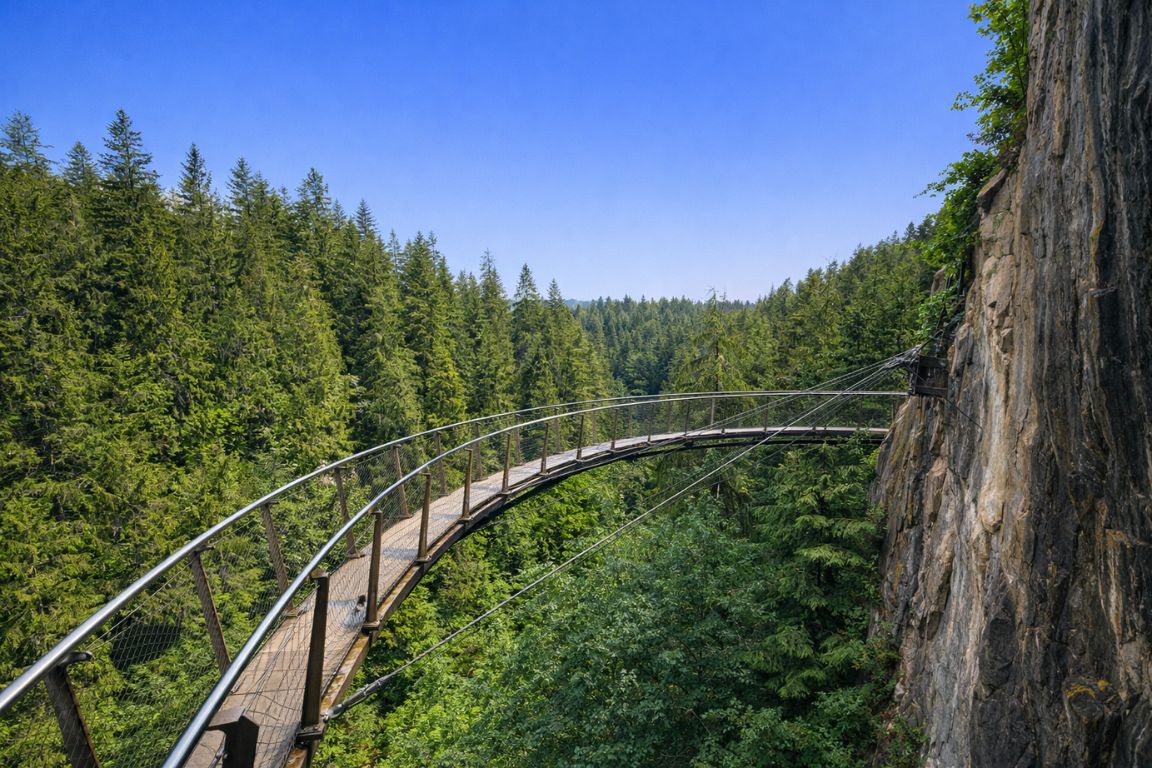 The big paid attractions in Vancouver run CAD $45-85 per person for standalone tickets. Capilano Suspension Bridge Park is around CAD $73-75/adult. Grouse Mountain admission runs CAD $65-75/adult. Vancouver Aquarium is typically CAD $40-55/adult. Stanley Park itself is free – only the Aquarium inside it costs money.
This is where itinerary planning actually matters for your budget. If you try to hit Capilano, Grouse Mountain, the Aquarium, and a whale watching tour all in one trip, you’re looking at CAD $300-400 per person in admissions alone. That’s before food or accommodation. Choosing one or two paid attractions and surrounding them with free Vancouver experiences is what the locals do. A concrete starting point is the harbour sightseeing cruise, then Stanley Park on foot.
The genuinely free things in Vancouver are genuinely good. Stanley Park Seawall (10 km bike loop, CAD $10-15 for a rental bike). English Bay and Sunset Beach. The whole Gastown neighbourhood. False Creek ferry ride (small fee – CAD $4-5 per crossing). Lynn Canyon Suspension Bridge in North Vancouver – free, and the bridge and canyon are legitimately beautiful. The Vancouver Art Gallery charges regular admission, but Tuesday evenings run discounted rates. Museum of Vancouver has a pay-what-you-can first Sunday of the month.
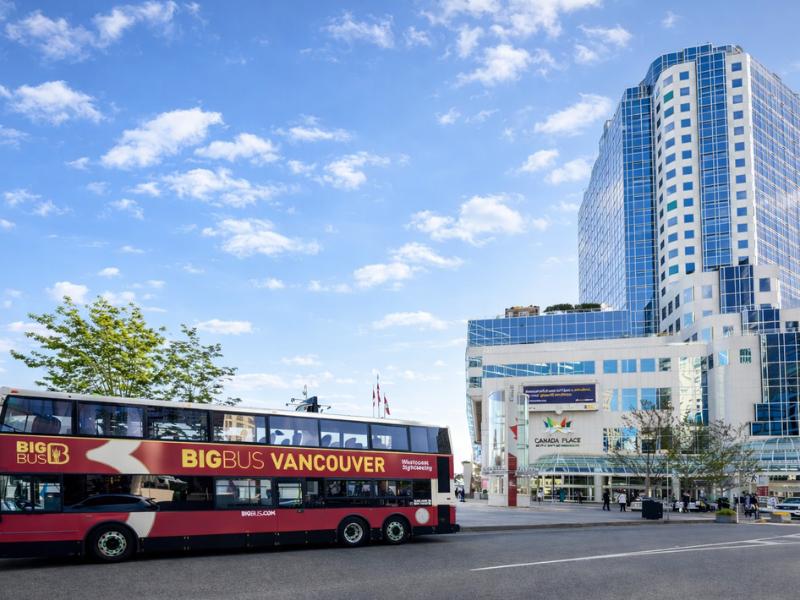
We’ve done the legwork comparing the best Vancouver city tours so you don’t waste money on generic hop-on-hop-off buses when better options exist.
Major Vancouver Attractions: Ticket Prices (March 2026)
| Capilano Suspension Bridge Park | ~$73-75 | ~$25-32 | Free shuttle from downtown Canada Place |
| Grouse Mountain (Skyride + access) | ~$65-75 | ~$30-40 | Canadian resident discount available |
| Vancouver Aquarium | ~$40-55 | ~$25-35 | Prices vary by day; book online to save |
| Whale watching tour | $110-160 | $80-110 | April-October; 95%+ sighting rate |
| Vancouver Lookout (Harbour Centre) | ~$22-25 | ~$12-18 | Ticket valid all day; great views |
| FlyOver Canada | ~$32-38 | ~$22-28 | 15-min immersive flight simulation |
| Stanley Park (park itself) | Free | Free | Parking: CAD $4.25/hr or $15.50 daily max |
| Lynn Canyon Suspension Bridge | Free | Free | Ecology Centre: small suggested donation |
| Granville Island (market) | Free entry | Free entry | Budget CAD $20-40 for food/market purchases |
Prices verified March 2026. Book online in advance for most paid attractions – peak season sells out weeks ahead.
Recommended tours by season
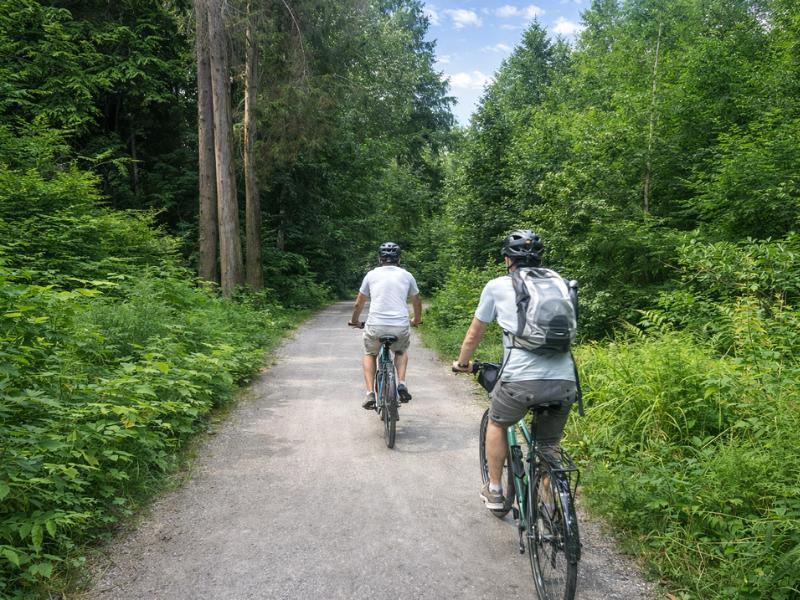
Best Vancouver Bike Tour – Guided Ride with Local Expert
A five-hour guided ride for dry-weather months, when cycling is the cheaper way to cover a lot of the city in one block.
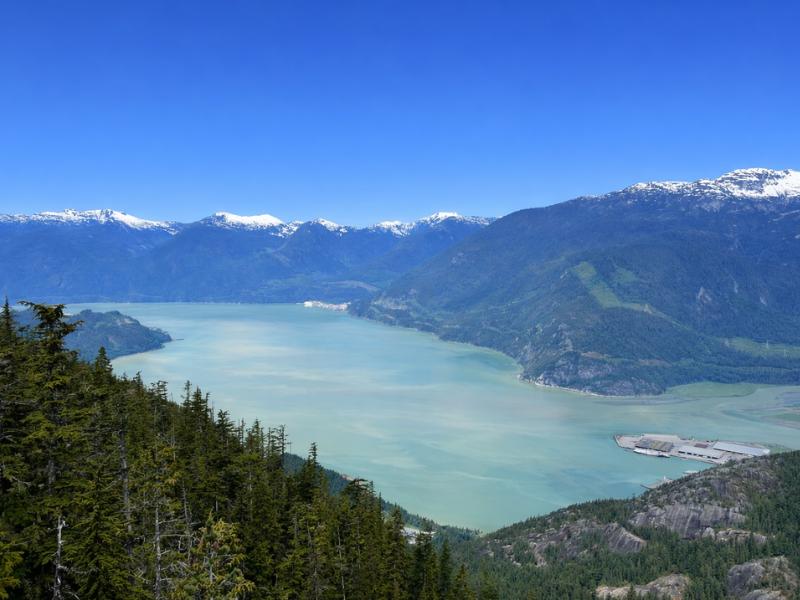
Vancouver to Whistler: Sea to Sky Gondola Tour with Shannon Falls Stop
A ten-hour day along the Sea to Sky with a gondola ride and a Shannon Falls stop. Useful in fall when you want the mountains without renting a car.
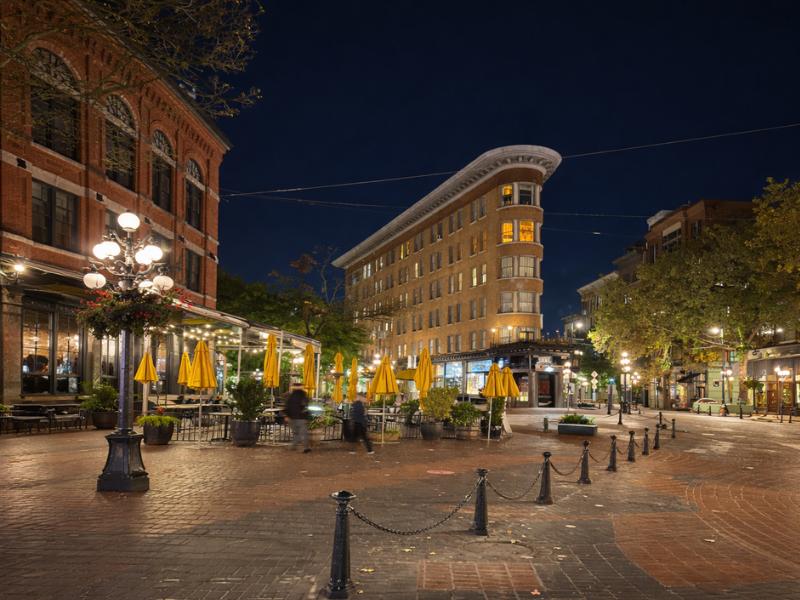
Gastown Lost Souls Walking Tour – Vancouver’s Dark History
A one-hour Gastown walk that holds up on a rainy winter evening and stays well inside a low-season daily budget.
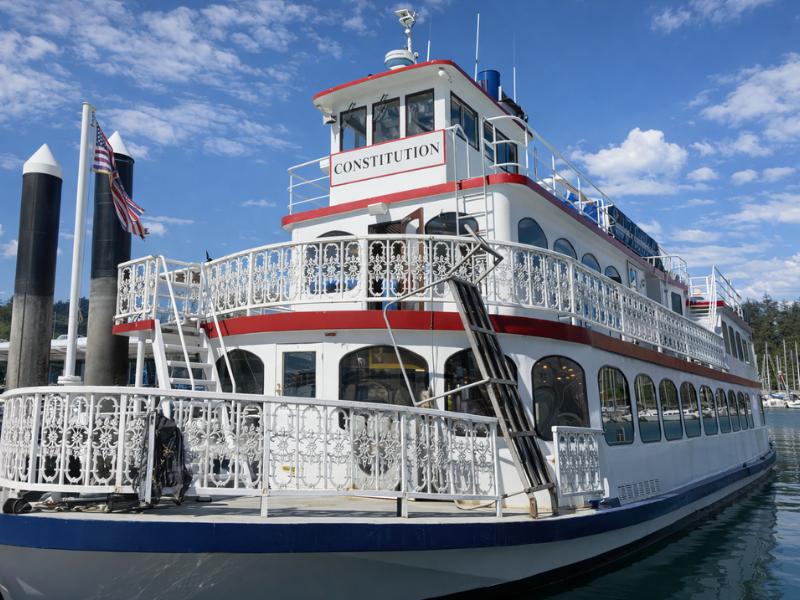
Vancouver Harbor Sightseeing Cruise – Scenic Waterfront Tour
A one-hour harbour cruise if you want one priced waterfront hour and then the rest of the day on transit and free waterfront paths.
How Much Should You Budget for Getting Around Vancouver?
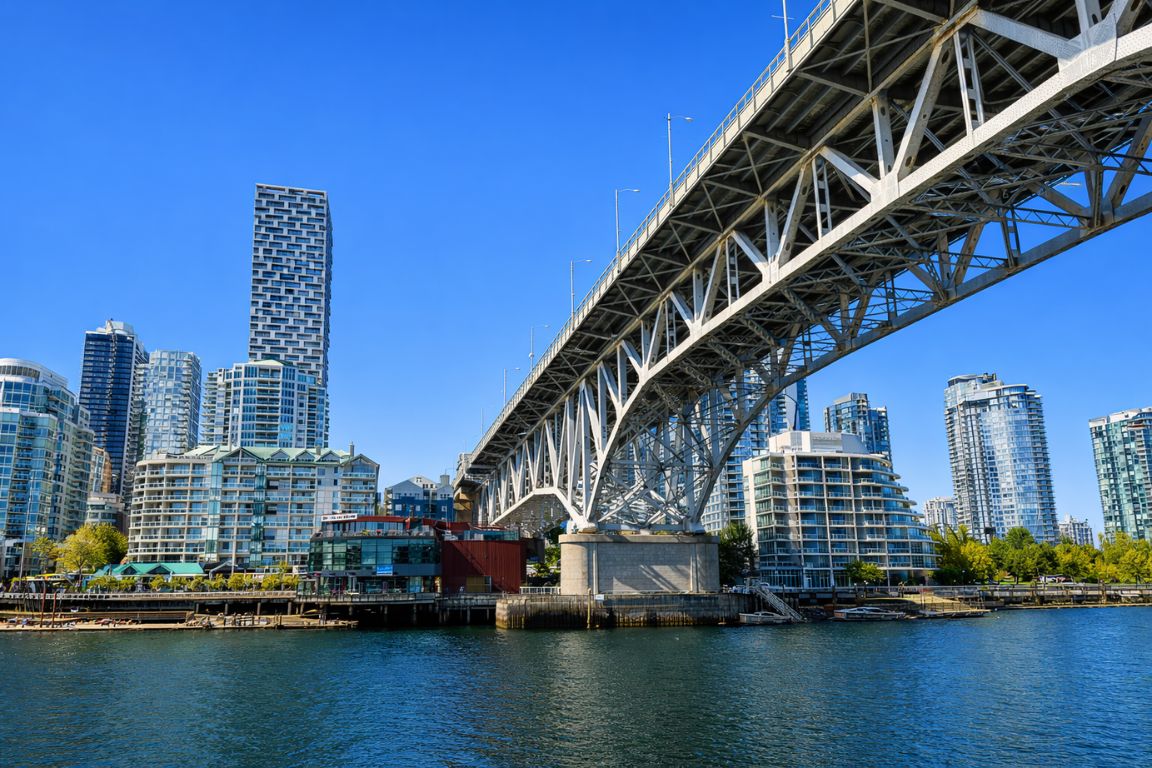 A TransLink DayPass costs CAD $11.95 and covers all buses, SkyTrain, and SeaBus for the day – it’s the best deal in the city if you’re making more than three trips. The airport Canada Line from YVR to downtown takes about 25 minutes and costs CAD $8.85 on a Compass Card (includes the YVR AddFare). You do not need a car in Vancouver. Renting one is an active liability unless you’re doing day trips to Whistler or the Sunshine Coast.
The car question comes up constantly. Downtown Vancouver has some of the most expensive parking in Canada. Many hotels charge CAD $40-60/night just for overnight parking. Gasoline is consistently among the highest in Canada – around CAD $1.80-2.00/litre in 2025. Add ICBC insurance rates and you’re looking at a transport cost structure that punishes car ownership hard. Transit handles 95% of what tourists need.
The Compass Card system is clean and straightforward. Load stored value for the most flexibility, or buy a DayPass if you’re making multiple trips. Single fares run CAD $3.15-5.90 depending on zones – day passes pay for themselves after four single-zone rides. The SeaBus to North Vancouver costs the same as any bus fare and takes 12 minutes each way. It’s a legitimate sightseeing experience that happens to also be public transit.
Uber and Lyft operate normally in Vancouver. A typical downtown-to-North Shore Uber runs CAD $20-35 depending on time of day. Worth it occasionally, not as a daily strategy. The False Creek ferries (Aquabus or False Creek Ferries) run CAD $4-5 per crossing and connect downtown to Granville Island and the East Side – slow, scenic, and genuinely useful.
Need ideas for getting out of the city? Our guide to the best day trips from Vancouver Canada tours covers mountains, islands, and coastal drives all within reach.
Getting Around Vancouver: Cost Comparison
| TransLink DayPass | CAD $11.95 | Full day exploring across the city |
| Compass Card (stored value, per ride) | CAD $3.15-5.90 | 1-3 trips per day |
| YVR airport to downtown (Canada Line) | CAD $8.85 | Airport arrival/departure |
| Taxi/Uber airport to downtown | CAD $35-50 | Heavy luggage, late night |
| False Creek ferries | CAD $4-5/crossing | Downtown <> Granville Island |
| Mobi bike share (24hr pass) | CAD $9.75 | Stanley Park Seawall loop, city riding |
| Car rental (per day, inc. insurance) | CAD $80-140+ | Whistler day trip, Sunshine Coast |
| Downtown parking | CAD $4-6/hr or $30-45/day | Avoid if possible |
Transit fares verified March 2026. TransLink fare increase effective July 1, 2025 is already reflected above.
What Are the Best Ways to Save Money in Vancouver?
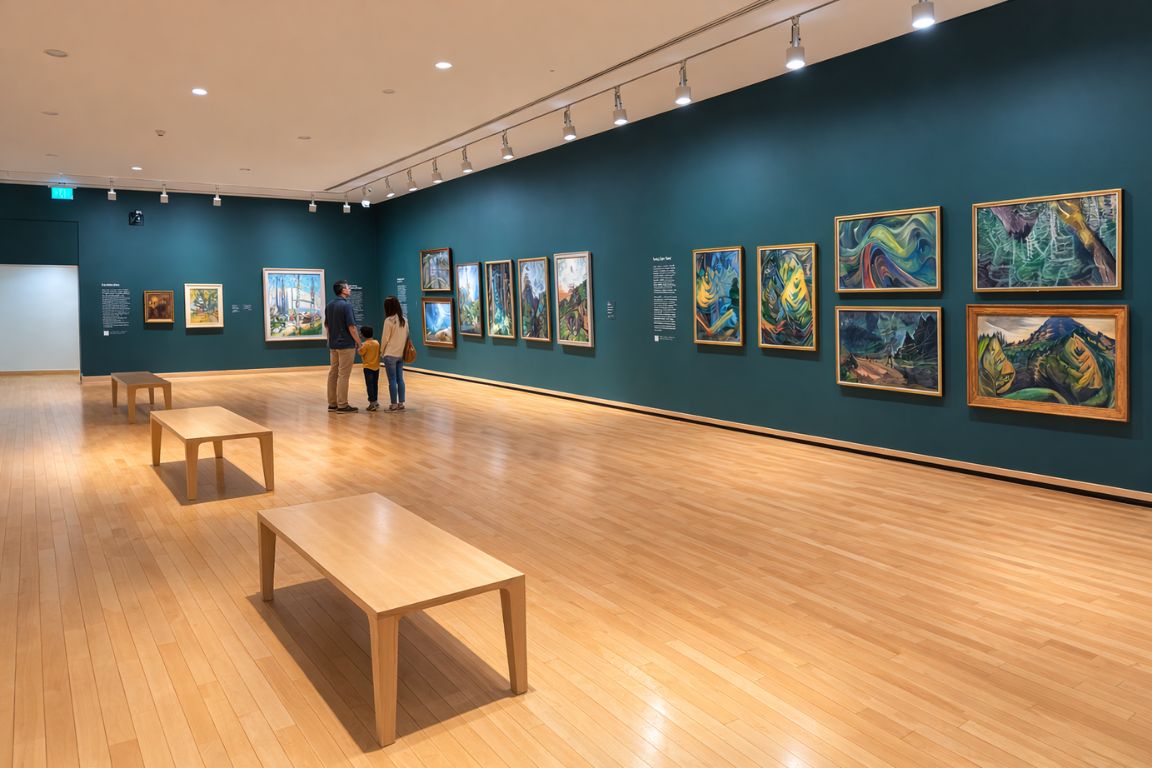 The highest-impact moves: book accommodation 6-8 weeks out (saves 20-25%), stay in the West End or North Vancouver instead of the downtown business core, eat lunch at restaurants you’d normally only visit for dinner, use transit exclusively and skip the rental car, and lean into Vancouver’s legitimately excellent free outdoor experiences. The Seawall, Stanley Park, English Bay, and Lynn Canyon are all free and all genuinely world-class.
A few less obvious ones that our travelers have found useful over the years:
Richmond for food. The suburb 20 minutes south of downtown on the Canada Line has some of the best Chinese, Japanese, and Vietnamese food in North America – and prices are consistently 30-40% lower than comparable restaurants downtown. Night Hawker Food Court at Richmond Night Market (summer) and Alexandra Road are worth the transit fare several times over.
The Vancouver Aquarium prices vary by day. Book online rather than at the gate, and check weekday vs. weekend rates – there’s sometimes a meaningful gap. Same principle applies to Grouse Mountain, which offers Canadian resident pricing if that applies to you.
Happy hour in Vancouver is real and worth using. Many Yaletown and Gastown restaurants run 3-6pm specials that bring small plates and drinks to genuinely reasonable prices. If you’re flexible about when you eat your largest meal, this changes the food budget materially.
The Vancouver Art Gallery offers a reduced rate on Tuesday evenings. The Museum of Vancouver runs pay-what-you-can on the first Sunday of each month. Neither of these is a budget hack – they’re legitimate programs the institutions run for local access, and visitors are welcome to use them.
Trying to figure out how to build a real Vancouver itinerary without overspending? Check dates for the guided Vancouver bike tour if you want one structured block instead of piecing together rentals and routes.
What Does a Day in Vancouver Cost at Different Budget Levels?
A budget day (hostel, transit, groceries plus one cheap meal out, free activities) runs roughly CAD $85-110. A mid-range day (mid-range hotel share, mix of eating out and casual meals, one paid activity) runs CAD $200-270 per person. A splurge day (downtown hotel, meals at good restaurants, two major attractions) realistically runs CAD $450-600+ per person including accommodation.
Here’s what these days actually look like in practice:
Budget day (CAD ~$95-105): Hostel dorm CAD $45, transit DayPass CAD $12, groceries and one ramen lunch CAD $28, Stanley Park Seawall bike rental CAD $15, coffee CAD $6. Seawall is extraordinary. This is not a bad day. This is a genuinely excellent day in one of the world’s most beautiful cities.
Mid-range day (CAD ~$220-260 per person): Hotel share (CAD $100 per person in a double), transit or occasional Uber (CAD $20), breakfast at a local cafe (CAD $18), casual lunch at Granville Island (CAD $22), dinner at a Gastown restaurant (CAD $55), Capilano Suspension Bridge ticket (CAD $74). That’s a full day – one major paid attraction, great food, and the city.
Splurge day (CAD ~$500+): Four-star hotel (CAD $200+ per person share), private guide tour (CAD $150+), whale watching (CAD $135), dinner at a proper Vancouver restaurant (CAD $120+ with wine), rideshares throughout (CAD $40+). This is what spending freely looks like here. Not outrageous, just Vancouver at full price.
How Our Travelers Actually Spent Their Budget in Vancouver
Based on post-trip feedback from our 2024-2025 traveler groups, here’s how actual trip spending broke down across our clients.
| Budget / backpacker | 25-40% | $85-115 | Solo travelers, hostel stays, heavy transit use |
| Mid-range | 45-60% | $200-270 | Couples, 3-star hotels, mix of free and paid activities |
| Comfortable | 15-25% | $350-500 | 4-star hotels, guided tours, most major attractions |
| Luxury | 5-15% | $600-900+ | 5-star properties, private experiences, fine dining |
| Most common “surprise” overspend | Hotel taxes (20%+), Stanley Park parking, food at tourist-zone restaurants |
What Hidden Costs Do Most Vancouver Visitors Miss?
 The four costs that reliably catch visitors off guard: hotel taxes (20%+ on top of any listed rate), Stanley Park car parking (CAD $4.25/hr or CAD $15.50/day, paid stations throughout the park), restaurant gratuity that’s already added to the bill before you tip, and attraction ticket prices that look lower online than they are at the gate. Booking online is almost always cheaper for paid attractions.
The hotel tax situation deserves a plain explanation. When you search for a hotel at CAD $300/night, that’s the pre-tax rate. By the time GST (5%), PST (8%), MRDT (3%), Major Events MRDT (2.5%), and the Destination Marketing Fee (about 1.25%) are added, you’re paying around CAD $360. On a five-night trip, that’s an extra CAD $300 that many travelers don’t budget for because it only shows up in the final booking step. Always click through to the confirmed total before you set your accommodation budget.
Stanley Park parking catches drivers who don’t read the signs. The park looks like it should have free parking. It does not. The lots run CAD $4.25/hour in high season (April-September) to a daily maximum of CAD $15.50. Payment is by credit card or mobile app only – no coins, no debit. There’s also a tendency to underestimate how long you’ll stay. Two hours in the park turns into four hours, and the parking meter doesn’t wait for you.
The automatic gratuity addition is becoming more common. Restaurants that used to leave tipping to the customer are now adding 18-20% service charges automatically, particularly in tourist corridors. This isn’t wrong – service staff deserve it – but it means your CAD $40 dinner bill becomes CAD $47-48 before you’ve made any decision. Know before you sit down.
One more: the YVR AddFare. Getting to Vancouver International Airport on the Canada Line costs more than getting away from it. The AddFare of CAD $5 applies to trips starting or ending at YVR, on top of the regular zone fare. So a trip from downtown to the airport costs CAD $8.85 on Compass Card stored value (the regular fare plus the airport surcharge). Budget this in both directions if you’re transit-dependent.
And the one nobody talks about: parking near popular trailheads outside the city. If you rent a car for a day trip to the Capilano area or deep into North Vancouver, paid parking applies at most trailheads too. It’s not expensive – usually CAD $3-5 for a few hours – but it adds up across a multi-day rental.
Frequently Asked Questions
Is Vancouver very expensive for tourists?
Yes, Vancouver is one of the most expensive cities in Canada, particularly for accommodation. Downtown hotel rates average CAD $200-350/night in shoulder season and CAD $350-500+ in peak summer, before taxes. That said, the city’s free outdoor activities (Stanley Park, English Bay, the Seawall, Lynn Canyon) are excellent, which helps budget travelers significantly. A realistic budget trip runs CAD $90-120/day; mid-range trips run CAD $200-280/day per person.
How much does a meal cost in Vancouver?
A casual restaurant meal in Vancouver runs CAD $18-30 per person. Mid-range dining runs CAD $40-70 per person with drinks. Fine dining starts around CAD $100+ per person. Food trucks and casual market food run CAD $12-18 per meal. Eating near Robson Street or the Gastown waterfront adds a significant premium – similar quality is cheaper two or three blocks away.
What is the cheapest month to visit Vancouver?
December and January offer the lowest hotel rates in Vancouver, with downtown averages dropping to CAD $180-220/night at mid-range properties. February through March is also meaningfully cheaper than summer. The trade-off is weather – winter is mild by Canadian standards but rainy. For value combined with good weather, late September through October is the best balance: cooler temperatures, lower hotel prices, fewer crowds, and clear fall days.
Do I need a car in Vancouver?
No. Vancouver’s TransLink system covers the airport, downtown, North Vancouver (via SeaBus), and most tourist attractions efficiently. A DayPass at CAD $11.95 unlocks the whole system. Renting a car adds cost and complexity – downtown parking runs CAD $30-45/day, gas is among Canada’s most expensive, and traffic on key bridges creates regular delays. The only reason to rent a car is for day trips: Whistler, Squamish, or the Sunshine Coast ferry connection.
How much should I budget for a 5-day trip to Vancouver?
A solo budget traveler should budget approximately CAD $600-700 for five days (excluding flights). A couple at mid-range should budget CAD $2,500-3,500 for five days including accommodation, food, transport, and two or three major attractions. A comfortable solo trip runs roughly CAD $1,500-2,000. All figures exclude flights. Hotel taxes add approximately 20% on top of any listed accommodation rate.
Is Capilano Suspension Bridge worth the price?
At CAD $73-75 for adults, Capilano Suspension Bridge Park is one of Vancouver’s most expensive single-day admissions. Most visitors feel it’s worth it – the park includes the bridge, Treetops Adventure (suspended walkways through old-growth Douglas firs), and the Cliffwalk, making it a 2-3 hour experience. A free shuttle runs daily from Canada Place in downtown Vancouver. The alternative is Lynn Canyon Suspension Bridge in North Vancouver, which is free and genuinely beautiful, though smaller in scale.
Questions about building a real Vancouver itinerary within a real budget? We've been guiding travelers through this city since 2010 — we know what things actually cost, where the money goes further, and what's genuinely worth paying for. If you want one paid half-day on the water, check whale watching dates before you lock the rest of the trip.
Written by Ethan James Carter
Canadian tour guide since 2010 · Founder, Vancouver Canada Tours
Ethan has guided over 11,400 travelers through Vancouver, the North Shore mountains, and British Columbia’s coast since founding the agency.
Choose the experience that fits your trip
Our starting recommendation; confirm your party’s needs and travel date.
Compare alternatives and adjust the recommendation
| Experience | Why pay for it | Time and practical limits |
|---|---|---|
| Gastown Lost Souls Walk | Story-led walk through Gastown with an English-speaking guide. | 115 min planning window Recommended for ages 14+; ages 10+ with parental discretion. Adult themes and walking. |
| Capilano Suspension Bridge Park Ticket | Suspension Bridge, Treetops Adventure and Cliffwalk admission. | 180 min planning window Food and paid parking extra; walking and heights involved. |
| Vancouver City Highlights Tour | Guided city tour including Stanley Park and Granville Island. | 210 min planning window 3.5 hours; meals and attraction purchases extra. |
| Private Vancouver City Tour | Private driver-guide with flexible stops, including Stanley Park and Granville Island. | 240 min planning window Four hours; listing confirms accessible vehicles and surfaces. Confirm your device and boarding arrangements. |
Compare your own quotes in CAD
Use totals for the same people, date and inclusions. Add transport, tickets and taxes to the independent plan.
Check your date before arranging the rest of your day
Gastown Lost Souls Walk
Story-led walk through Gastown with an English-speaking guide.
Gastown meeting point; confirm exact start and finish on the booking. Recommended for ages 14+; ages 10+ with parental discretion. Adult themes and walking.
Choose a date to see scheduled departures. Availability and final price are confirmed on Viator.
Your date is a planning check; select it again on Viator to confirm your booking.