Best Day trips from Vancouver
Best Vancouver day trips? Whistler, Squamish, Bowen Island, Victoria, and Steveston top the list - here’s how to choose based on time and transport.
For a paid experience alongside this plan, Whistler And Sea to Sky Day Trip adds a sea to sky day without driving.
Last updated: March 11, 2026
Quick Facts: Day Trips from Vancouver
| Whistler | 120 km | 1.5-2 hrs | No (shuttles available) | Year-round |
| Squamish | 70 km | 1-1.5 hrs | No (shuttle available) | Spring-Fall |
| Victoria | ~110 km (via ferry) | 3.5-4 hrs (ferry); 35 min (seaplane) | No (ferry/seaplane) | Year-round |
| Bowen Island | ~20 km | 45 min (transit + 20 min ferry) | No | Spring-Fall |
| Steveston | ~20 km | 40 min (SkyTrain) | No | Year-round |
| Harrison Hot Springs | ~130 km | 1.5 hrs | Yes | Spring–Fall |
| Fort Langley | ~50 km | 50 min | Recommended | Year-round |
Prices verified March 2025. Travel times assume clear roads and do not include peak-hour traffic.
What Are the Best Day Trips from Vancouver for First-Time Visitors?
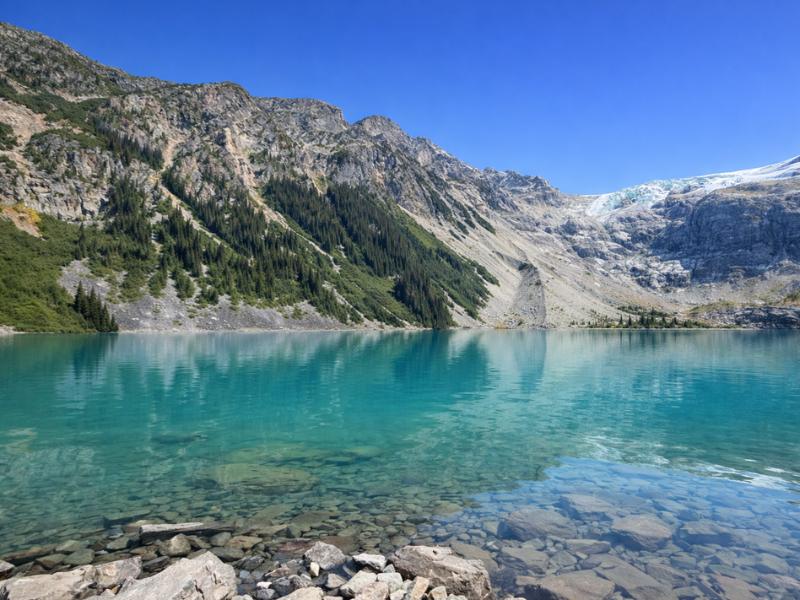
For a first-time visitor, Whistler and Squamish along the Sea to Sky Highway give you the most of what makes British Columbia worth the flight. If you want a contrast to the city rather than more mountain scenery, Victoria by seaplane is the other top pick. Bowen Island works when you want something slower, island-paced, and completely car-free in under an hour from downtown.
The geography around Vancouver stacks options in a way that’s almost unfair. You have ocean fjords, old-growth forest, a ski resort village, a colonial-era capital city, and a working fishing village, and every single one of them is within a day’s reach. The trap most visitors fall into is trying to combine two big trips in one day, or misjudging how long getting anywhere actually takes once you factor in transit to ferry terminals, lineups, and the ferry ride itself.
We’ve guided 11,400 travelers through this region, and the clearest pattern we see is this: visitors who come with one solid destination per day leave happy. The ones who try to do Whistler in the morning and Victoria in the evening don’t make it, and they spend the next day recovering.
For pure first-timer value, the Sea to Sky corridor wins. Whistler is the anchor, but the highway between Vancouver and Whistler is the experience. Shannon Falls, the Sea to Sky Gondola near Squamish, and the views of Howe Sound are stops in their own right, not just filler on the way to the village.
If you’d rather hand the logistics off, the Sea to Sky gondola tour handles transport, timing, and the Shannon Falls and gondola stops that most people drive past without realizing what they missed.
Not sure where to start? I’ve put together a complete guide on how to plan a trip to Vancouver Canada tours so you understand neighborhoods, transportation, and what to prioritize.
How Far Can You Realistically Go on a Day Trip from Vancouver?
 A realistic day trip radius from downtown Vancouver covers destinations up to about 130 km away, which includes Whistler to the north, Harrison Hot Springs to the east, and Victoria via ferry to the south. Beyond that range, you’re spending the bulk of your day in transit rather than at the destination.
The Pacific Northwest deceives people with maps. A city like Victoria looks close, almost touchably close, when you see it across the Strait of Georgia. Then you do the actual math: 45 minutes to get from downtown to Tsawwassen terminal, a 1-hour 35-minute ferry crossing through Active Pass, and another 45 minutes from Swartz Bay into Victoria’s Inner Harbour. That’s well over three hours each way, and you haven’t bought lunch yet.
What actually shapes your day isn’t the distance, it’s the chokepoints. Ferry lineups on summer weekends, construction on Highway 99, the border crossing if you’re considering Seattle. Most of the pain is predictable if you know where to look. Booking ferries in advance, leaving before 8am, and avoiding Saturday afternoon return trips are the three changes that separate a good day from a frustrating one.
Within the realistic range, there’s no shortage. Squamish sits about an hour north and punches well above its weight as a standalone destination, not just a stop on the way to Whistler. Bowen Island is a 20-minute ferry from Horseshoe Bay. Steveston, the old fishing village in Richmond, is 40 minutes by SkyTrain. You don’t have to go far to leave the city behind.
Is Whistler Worth It as a Day Trip or Should You Stay Overnight?
 Whistler is worth a day trip, but just barely. The drive is spectacular, the village delivers, and the Peak 2 Peak Gondola is something you don’t forget. What gets lost on a single-day visit is time: after two hours each way, you have roughly five hours in Whistler before you need to head back. That’s enough for the gondola and the village. It’s not enough for the hiking trails, the afternoon on a patio, or the feeling that you actually got there.
The Sea to Sky Highway is genuinely one of the most scenic drives in British Columbia. You’re following Howe Sound up a narrow coastal corridor, with ocean on one side and the Coast Mountains rising directly to the right. The view changes every few minutes. Most people who’ve driven it say the highway itself is half the reason Whistler feels earned when you finally arrive.
Shannon Falls is worth the stop. It’s a short walk from the parking lot, and you hear the water long before you see it. The falls drop 335 metres over a series of rock faces, and the whole thing takes maybe 25 minutes to see properly. Skipping it to save time is one of the consistent regrets we hear from people who rushed straight to the village. The Sea to Sky Gondola near Squamish is a fuller stop, about 90 minutes if you want to cross the suspension bridge and walk one of the ridge trails.
For a car-free Whistler day, the Skylynx and Epic Rides shuttles run from downtown Vancouver to Whistler, with one-way fares around $33-47 CAD. The tradeoff is a fixed schedule, which means your day is more rigid. Guided tours solve this by building stops into the itinerary so you’re not choosing between Shannon Falls and the gondola on the fly.
| Drive yourself | $25-40 CAD gas | 4-6 hours | Maximum flexibility |
| Skylynx / Epic Rides shuttle | $33-47 CAD | 3-4 hours | Car-free travelers |
| Guided day tour (incl. Sea to Sky Gondola) | From $230 CAD/person | 3 hours village + gondola stops | No-planning approach |
| Overnight stay | $150-350+ CAD/night | Full day + evening | Anyone with more than one day |
Prices verified March 2025.
Questions before you book a Whistler day? Dates and inclusions are on the Sea to Sky gondola tour page.
What’s the Best Way to Do a Victoria Day Trip from Vancouver?
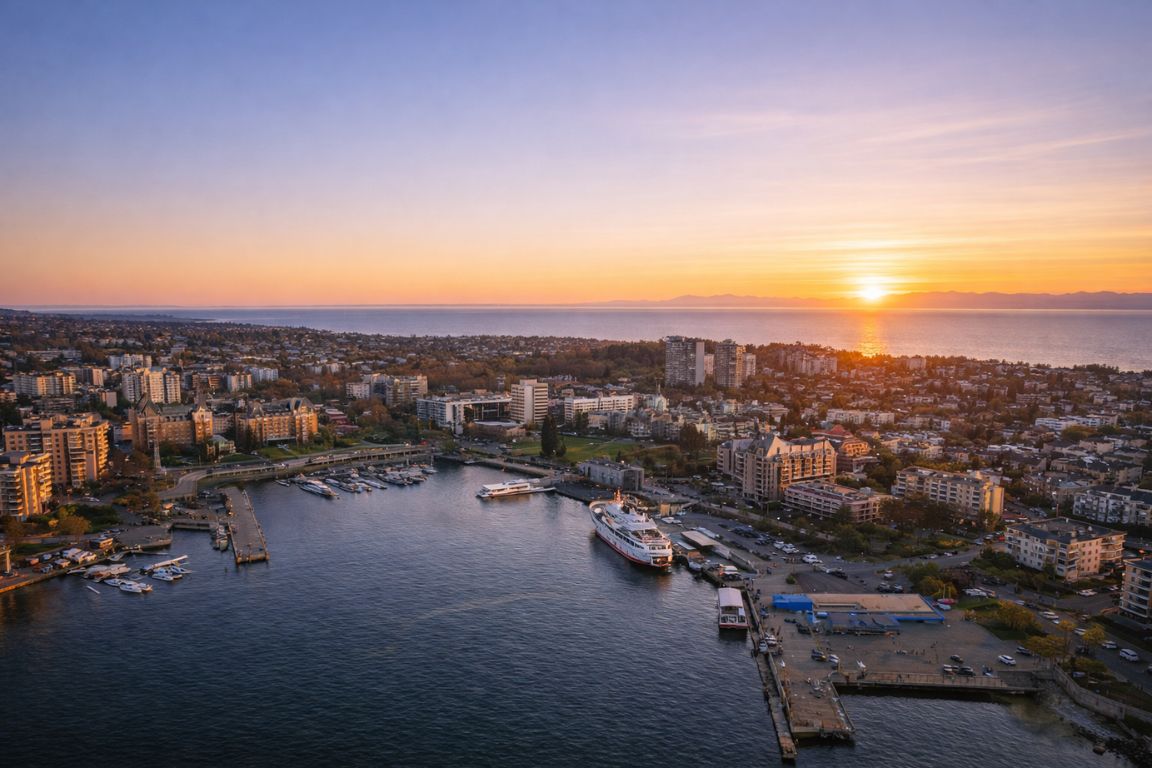 The seaplane is the best way. Harbour Air flies downtown Vancouver to downtown Victoria in 35 minutes, and you skip every ferry lineup, bus transfer, and terminal wait in both directions. It costs more than the ferry, but for a single day trip you’re buying time you can’t recover any other way. If budget matters more than time, the BC Ferries Connector bus-and-ferry package from Pacific Central Station handles everything in one ticket for around $99 CAD return as a foot passenger.
Victoria confuses first-time visitors because it looks so close on the map. The actual journey is a study in patience. From downtown Vancouver, you need 45 minutes to reach Tsawwassen terminal, another 30-45 minutes to clear check-in and boarding, and then 1 hour 35 minutes for the crossing. Swartz Bay to downtown Victoria is another 45 minutes by bus. So even if everything runs perfectly, you’re looking at nearly 3.5 hours before you’re standing in the Inner Harbour.
Do that math in reverse and suddenly the seaplane makes a different kind of sense. You leave the Vancouver Harbour Water Airport and land in the Inner Harbour. The city is right there. And you get to fly low over the Gulf Islands and see the Strait of Georgia the way the ferry passengers below you only wish they could.
Foot passenger fares on BC Ferries for the Tsawwassen-Swartz Bay route start at $18 CAD one way as a walk-on. A standard vehicle adds roughly $62 CAD. Saver fares, available on off-peak sailings when booked in advance, bring the vehicle fare down to the $49-89 CAD range. The BC Ferries Connector all-in-one bus ticket from Pacific Central Station costs around $99 CAD return and handles the whole journey without requiring you to figure out bus connections independently.
One thing most itineraries don’t account for: Victoria itself is a good 40-minute walk from the Swartz Bay terminal, and the transit connection isn’t always timed to ferry arrivals. Give yourself the full day, and if you’re going in summer, book your return ferry well in advance. We’ve seen travelers miss sailings because they underestimated how full the weekend boats get.
Curious about making it to Victoria and back? Our guide on the Victoria day trip from Vancouver walks you through BC Ferries, what you can fit in, and whether it’s worth the early morning start.
Can You Do Squamish and the Sea to Sky Corridor in One Day?
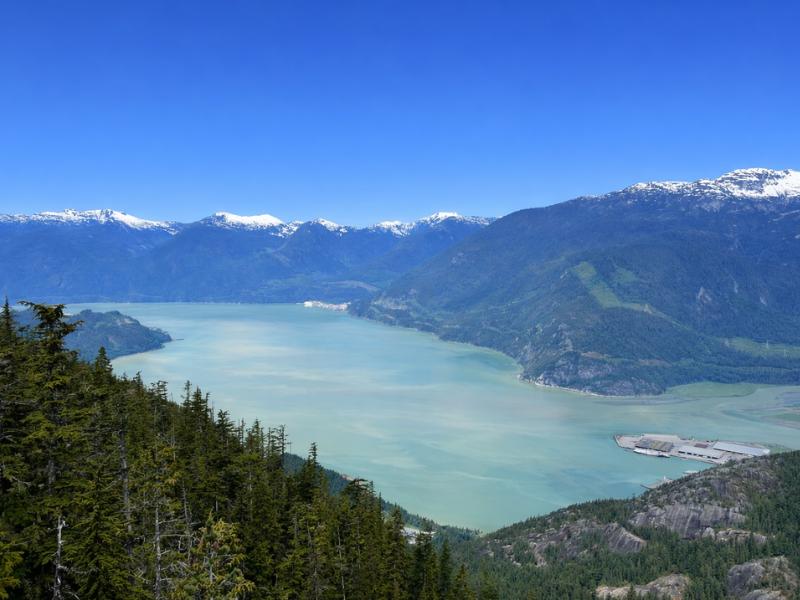
Squamish makes an excellent standalone day trip from Vancouver. The Stawamus Chief is one of the most recognizable rock faces in Canada, the Sea to Sky Gondola lifts you above Howe Sound with views that genuinely stop people mid-sentence, and Shannon Falls is close enough that you can see both on the same morning. An hour from downtown, no ferry required, and doable without a car via shuttle.
Most travelers treat Squamish as the midway stop on the way to Whistler. That’s underselling it. The town has become a serious outdoor destination on its own, and on a clear summer day, the view from the top of the Chief is the kind of thing that makes you realize you’ve been looking at mountains from sea level your whole life.
The Stawamus Chief is not a casual hike. Three peaks, significant elevation gain, ropes and chains on the steep sections near the top. Anyone who tells you it’s “just a bit of a climb” is either very fit or has never done it. Start early, bring more water than you think you need, and be honest with yourself about the group’s fitness level before you commit. Peak 2 is a reasonable middle ground if Peak 1’s exposure feels like too much.
Shannon Falls Provincial Park is the easier win. The falls are visible from the parking lot, and the short walk to the base takes about 10 minutes. They’re BC’s third-highest waterfall at 335 metres. Even five minutes standing next to them changes your frame of reference for what water moving at that volume actually sounds like.
The Sea to Sky Gondola sits just south of Squamish town centre and is the best single option for people who want the views without the elevation commitment. A suspension bridge at the summit, hiking trails at the top, and a clear-day panorama over Howe Sound that holds up well against anything Whistler charges considerably more for.
Wondering how to structure a short visit? Our 3-Day itinerary in Vancouver Canada tours walks you through neighborhoods, day trips, and must-sees with reasonable timing.
Recommended tours by season
Joffre Lakes Hike and Whistler Day Tour from Vancouver
Summer: 8 km hike past three lakes, plus a Whistler village stop. About 11 hours from Vancouver.
Vancouver to Whistler: Sea to Sky Gondola Tour with Shannon Falls Stop
Fall and shoulder season: Shannon Falls, the Sea to Sky Gondola, and Whistler on one clock. About 10 hours.
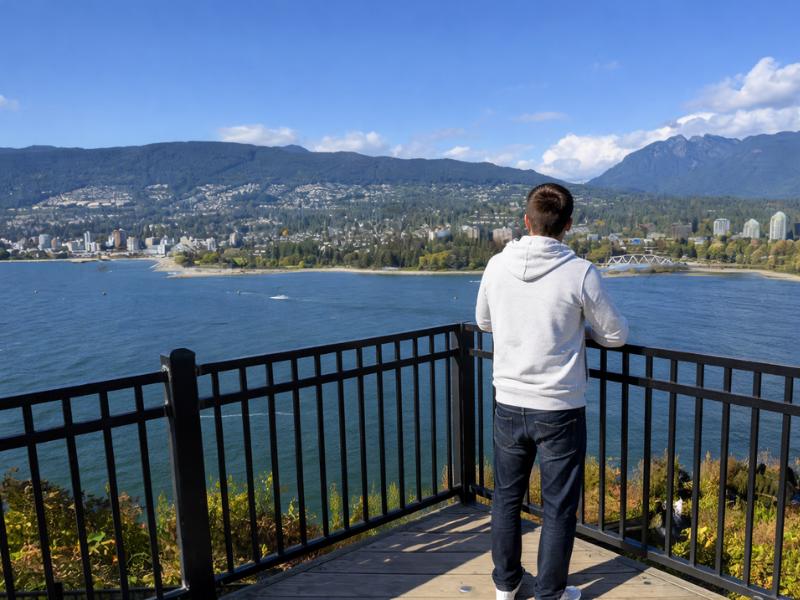
Capilano, Grouse Mtn, Dam, Lake & Salmon Hatchery 5-in-1 Small Group Adventure
Winter and year-round: North Shore loop with Capilano, Grouse Mountain, a dam, a lake, and the hatchery. About 6 hours.
Vancouver to Victoria Cruise with Gulf Islands & Butchart Gardens
Year-round: boat to Victoria through the Gulf Islands, with a Butchart Gardens stop. About 13 hours.
What Are the Best Day Trips from Vancouver Without a Car?
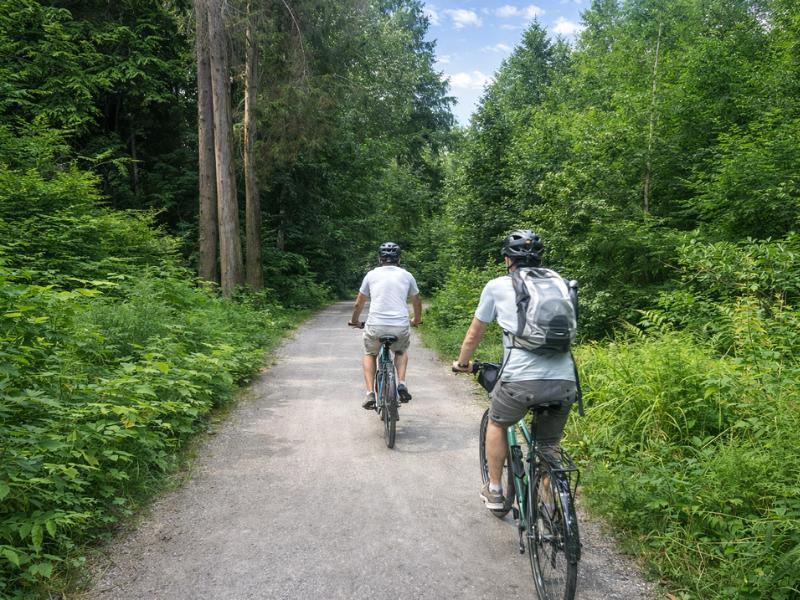
Bowen Island, Steveston, and Squamish (via shuttle) are the three strongest car-free day trips from Vancouver. Bowen Island takes 20 minutes by ferry from Horseshoe Bay, reachable by public bus from downtown. Steveston is 40 minutes on the SkyTrain Canada Line. Squamish requires a paid shuttle but gets you to the gondola and waterfall country without the drive. Victoria is also doable car-free, but expect a full day in transit to get there and back.
Vancouver’s public transit connects to more day trip options than most visitors realize. The SeaBus to North Vancouver takes 15 minutes from Waterfront Station, and from Lonsdale Quay, you can reach Capilano Suspension Bridge on bus #236 without a car. Deep Cove, one of the nicest pockets on the North Shore, is accessible by bus, though the connection requires a little planning.
Bowen Island is the one that surprises people. Most don’t know it exists until a local mentions it. You take bus #250 from downtown to Horseshoe Bay, then a 20-minute BC Ferries crossing, and you’re on an island that feels genuinely removed from the city even though it’s only about 25 km away. Restaurants, a walkable village, kayak rentals, and hiking up to Mount Gardner if you want the exercise. It’s a half-day destination rather than a full one, which makes it useful when you want to leave the afternoon open.
Steveston is the underrated option. The fishing village at the edge of Richmond is 40 minutes on the SkyTrain Canada Line, and it doesn’t feel like a suburb when you get there. The Gulf of Georgia Cannery Museum is worth an hour of your time. Pajo’s fish and chips on the dock is the kind of thing that becomes the food memory of the trip for some people.
Not planning to drive? Our guide on Vancouver Canada tours without a car shows you how to hit all the major spots using public transport and your own two feet.
| Bowen Island | Bus #250 to Horseshoe Bay + BC Ferries | ~45 min each way | ~$25-35 CAD |
| Steveston | SkyTrain Canada Line to Brighouse, then bus | ~40 min each way | ~$12 CAD (day pass) |
| Squamish (Sea to Sky Gondola) | Squamish Connector or Epic Rides shuttle | ~1 hr each way | ~$60-80 CAD return |
| Capilano / North Shore | SeaBus + bus #236 | ~30 min each way | ~$12 CAD (day pass) |
| Victoria (foot passenger) | Bus/SkyTrain to Tsawwassen + BC Ferries | ~3.5 hrs each way | ~$58 CAD (transit + ferry return) |
Prices verified March 2025. Transit costs based on TransLink day pass plus ferry fares where applicable.
When Is the Best Time of Year for Day Trips from Vancouver?
Late June through September gives you the best conditions for almost every day trip on this list. Roads are clear, trails are accessible, ferry lineups are manageable with advance booking, and the days are long enough to absorb travel time without feeling rushed. September and October are the local favourite: the summer crowds thin out, the weather stays cooperative, and the Sea to Sky corridor turns colour in ways that make the drive worth doing twice.
Winter shuts down some options and opens others. Whistler is at its best from December through March, but the Sea to Sky can close during severe storms, and road conditions require winter tires and patience. Squamish still works in winter, though the Stawamus Chief trails are slippery and some upper routes close. Bowen Island and Steveston are year-round but grey and quiet from November to March, which some people find charming and others find depressing.
Spring is the sleeper pick. Snowmelt runs Shannon Falls harder than any other time of year. The temperate rainforest on the North Shore turns vivid green. Capilano River runs loud enough that you feel it in your chest at the base of the canyon. And crowds are still manageable in April and early May before the summer buses start running daily from every hotel in the city.
The one consistent mistake we see from people who visit in July and August: not booking early enough. BC Ferries to Victoria fills up fast on summer weekends. The Sea to Sky Gondola can have waits. Peak Whistler gondola slots go. The good news is that most of these things are bookable well in advance, and doing that one step changes the experience significantly.
Planning ahead? Our guide to the best time to visit Vancouver Canada tours breaks down dry summer versus rainy winter and what you’ll actually experience each season.
What Our Clients Actually Choose: Vancouver Day Trip Data
| Whistler + Sea to Sky Highway | 41% | Summer / Winter | Iconic BC experience, gondola views |
| Squamish (Sea to Sky Gondola + Shannon Falls) | 28% | Summer / Fall | Shorter commitment, still spectacular |
| Victoria (seaplane) | 18% | Spring / Summer | Memorable transport, Inner Harbour |
| Bowen Island | 8% | Spring / Summer | Easy, car-free, genuinely relaxing |
| Steveston | 5% | Year-round | Local character, food, no logistics |
Based on our 2025 client group. From the 11,400+ travelers we’ve guided since 2010, these proportions have remained consistent over the past three years.
What Trips People Up on Vancouver Day Trips (And How to Avoid It)
The single most common failure mode is underestimating Victoria. The ferry crossing from Tsawwassen to Swartz Bay is 1 hour 35 minutes, but Tsawwassen is not downtown Vancouver. Getting there takes 45 minutes to an hour. Once you land at Swartz Bay, Victoria’s Inner Harbour is another 45 minutes by bus. Some travelers arrive at Tsawwassen with their heart set on a “quick ferry trip” and realize they’ve already used a third of their day before setting foot on the boat. If your main goal is Victoria, take the seaplane. If your main goal is the ferry experience through the Gulf Islands, go by boat and plan to spend a full day.
The second pattern is leaving too late for Whistler. The Sea to Sky is gorgeous, but it’s also a mountain highway. Traffic out of Vancouver on Saturday mornings can add 30-45 minutes before you even reach Horseshoe Bay. Leaving at 9am means arriving in Whistler around 11:30. That gives you under four hours before you need to think about the return drive in daylight. Leaving at 7:30 changes the whole day. Earlier is consistently the one thing people say they’d change on a Whistler day trip.
A third one, more specific: people who do the Stawamus Chief without knowing what they’ve signed up for. It’s steep, it requires upper body strength on the chain sections near the top, and it takes considerably longer than the trail distance suggests. More than a few of our travelers have turned back halfway and wished they’d done the Sea to Sky Gondola instead. Neither is wrong, but they’re different trips.
And one that surprises people: the Sea to Sky Highway can close. Rockslides, landslides, wildfire smoke – these are real possibilities, especially in summer. Always check Drive BC conditions before you leave. We’ve seen travelers miss flights home because the highway was shut between Squamish and Horseshoe Bay and nobody had checked beforehand.
We’ve been showing travelers the real Vancouver since 2010. Start with a Sea to Sky day or browse nature tours.
Frequently Asked Questions
Can I do Whistler as a day trip from Vancouver?
Yes, Whistler is doable as a day trip. The drive is about 90 minutes each way in good conditions, and you can reach the village by shuttle without a car. That said, five or six hours in Whistler goes faster than expected, especially if you do the gondola. Leaving early and booking the return before you go keeps the day from feeling rushed.
How long does the Victoria day trip take from Vancouver?
Realistically, plan for three to four hours of travel each way if you’re going by BC Ferries, including getting to Tsawwassen terminal and the bus connection from Swartz Bay into Victoria. The ferry crossing itself is 1 hour 35 minutes. If you go by seaplane, the flying time is 35 minutes and you leave and land in both city centres. The seaplane is far more efficient for a single day.
What’s the best day trip from Vancouver without a car?
Bowen Island and Steveston are the easiest. Bowen Island requires a bus to Horseshoe Bay and a 20-minute ferry, and delivers a genuine island experience. Steveston is 40 minutes on the SkyTrain and requires no ferry at all. For mountain scenery without a car, the Squamish Connector shuttle gets you to the Sea to Sky Gondola for a reasonable fare.
Is Victoria worth doing as a day trip from Vancouver?
Victoria is worth it, but the logistics are real. If you go by ferry, you need a full day and a realistic plan for how to use four hours there and back. Most travelers who go for just the day wish they’d stayed overnight. The city’s Inner Harbour, Butchart Gardens, and the Royal BC Museum each deserve more time than a quick pass. If a seaplane is in your budget, the calculus changes considerably.
What month is best for day trips from Vancouver?
September and October hit the sweet spot. Summer crowds are thinning, the weather is still reliable, the fall colours on the Sea to Sky are at their best, and ferry bookings are easier to get. Late June through August works well too but requires more advance planning, especially for BC Ferries to Victoria and the Whistler gondola during peak weeks.
How do I get to Squamish from Vancouver without a car?
The Squamish Connector and Epic Rides both run shuttle services between downtown Vancouver and Squamish, with stops at the Sea to Sky Gondola. The Squamish Connector departs from downtown and takes about an hour. One-way fares run around $25-35 CAD depending on the service and season.
If you want to take the guesswork out of a Whistler day, see the Sea to Sky gondola tour. For a North Shore day, the Capilano and Grouse Mountain 5-in-1 is the packaged version.
Written by Ethan James Carter
Canadian tour guide since 2010 · Founder, Vancouver Canada Tours
Ethan has guided over 11,400 travelers through Vancouver, the North Shore mountains, and British Columbia’s coast since founding the agency.
Choose the experience that fits your trip
Our starting recommendation; confirm your party’s needs and travel date.
Compare alternatives and adjust the recommendation
| Experience | Why pay for it | Time and practical limits |
|---|---|---|
| Whistler And Sea to Sky Day Trip | Shannon Falls, Sea to Sky Gondola admission and Whistler on a guided coach day. | 630 min planning window 10 hours plus check-in; moderate walking. No luggage or YVR drop-off; not a ski package. |
| Victoria And Butchart Gardens Day Trip | Coach and ferry travel with Butchart Gardens admission and free time in Victoria. | 780 min planning window Full-day commitment; meals and personal purchases extra. |
| Vancouver To Victoria Seaplane | One-way seaplane transfer from Vancouver harbour to Victoria Inner Harbour. | 80 min planning window Outbound leg only; return transport separate. Must walk aboard with minimal or no assistance. |
| Capilano Suspension Bridge Park Ticket | Suspension Bridge, Treetops Adventure and Cliffwalk admission. | 180 min planning window Food and paid parking extra; walking and heights involved. |
Compare your own quotes in CAD
Use totals for the same people, date and inclusions. Add transport, tickets and taxes to the independent plan.
Check your date before arranging the rest of your day
Whistler And Sea to Sky Day Trip
Shannon Falls, Sea to Sky Gondola admission and Whistler on a guided coach day.
Vancouver departure and return; confirm pickup 24 hours ahead. 10 hours plus check-in; moderate walking. No luggage or YVR drop-off; not a ski package.
Choose a date to see scheduled departures. Availability and final price are confirmed on Viator.
Your date is a planning check; select it again on Viator to confirm your booking.