How to Plan a Trip to Vancouver
Planning a Vancouver trip? Book hotels early, stay in the West End or Coal Harbour, skip the car, and pack layers with a waterproof jacket.
For a paid experience alongside this plan, Vancouver City Highlights Tour adds city highlights with transport.
Last updated: March 11, 2026
Vancouver Trip Planning: Quick Reference
| Best time to visit | September (best weather + fewer crowds); July-August (peak summer); April-May (spring value) |
| How many days needed | 4-5 days for the city; 6-7 days if adding day trips (Whistler, Victoria, Squamish) |
| Accommodation booking window | Summer: 3-6 months out. Shoulder season: 6-8 weeks. Winter: 2-4 weeks fine. |
| US citizen entry | Valid US passport only. No visa, no eTA required. |
| Visa-exempt country (non-US) entry by air | eTA required. CAD $7. Apply at canada.ca/eta. Usually approved in minutes. |
| Getting around | No car needed. TransLink DayPass CAD $11.95. Canada Line from YVR: 25 min, CAD $8.85. |
| Must-pack item | Waterproof jacket. Every season. No exceptions. |
| Currency | Canadian dollars (CAD). USD widely accepted but at poor exchange rates. |
| Tipping | 15-18% standard at restaurants. Check if service charge already added (increasingly common). |
Information verified March 2026. Entry requirements subject to change – always check canada.ca before travel.
How Far in Advance Should You Book a Vancouver Trip?
For summer travel (July-August), book accommodation 3-6 months out. For shoulder season (April-June, September-October), 6-8 weeks is usually enough. Winter is forgiving – 2-4 weeks is typically fine. Flights follow similar logic: summer fares start climbing about 3 months before departure, while shoulder season usually stays stable until 6-8 weeks out. 2026 is an unusual year – FIFA World Cup matches are scheduled in Vancouver, and hotel supply is already tight.
Vancouver’s hotel market runs at over 85% annual occupancy on average, which means there’s almost never a lot of slack. Summer is genuinely competitive. We’ve had travelers contact us in June asking about July dates and found them paying 40% more than they would have paid booking two months earlier, for the same rooms. The 60-days-out window is when prices start moving fast.
2026 deserves a special note. FIFA World Cup matches are scheduled at BC Place in Vancouver, with match days expected to draw up to 100,000 additional visitors. If your dates anywhere near a match day in the summer of 2026, the normal booking advice doesn’t apply. Book now. During the 2010 Winter Olympics in Vancouver, hotel occupancy hit near 100% and prices increased by 200% or more. The dynamics for the World Cup are similar.
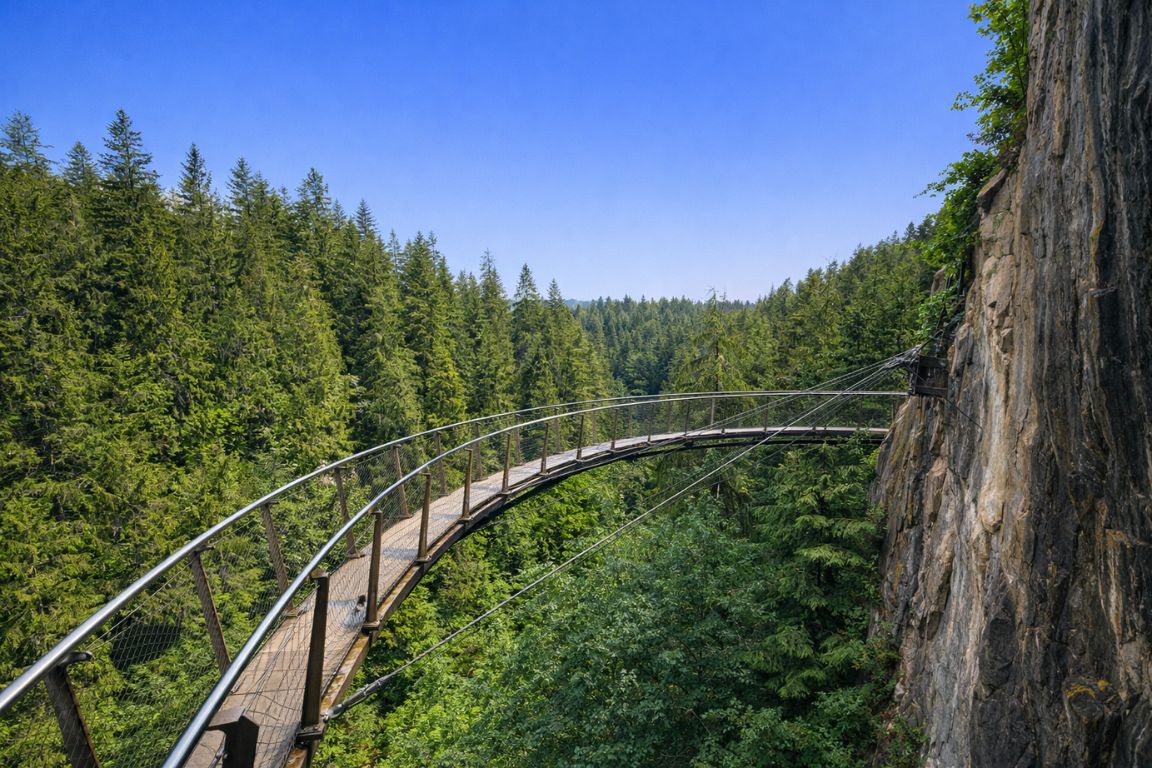
For attractions, the rule is simpler: book online in advance for anything with a fixed capacity. Top Vancouver attractions regularly sell out 6 weeks ahead in summer. Capilano Suspension Bridge Park, Grouse Mountain, whale watching tours – all of these can go from available to sold out quickly in peak season. Online booking is also almost always cheaper than gate pricing.
Not sure where to start with planning? A Granville Island and Stanley Park sightseeing tour is a practical first booking while hotel dates and the rest of the itinerary are still coming together.
What’s the Best Time of Year to Visit Vancouver?
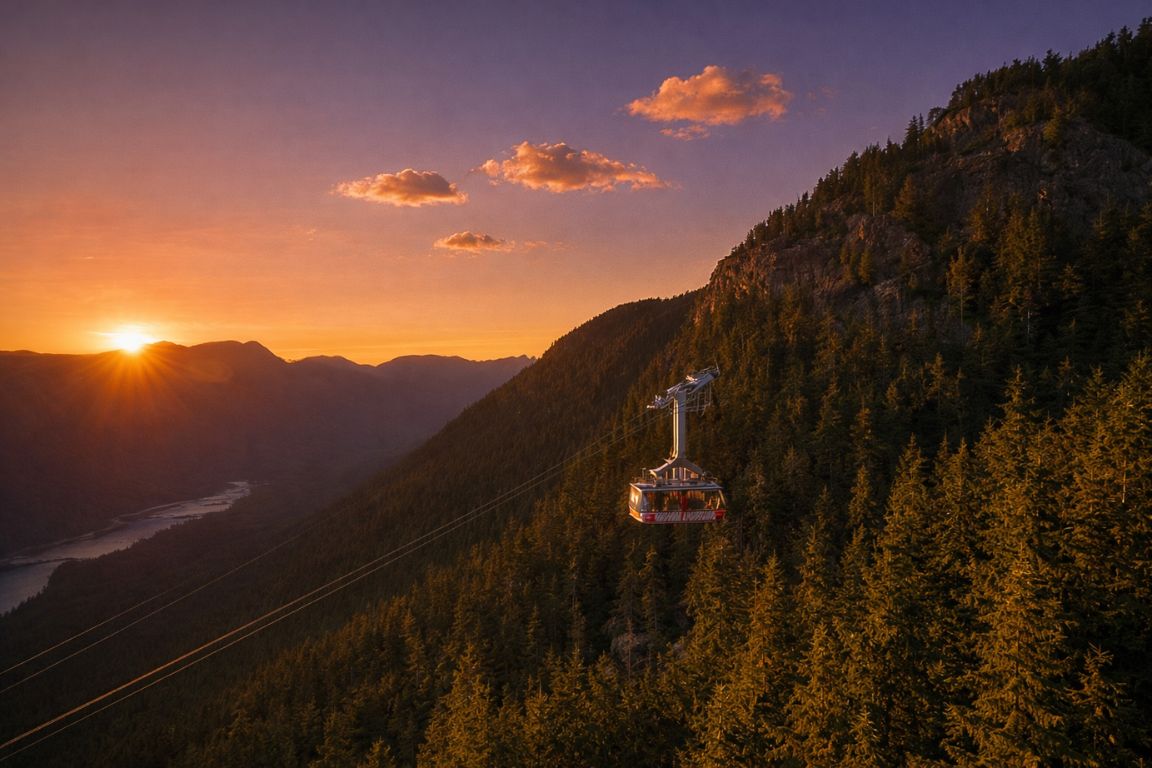 September is the strongest single month for most visitors: summer warmth lingers, the wildfire smoke risk that clouds late July and August has cleared, crowds have thinned, and hotel rates drop noticeably from peak summer pricing. July and August are the warmest and driest months if summer heat matters to you. April through May offers excellent value with mild weather, cherry blossoms (peak late March to mid-April), and meaningfully lower prices. Winter has the skiing angle – Whistler is a two-hour drive, and Grouse Mountain sits 20 minutes from downtown.
The thing most travel guides skip is wildfire smoke. Late July through August brings prevailing east winds that push smoke from Interior BC wildfires into the Metro Vancouver airshed. The city can go from crystal clear to grey-brown haze in a day, and it stays that way for stretches. It doesn’t ruin a trip – there’s plenty to do indoors – but if you’re coming for the mountain views and outdoor scenery, you might spend two of your four days looking at brown sky. September sidesteps this reliably.
Spring (April-May) is underrated. Rain is more frequent – 10-17 days per month – but it’s rarely all-day rain. Vancouver does light drizzle interrupted by sunshine better than almost any city. The cherry blossoms are famous and worth timing a visit around; late March through mid-April sees the city’s 40,000+ cherry trees in full bloom, and the West End, the Crescent neighbourhood, and Queen Elizabeth Park are extraordinary. Hotel prices are 20-30% lower than peak summer.
If you’re flexible on dates, here’s the best time to visit Vancouver Canada tours based on weather patterns, tourist crowds, and when accommodation prices actually drop.
Vancouver by Season: What to Expect
| July-August | Warm, mostly dry (smoke risk late July+) | Highest | Peak rates | Beaches, outdoor festivals, long days |
| September (recommended) | Warm, clear, smoke gone | Moderate | 10-20% below peak | Best all-round: weather + value + crowds |
| October | Cooler, rain increasing | Low | Good value | Fall colours, local vibe, quiet trails |
| April-May | Mild, intermittent rain | Low-moderate | 20-30% below peak | Cherry blossoms, hiking, value |
| Dec-Feb | Mild but wet (5-8°C), some snow | Lowest | Lowest rates | Skiing (Whistler/Grouse), holiday lights, budget trips |
How Many Days Do You Need in Vancouver?
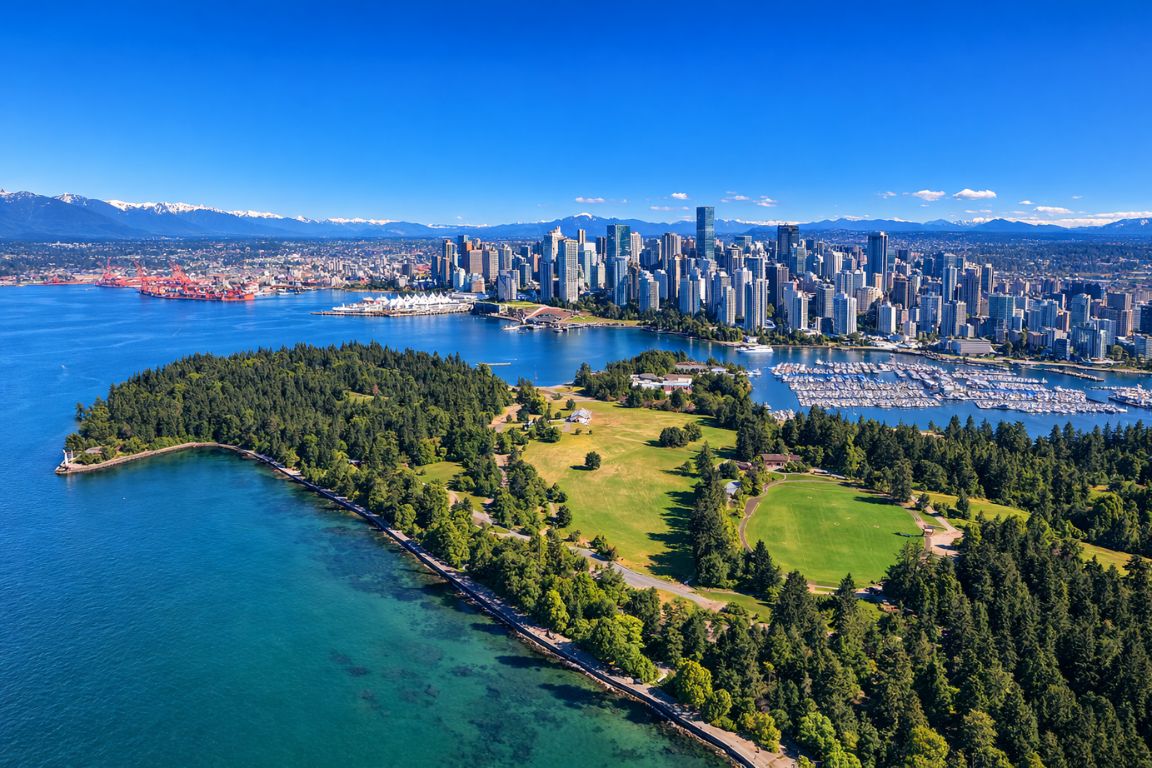 Three days gives you the highlights: Stanley Park, Granville Island, Gastown, and one North Shore excursion (Capilano or Grouse Mountain). Four to five days lets you breathe – you get one full day for the city, one for nature on the North Shore, one for day trips, and time to actually sit somewhere and eat without rushing. If you want to add Whistler, Victoria, or Squamish, build in at least 6-7 days total.
Three days is the number most travelers arrive with. After doing this for 15 years, what I can tell you is that three days usually produces a trip where people feel they saw Vancouver but didn’t experience it. The difference between seeing and experiencing is one rest afternoon spent in a neighbourhood that wasn’t on the original list, or a meal you found by walking down a side street, or sitting on a log at English Bay watching the sun drop into the Pacific.
The Victoria day trip calculation deserves plain honesty. Victoria is three to four hours door-to-door each way from downtown Vancouver – ferry line-up, crossing, and getting to the city centre. If you’re spending 6-7 hours in transit for a day trip, you’re left with 3-4 hours in Victoria. It’s not enough. Victoria is better as an overnight trip if it’s on your list.
Whistler is a better day trip. It’s about two hours each way on a spectacular drive (Sea-to-Sky Highway), and a full day there is genuinely satisfying. But again, start early. If you’re not on the highway by 8am, the day gets squeezed. Factor in that roundtrip car rental plus gas runs CAD $120-160 minimum, or a guided tour runs CAD $150-200 per person and handles transport.
Need a game plan for a long weekend? Check out our 3-Day itinerary in Vancouver Canada tours – it covers the highlights with realistic pacing.
Recommended tours by season
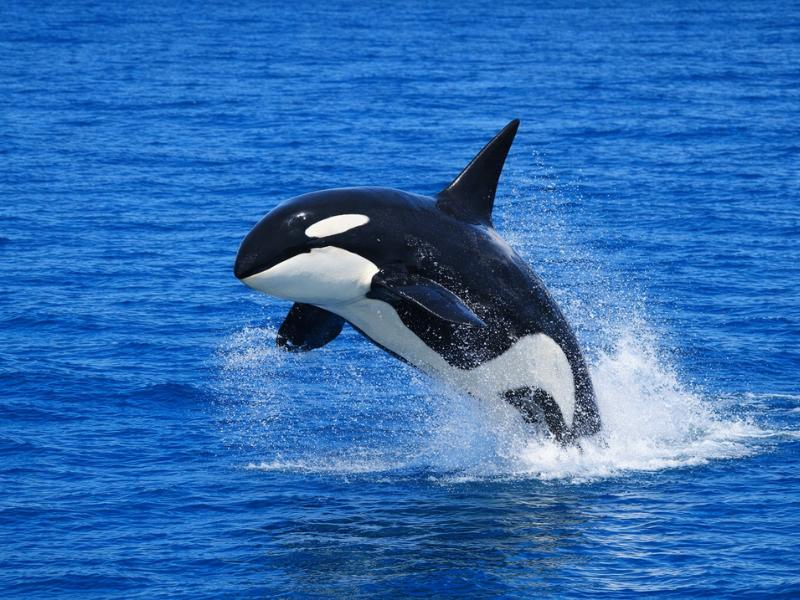
Vancouver Whale Watching Adventure – Half-Day Tour & Free Photo Package
Summer pick. A 5-hour half-day tour from Vancouver, with a photo package included.
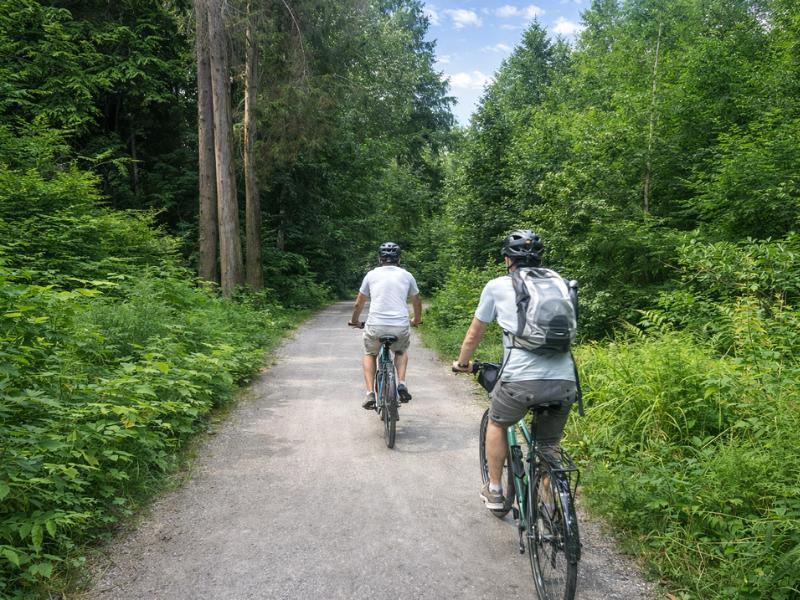
Best Vancouver Bike Tour – Guided Ride with Local Expert
Best in dry, mild weather. A 5-hour guided ride with a local guide.
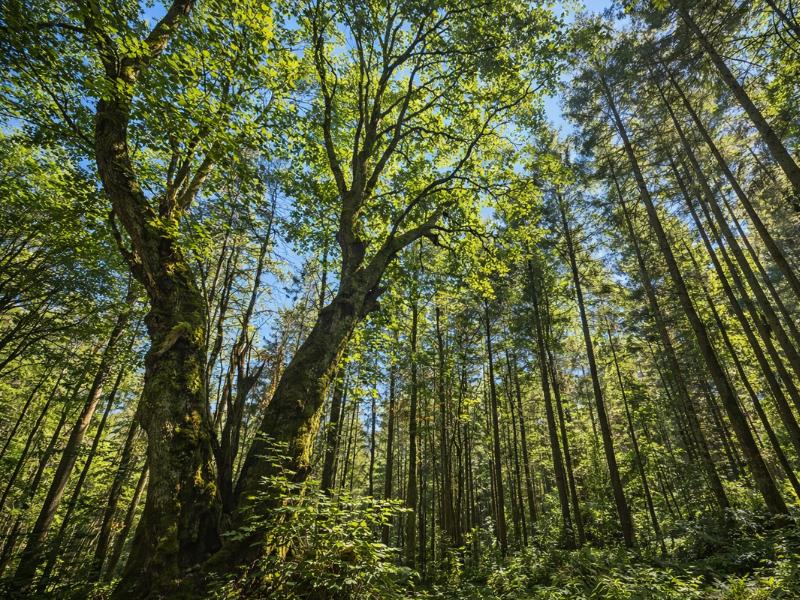
Discover Vancouver’s Ancient Trees – Guided Nature Walk
Fall and shoulder-season pick. A 3-hour guided walk focused on older forest.
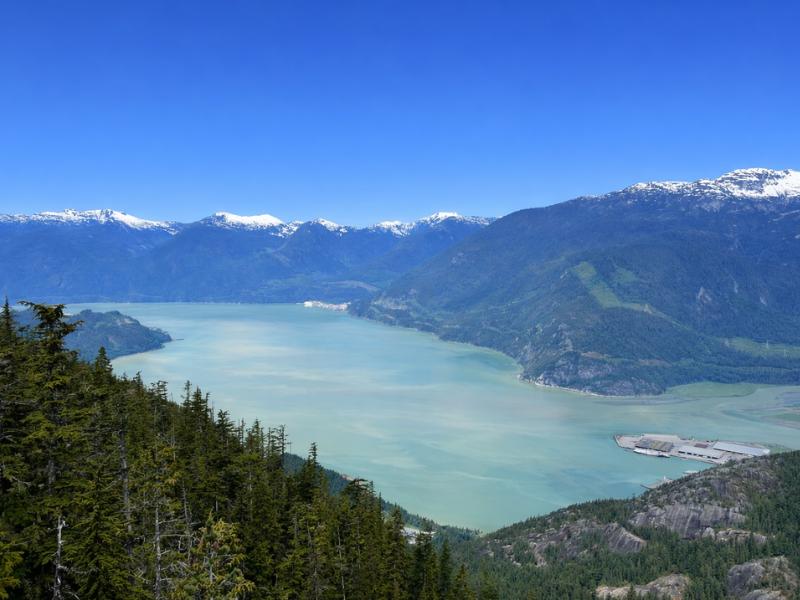
Vancouver to Whistler: Sea to Sky Gondola Tour with Shannon Falls Stop
Winter and mountain-day pick. A 10-hour trip from Vancouver to Whistler with a gondola ride and a Shannon Falls stop.
Where Should You Stay in Vancouver?
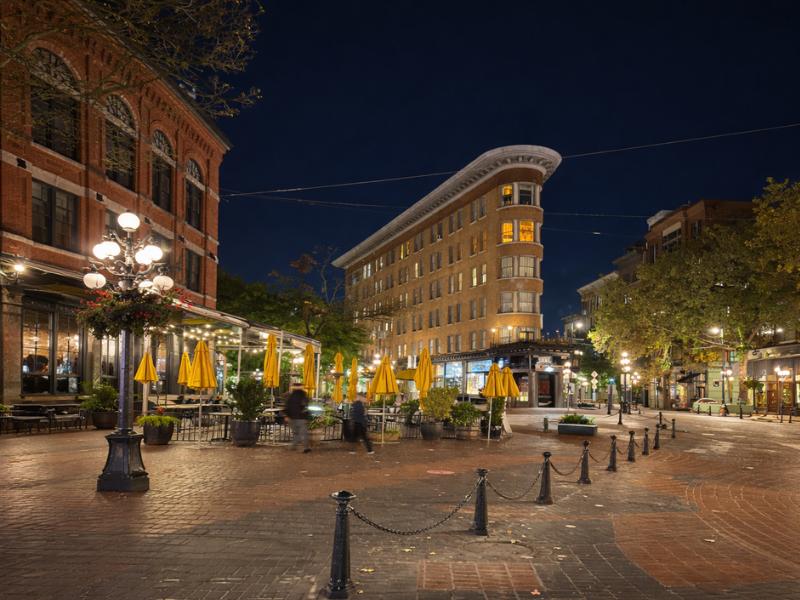
The West End and Coal Harbour are the best base for most first-time visitors: safe, walkable, close to Stanley Park and English Bay, convenient transit access, and slightly lower prices than the business core of downtown. Gastown suits travelers who want historic character, good restaurants, and nightlife. North Vancouver via SeaBus is the value play – cheaper rates, mountain access, 12-minute ferry to Waterfront Station.
The thing that trips people up is confusing downtown’s business district (around Burrard and Georgia) with actually good tourist accommodation. The business core is convenient for transit but short on character and atmosphere, and the blocks between it and Gastown include areas that feel uncomfortable at night for visitors who don’t know the city. West End sits between Stanley Park and downtown proper – more residential, quieter streets, English Bay a few minutes’ walk away. It’s simply a better base for the trip most people want to have.
Coal Harbour is ideal if you’re arriving or departing by cruise – it’s steps from Canada Place terminal, has some of the city’s best harbour views, and feels calm despite being central. Gastown works for travelers who want the brownstones and brick and the best restaurant density in the city, though it borders the Downtown Eastside to the east and the noise level is higher. Yaletown is excellent for couples who want a hip, waterfront-adjacent neighbourhood with patios and craft cocktails.
The North Vancouver option is underused by tourists and worth serious consideration if budget is a factor. Hotels near Lonsdale Quay often run CAD $50-80 cheaper per night than comparable downtown properties. The SeaBus runs frequently (every 15 minutes most of the day, every 30 minutes late night) and takes 12 minutes from Lonsdale Quay to Waterfront Station. You’re also right at the base of the North Shore mountains, which means Capilano, Grouse Mountain, and the hiking trails are closer than from downtown.
Where to Stay in Vancouver: Neighbourhood Comparison
| West End | First-timers, Stanley Park access, English Bay, local feel | Fewer luxury hotels; some blocks feel quiet at night | Mid-range |
| Coal Harbour | Cruise passengers, harbour views, easy Seabus access | Most expensive neighbourhood; sparse dining options | High |
| Gastown | Foodies, nightlife, historic character, boutique hotels | Borders DTES; avoid east of Abbott Street at night | Mid-High |
| Yaletown | Couples, upscale dining, False Creek walkability | Fewer hotel options (mostly residential); pricier restaurants | Mid-High |
| North Vancouver (Lonsdale) | Value seekers, hikers, mountain access, families | 12-min SeaBus to downtown; fewer luxury options | Lower |
| Kitsilano | Beach lovers, local cafes, laid-back west side vibe | Requires bus or bike to downtown; limited SkyTrain access | Mid-range |
How Do You Get Around Vancouver?
 You don’t need a car to see Vancouver. The TransLink system covers the airport, all downtown neighbourhoods, North Vancouver (via SeaBus), and most major attractions via SkyTrain and bus. A DayPass at CAD $11.95 unlocks everything for 24 hours. The Canada Line from YVR airport to downtown takes about 25 minutes and costs CAD $8.85 on Compass Card stored value. Uber and Lyft are reliable for gaps. Don’t rent a car unless you’re doing day trips outside the city.
Getting to the airport: the Canada Line is the default and it works well. The trip from Waterfront Station downtown to YVR runs 25-28 minutes, trains come every 6-8 minutes during the day, and it costs CAD $8.85 each way on a Compass Card (the standard $3.85 fare plus a $5 YVR AddFare). Taxis run a flat rate of approximately CAD $32-36 from downtown to YVR. In rush hour, transit is often faster because it runs in its own corridor and bypasses bridge traffic.
Within the city, the SkyTrain Expo and Millennium Lines cover east-west downtown, the Canada Line runs north-south through downtown and south to the airport and Richmond, and the SeaBus crosses Burrard Inlet to North Vancouver. Buses fill in the gaps. The whole system is timed with 90-minute transfers – tap your Compass Card or use a contactless credit card at the fare gate, and you can transfer for free within that 90-minute window.
The one gap worth knowing: there’s no direct transit between Capilano Suspension Bridge and Grouse Mountain. Both are in North Vancouver, about 6 km apart, but no SkyTrain runs between them and the bus connection is awkward. If you’re doing both in the same day, budget for a rideshare between them (CAD $15-25 depending on time of day).
Want someone to handle the logistics entirely? The Capilano, Grouse Mountain, dam, lake and salmon hatchery small-group tour covers those North Shore stops in one 6-hour outing.
Not sure what to do outside Vancouver? Check out our breakdown of the best day trips from Vancouver Canada tours – from Whistler to Victoria to the Sea-to-Sky Highway.
What Should You Do First in Vancouver?
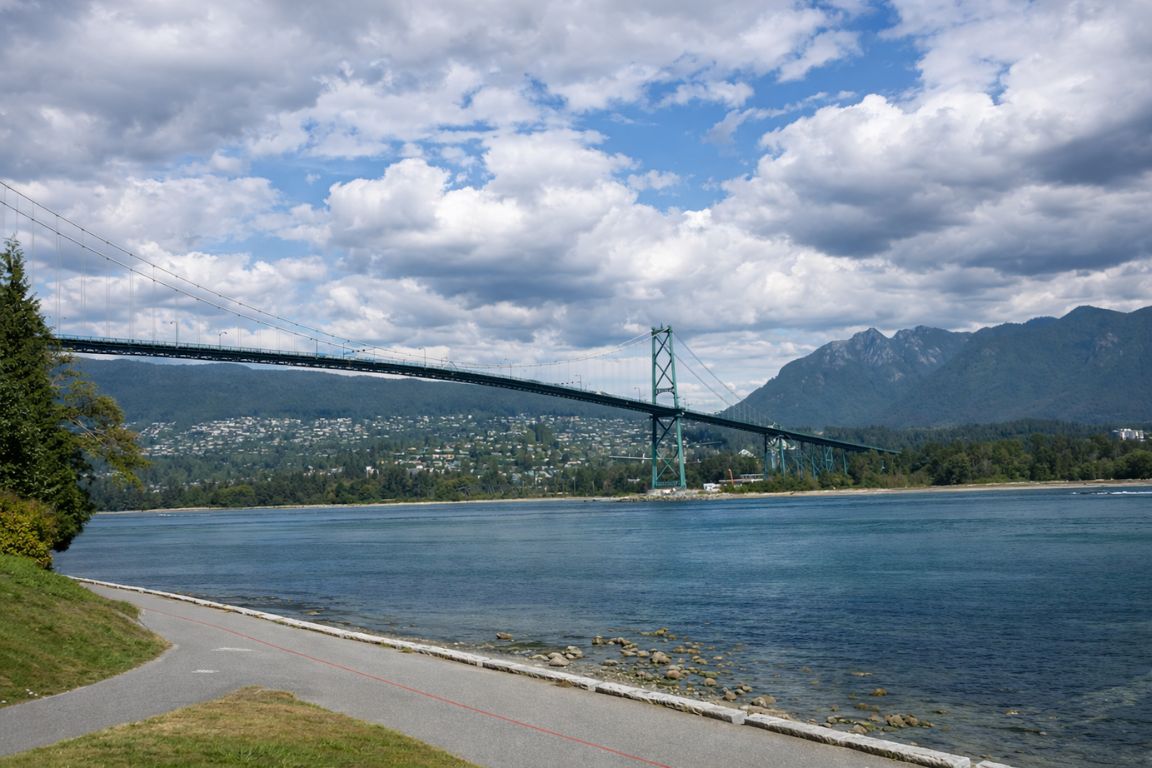 Start at the waterfront. Canada Place, Coal Harbour, and the beginning of the Seawall give you Vancouver’s geography in one continuous walk – the mountains to the north, the inlet in front of you, the density of downtown at your back. It orients you to the city better than any map. From there, walk west toward the West End and Stanley Park. Save the North Shore (Capilano, Grouse Mountain) for Day 2 once you have your bearings.
Day 1 in a city should do one thing: answer the question “what kind of place is this?” Vancouver’s answer is legible from the waterfront within about an hour. You see the Lions Gate Bridge framing the inlet. You see the mountains sitting directly above the city skyline – not in the distance, right there. You see floatplanes landing in the harbour and the cruise ships and container vessels and the SeaBus all sharing the same water. You understand why people move here.
Most visitors save Stanley Park for later in the trip. We actually recommend this. The park is better once you understand the city it sits inside. By Day 3, when you know the West End streets and the Seawall path, cycling the 10 km loop and stopping at Prospect Point feels like you belong there, not like you’re ticking a box.
Granville Island works best as an afternoon activity on Day 1 or Day 2. Take the False Creek ferry from the downtown waterfront – it’s CAD $4-5 and genuinely one of the most pleasant short trips in the city. The Public Market closes at 7pm, so plan accordingly. Don’t eat a big lunch beforehand.
Need a solid recommendation? Here are the best Vancouver city tours that consistently deliver – from walking tours to food tours to neighborhood explorations.
How Do You Build a Vancouver Itinerary That Actually Works?
 The formula that consistently produces the best trips: one neighbourhood deep-dive per day rather than five places rushed, one paid attraction per day maximum (the major ones each take 3-4 hours), morning for active outdoor activities before crowds arrive, afternoon for neighbourhoods and food, one free evening with no plan. The travellers who see Vancouver best aren’t the ones who saw the most things – they’re the ones who sat long enough in one place to actually notice it.
North Shore activities (Capilano Suspension Bridge, Grouse Mountain, Lynn Canyon, hiking) belong on the same day. Cross the Lions Gate Bridge or take the SeaBus once, do two or three things while you’re there, come back. Don’t bounce between North Vancouver and downtown twice in the same day – it eats an hour of transit and energy each time.
The itinerary mistake we see most often is front-loading all the paid attractions in the first two days and leaving the last day or two empty. It leaves people feeling like Vancouver got expensive fast. Spread the major paid experiences – one per day – and pepper in free activities around them. A morning whale watching tour is CAD $135. That afternoon can be free: the Seawall, a neighbourhood walk, Granville Island market. The trip stays in balance.
Day trips need their own day. Whistler is a full day, period. If you put Whistler on a day that starts with anything else, you’ll either start too late or shortchange both. Same for Victoria. Build the day trip as the only thing on that day, and leave the evening flexible – you’ll be tired when you get back.
Curious about making it to Victoria and back? Our guide on the Victoria day trip from Vancouver walks you through BC Ferries, what you can fit in, and whether it’s worth the early morning start.
What Do Most People Get Wrong When Planning a Trip to Vancouver?
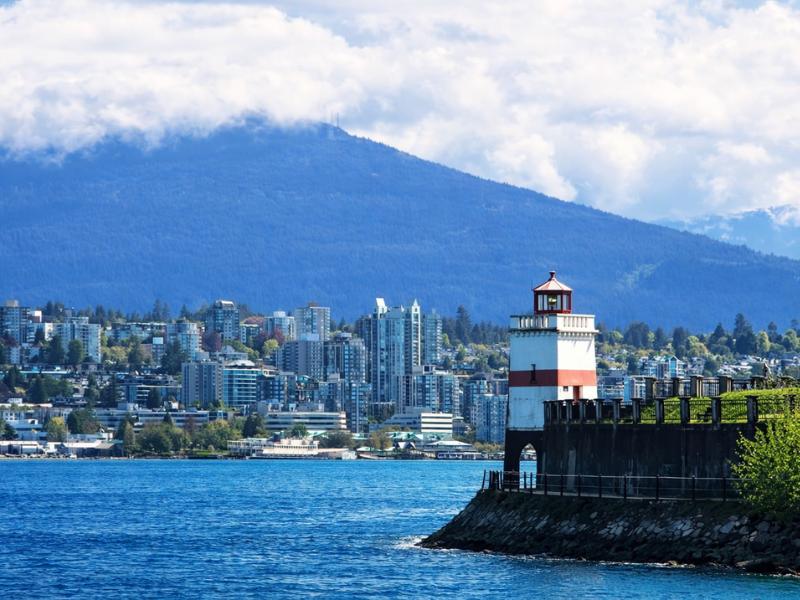
The four planning errors that reliably produce disappointing Vancouver trips: booking accommodation in the wrong part of downtown (too far from the water), underestimating how long North Shore attractions actually take (Capilano alone runs 2-3 hours; Grouse Mountain another 2-3), treating Victoria as a day trip when it genuinely isn’t, and not accounting for the 20%+ hotel tax that turns a listed CAD $300 room into a CAD $360 room on checkout.
The car rental instinct is strong and almost always wrong for city-only trips. Downtown parking runs CAD $30-45 a day. Gas prices are among Canada’s highest. Bridge traffic to North Vancouver backs up significantly during morning and afternoon peaks. We watch travelers spend the first 20 minutes of every excursion finding parking. The city doesn’t want you in a car – it’s built for feet and transit – and fighting that takes time and money without giving you anything in return.
We’ve mapped out Vancouver Canada tours without a car because transit here works surprisingly well and parking downtown is expensive and frustrating.
Chinatown is worth mentioning honestly. A generation ago it was the food destination. It’s still historically interesting, and the architecture and street character are genuine. But the area has been significantly impacted by the drug crisis and DTES spill-over. Visitors who wander east of Abbott Street expecting the Chinatown of old can be caught off guard. The Chinese food you actually want is in Richmond – a 20-minute Canada Line ride south – where the cuisine is extraordinary and the neighbourhood is welcoming and calm.
Finally, the packing error: visitors consistently arrive in summer with no rain gear because the photos all show sunshine. Vancouver gets 5-7 rainy days per month even in summer. One day of rain without waterproof gear means one day of miserable cold, wet shoes and a damp jacket. Pack the rain layer regardless of your travel dates. It weighs almost nothing and changes everything if it rains.
What Should You Pack for Vancouver?
The core packing principle for Vancouver is layering, not bulk. The city’s weather shifts throughout the day – cool mornings, warm afternoons, cool evenings – and the mountains create microclimates where conditions at the trailhead differ from what it felt like in downtown. One good waterproof outer layer, one warm mid-layer (fleece or light down), and breathable base layers handle every season. Leave the heavy coat at home unless you’re coming in January. Bring waterproof shoes.
The outer layer matters most. Look for something rated waterproof rather than water-resistant – in Vancouver rain, “water-resistant” gets you wet inside 20 minutes. A packable rain jacket that stuffs into its own pocket is ideal because you can cinch it to your bag when it’s dry and pull it out the moment the drizzle starts without breaking stride. Locals carry theirs everywhere.
Footwear is where visitors most consistently suffer. Stylish shoes and heeled boots stay in the suitcase – Vancouver is relentlessly casual, and the best parts of the city (the Seawall, Stanley Park, the North Shore trails, Granville Island’s cobblestones) require real walking shoes. Waterproof sneakers or low hiking boots are the honest recommendation. Nobody looks twice at trail runners at dinner here. It’s that kind of city.
If you’re coming between October and April, add a warm mid-layer and waterproof shoes with grip. The seawall gets slick in rain. If you’re heading to Grouse Mountain or any North Shore trails in winter, conditions at elevation are different from sea level – the mountain gets 30 cm of snow a week in winter while downtown sees rain.
Vancouver Packing Guide by Season
| Summer (Jun-Aug) | Waterproof jacket, light layers, sunscreen, sunglasses | Daypack, reusable water bottle, trail shoes | Heavy coat, formal shoes |
| September-October | Waterproof jacket, fleece or light down, layers | Waterproof pants, warm hat, gloves | Sandals, heels |
| Spring (Mar-May) | Waterproof jacket, light sweater, waterproof shoes | Wool or synthetic layers (no cotton), trail shoes | Sandals, summer-only clothing |
| Winter (Nov-Feb) | Warm waterproof jacket, fleece, thermal layers, waterproof boots | Ski/snowshoe gear for Grouse or Whistler; warm hat, gloves | Cotton base layers (wet, cold, miserable) |
What Do You Need to Know About Getting Into Canada?
US citizens need a valid US passport and nothing else – no visa, no eTA – for tourist visits. Citizens of most other visa-exempt countries (UK, Australia, most of Europe, Japan, South Korea, and others) need an eTA (Electronic Travel Authorization) to fly into Canada. It costs CAD $7, takes minutes to apply for at canada.ca/eta, and is electronically linked to your passport. Visa-required nationalities need a Temporary Resident Visa (TRV). Canada allows most visitors to stay up to 6 months.
The eTA question trips up non-American visitors more than anything else in the entry process. If you’re from the UK, Australia, Germany, France, Japan, South Korea, or any of the other 50+ visa-exempt countries, you don’t need a visa to visit Canada – but you do need the eTA if you’re flying. The eTA is not needed if you’re crossing by land from the US or arriving by sea. Apply before your trip through the official Government of Canada immigration website (canada.ca). Third-party sites charge more and add nothing. The CAD $7 fee is the only cost.
One important edge case: US Green Card holders (lawful permanent residents, not US citizens) need an eTA to fly to Canada. They don’t need a full visitor visa, but the eTA is required. Green Card holders were exempted from the full visa requirement in 2022, but the eTA step remains. The eTA is linked to your nationality passport, not your Green Card, so apply with your country of citizenship passport.
Criminal record or past DUI: Canada takes this seriously. Persons with DUI convictions, even from decades ago, can be refused entry at the border. If this applies to you, contact a Canadian immigration lawyer or the Canadian consulate in your country before booking your trip. Being turned away at the border is not a situation you want to navigate at the airport.
At the border itself – whether by air or land – a Canada Border Services Agency officer decides admission. Having a return ticket, a hotel booking, and a general sense of your itinerary makes the conversation faster. Most visitors are through in under five minutes. Answer questions clearly and honestly.
How Our Travelers Plan Their Vancouver Visits
Based on feedback from our 2024-2025 traveler groups, here’s what we consistently see in how people plan and what they’d change.
| Booked accommodation 6+ weeks out | 60-80% | “Got our first-choice neighbourhood and saved noticeably on rate” |
| Booked within 2 weeks of arrival | 20-35% | “Paid more and had fewer options – learned this lesson” |
| Wished they had more days | 55-75% | “Could have used 5-6 days easily; 3 felt rushed” |
| Used transit exclusively (no rental car) | 75-90% | “Glad we didn’t rent – transit handled everything” |
| Surprised by hotel tax on checkout | 50-70% | “Didn’t expect the full 20% – would have budgeted differently” |
| Said rain gear was the single most useful item packed | 70-85% | “Even in summer – just pack the jacket” |
Frequently Asked Questions
Do US citizens need a visa to visit Vancouver?
No. US citizens do not need a visa, an eTA, or any advance travel authorization to visit Canada. A valid US passport is all that’s required. Visits can be up to 6 months. Canada Border Services Agency determines final admission at the port of entry.
Do I need an eTA to fly to Vancouver?
Citizens of visa-exempt countries (UK, Australia, most of Europe, Japan, South Korea, and others) need an eTA to board a flight to Canada. US citizens are exempt. The eTA costs CAD $7, is applied for online at canada.ca/eta, and is electronically linked to your passport. Most applications are approved within minutes.
How many days do you need in Vancouver?
Four to five days is the realistic minimum for a satisfying trip that includes the city core and at least one North Shore day (Capilano Suspension Bridge or Grouse Mountain). Three days covers the highlights but feels rushed. Add a 6th or 7th day if you want a day trip to Whistler or an overnight in Victoria.
What is the best neighbourhood to stay in Vancouver?
The West End and Coal Harbour are best for most first-time visitors — safe, walkable, close to Stanley Park and English Bay, with good transit access. Gastown suits travelers who want historic character and a dense restaurant scene. North Vancouver near Lonsdale Quay is the value option: cheaper rates and a 12-minute SeaBus to downtown Waterfront Station.
Do I need a car in Vancouver?
No. TransLink’s SkyTrain, buses, and SeaBus cover the airport and all major tourist areas efficiently. A DayPass is CAD $11.95 and covers everything for 24 hours. The only reason to rent a car is for day trips outside the city – Whistler, Squamish, or taking the BC Ferries connection to Vancouver Island.
What should I pack for Vancouver?
A waterproof outer layer is non-negotiable for any time of year. Beyond that, pack in layers: breathable base layers, a warm mid-layer (fleece or light down), and the waterproof jacket on top. Waterproof walking shoes or low hiking boots outperform any stylish footwear given Vancouver’s walking-heavy itineraries and wet weather. Pack casual, not formal – Vancouver dresses outdoorsy.
Once hotels are held, reserve the paid outing that has a fixed capacity. Whale watching dates are a reasonable place to start.
Written by Ethan James Carter
Canadian tour guide since 2010 · Founder, Vancouver Canada Tours
Ethan has guided over 11,400 travelers through Vancouver, the North Shore mountains, and British Columbia’s coast since founding the agency.
Choose the experience that fits your trip
Our starting recommendation; confirm your party’s needs and travel date.
Compare alternatives and adjust the recommendation
| Experience | Why pay for it | Time and practical limits |
|---|---|---|
| Vancouver City Highlights Tour | Guided city tour including Stanley Park and Granville Island. | 210 min planning window 3.5 hours; meals and attraction purchases extra. |
| Capilano Suspension Bridge Park Ticket | Suspension Bridge, Treetops Adventure and Cliffwalk admission. | 180 min planning window Food and paid parking extra; walking and heights involved. |
| Covered Whale Watching From Vancouver | Five-hour whale watch with naturalists, indoor cabin, outdoor decks and wildlife photos. | 330 min planning window Wildlife is not guaranteed on a particular departure. Return-tour guarantee has fees; meals extra. |
| Whistler And Sea to Sky Day Trip | Shannon Falls, Sea to Sky Gondola admission and Whistler on a guided coach day. | 630 min planning window 10 hours plus check-in; moderate walking. No luggage or YVR drop-off; not a ski package. |
| Private Vancouver City Tour | Private driver-guide with flexible stops, including Stanley Park and Granville Island. | 240 min planning window Four hours; listing confirms accessible vehicles and surfaces. Confirm your device and boarding arrangements. |
Compare your own quotes in CAD
Use totals for the same people, date and inclusions. Add transport, tickets and taxes to the independent plan.
Check your date before arranging the rest of your day
Vancouver City Highlights Tour
Guided city tour including Stanley Park and Granville Island.
Selected Vancouver hotel pickup and return; call to arrange. 3.5 hours; meals and attraction purchases extra.
Choose a date to see scheduled departures. Availability and final price are confirmed on Viator.
Your date is a planning check; select it again on Viator to confirm your booking.