Vancouver Without a Car Travel Tips
You don’t need a car in Vancouver. SkyTrain links YVR to downtown in 25 minutes, and most neighborhoods are walkable - here’s how to get around easily.
For a paid experience alongside this plan, Vancouver City Highlights Tour adds city highlights with transport.
Last updated: March 11, 2026
Quick Facts: Getting Around Vancouver Without a Car
| SkyTrain (Canada/Expo/Millennium Line) | Airport, downtown, Burnaby, Richmond | $2.70-$5.60 (Compass Card stored value) | +$5 YVR AddFare from airport. Prices verified March 2025. |
| TransLink Bus | Kitsilano, Commercial Drive, North Shore connections | $2.70 flat (Compass Card) | All buses 1-zone, all day. Prices verified March 2025. |
| SeaBus | North Vancouver (Lonsdale Quay) | Included in regular TransLink fare | 12-min crossing. Runs daily 6am–1am approx. |
| Mobi Bike Share | Seawall, False Creek, Kitsilano, short hops | $9.75/24hr pass (30-min rides included) | 260+ stations, 2,000+ classic bikes + 600 e-bikes. Prices verified March 2025. |
| False Creek Ferries / Aquabus | Granville Island, Yaletown, Science World | ~$5-$9 per trip | Not part of TransLink system. Separate fare. Prices verified March 2025. |
| TransLink DayPass | Heavy transit use days (4+ trips) | $11.95 adult | All zones, all modes (not West Coast Express). Prices verified March 2025. |
Note: TransLink announced a 4% fare increase effective July 1, 2025. Prices above reflect pre-July 2025 rates. Stored value 1-zone fare rises to $2.70 and 2-zone to $4.00 from July 1, 2025.
Can You Really Explore Vancouver Without a Car?
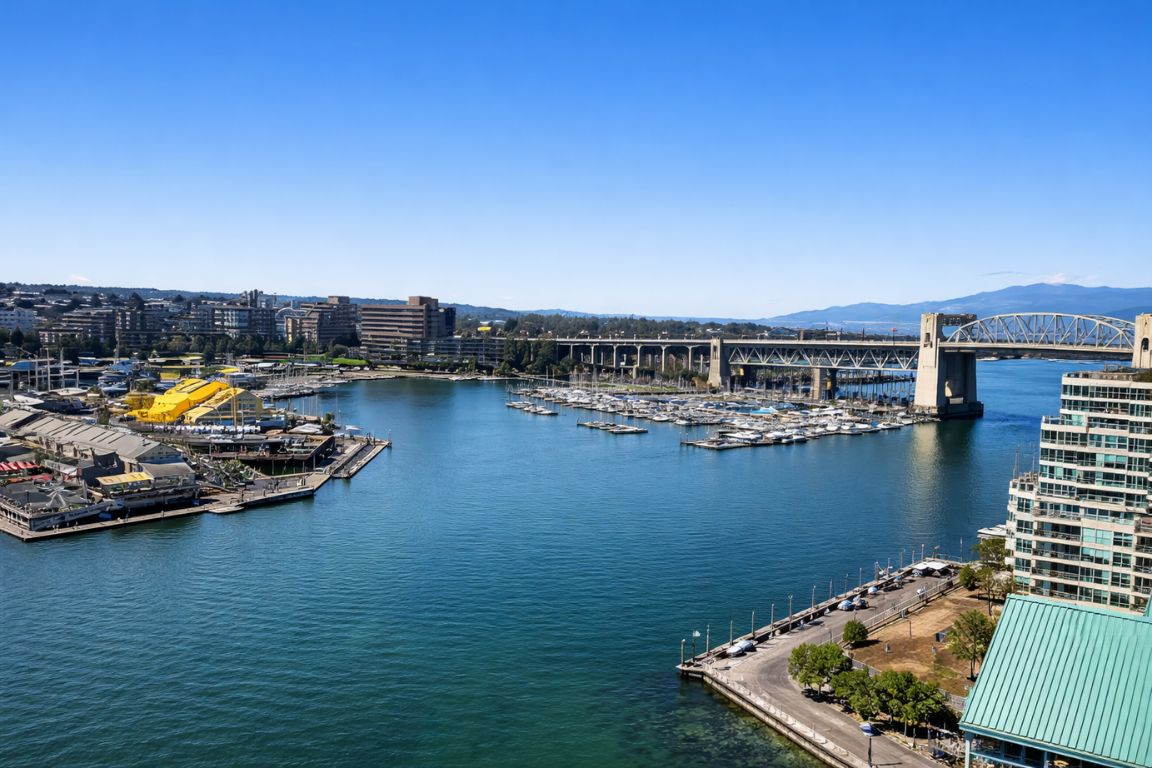 Yes, and most of the city’s best experiences are actually easier without one. Downtown Vancouver, Stanley Park, Gastown, Yaletown, Granville Island, Kitsilano, and the North Shore are all accessible by transit, bike, or ferry. You do not need a car for a typical 4-7 day visit. The only time a rental makes sense is if you’re doing multiple day trips outside Metro Vancouver.
The question comes up constantly. People fly into YVR, check hotel rates downtown, look at a map showing the mountains and the islands, and immediately assume they’re going to need to rent something. Most of them are wrong.
Vancouver is genuinely unusual among Canadian cities in how well it works without a car. Over 50% of daily trips in Metro Vancouver are now made by walking, cycling, or transit. The SkyTrain is clean, fast, and runs until past midnight. The seawall is 28 kilometers of continuous, car-free waterfront. And the Canada Line connects your airport gate to a downtown hotel lobby faster than most taxi rides could manage in traffic.
The city was built with a grid downtown, has invested heavily in protected bike lanes over the last decade, and has a False Creek ferry network that makes Granville Island feel like a natural part of the central waterfront rather than a difficult side trip. None of that happens by accident.
There are limits. Whistler by car is 2 hours on a spectacular highway. By transit, it’s a longer process. Tofino, Osoyoos, the Gulf Islands by your own schedule – those all benefit from having wheels. But the city itself, and even most North Shore hikes? Genuinely fine without one.
Want to get the planning right? This breakdown of how to plan a trip to Vancouver Canada tours covers all the details most visitors only figure out after they’ve already arrived.
How Does Vancouver’s Public Transit System Actually Work?
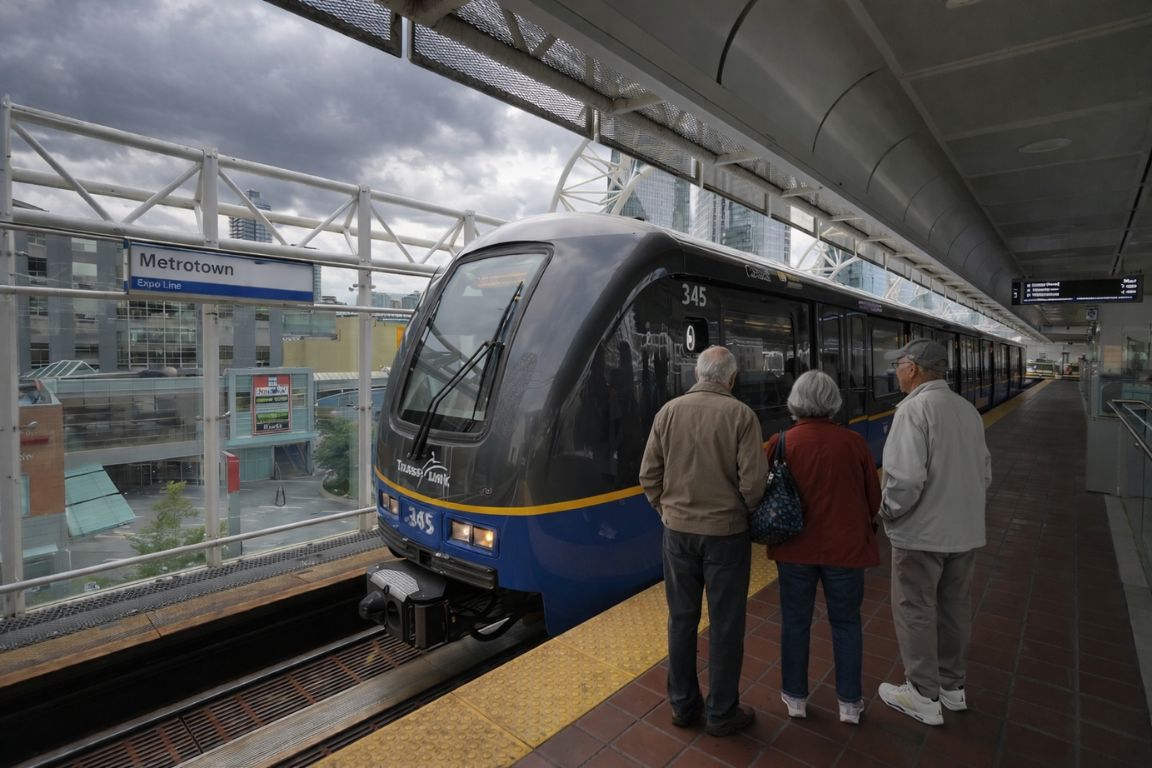 TransLink runs all of Vancouver’s public transit: three SkyTrain lines, a SeaBus ferry to North Vancouver, and an extensive bus network. You pay with a Compass Card (reloadable) or by tapping a contactless credit/debit card directly at fare gates. A single fare lasts 90 minutes and covers transfers between bus, SkyTrain, and SeaBus.
The system is simpler than it looks on paper. Three SkyTrain lines cover the main corridors. The Canada Line runs from YVR airport through downtown and south to Richmond. The Expo Line shoots east through Burnaby to Surrey. The Millennium Line branches off the Expo Line and loops through Burnaby and into Coquitlam. For most visitors staying downtown, the Canada Line handles the airport and the Expo Line handles day trips east. That’s it.
Fares are zone-based for SkyTrain and SeaBus – 1, 2, or 3 zones depending on how far you travel. Buses are always 1 zone, all day. If you’re staying downtown and mostly traveling within the central area, you’ll pay 1-zone fares for almost everything. After 6:30pm on weekdays, and all day on weekends, everything drops to a 1-zone fare regardless of distance. That matters if you’re doing longer trips to places like Burnaby’s Metrotown or Richmond.
Get a Compass Card at any SkyTrain station vending machine. There’s a $6 refundable deposit. Load it with stored value (about 20% cheaper per trip than the cash rate) or buy a DayPass for $11.95 if you’re going to take 4 or more trips. Children under 5 ride free; kids 5-13 pay concession fares.
One thing first-timers miss: tapping out matters on SkyTrain and SeaBus. If you forget to tap out, you get charged the maximum 3-zone fare. On buses you only tap in. Keep that straight and you won’t end up overpaying.
Also worth knowing: the $5 YVR AddFare applies only from the airport heading into the city, not the other direction. So your ride from downtown back to the airport is a standard fare. A morning of sightseeing plus an airport departure costs less than people expect.
Want to explore beyond the city? I’ve mapped out the best day trips from Vancouver Canada tours so you know which ones are worth the drive and which are overhyped.
How Do You Get from the Airport to Downtown Vancouver Without a Car?
 Take the Canada Line SkyTrain from YVR Airport station, located between the domestic and international terminals. The ride to Waterfront Station in downtown Vancouver takes about 25 minutes. Cost is $8.85 with Compass Card stored value on weekdays (includes the $5 YVR AddFare). Off-peak evenings and weekends, it drops to around $7.70. Trains run every 6-7 minutes during the day. Prices verified March 2025.
The station is well-signed from both terminals. From international arrivals, head to Level 3 and follow the Canada Line signs. The platform is accessible by elevator. Trains run from about 5am to just past 1am daily, which covers most flight schedules.
There’s a detail that catches some travelers off guard: trains departing from downtown toward YVR alternate between “YVR Airport” and “Richmond-Brighouse” as their final destination. When heading back to the airport, make sure you board a train marked YVR Airport, not Richmond. All trains from the airport station itself head downtown, so there’s no confusion going that direction.
A taxi or rideshare from YVR to downtown runs roughly $35-50 CAD depending on traffic and time of day. If you’re alone or two people traveling light, the SkyTrain wins on almost every metric: speed, cost, and reliability. If you’re arriving with a family and multiple bags, the math shifts a little, though the SkyTrain does have room for luggage and two bikes per train car.
One honest note: if you land late at night and are staying somewhere not near a SkyTrain station, a rideshare can make more sense than a SkyTrain-plus-bus combination at 1am with luggage. Know your hotel’s location relative to transit before you land.
Which Vancouver Neighbourhoods Are Best for Car-Free Visitors?
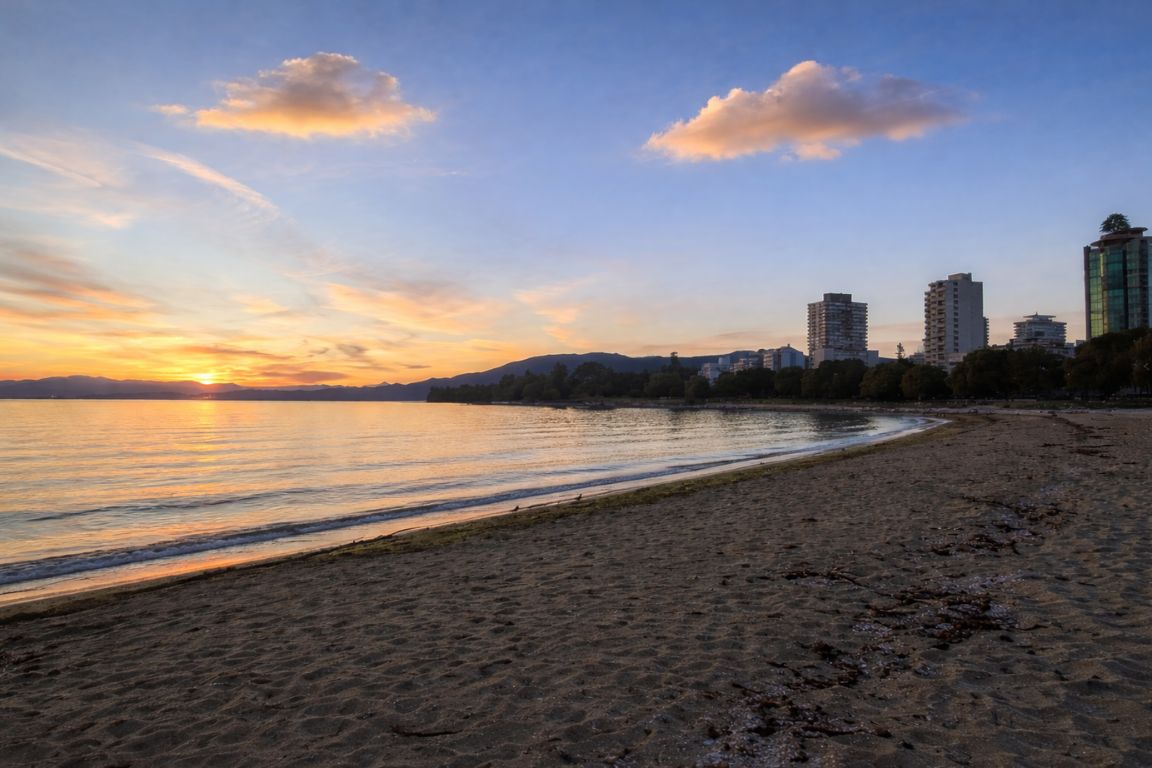 Stay downtown, in the West End, Yaletown, or Gastown and you’ll spend most of your trip on foot. Kitsilano works well for car-free visitors too, connected by frequent buses and with the seawall linking it to downtown by bike. Commercial Drive and Mount Pleasant are easy by SkyTrain or bus. North Vancouver is accessible by SeaBus and works for day trips, not an ideal car-free base.
Downtown is the obvious anchor. The Canada Line and Expo Line both run through it. Stanley Park’s seawall entrance is a 15-minute walk from most downtown hotels. English Bay, Gastown, Canada Place, Robson Street – they’re all on foot from a central hotel. If you stay downtown, you can spend days without touching transit at all.
The West End sits just west of downtown between Burrard Street and Stanley Park. It’s dense, residential, and quieter than the hotel corridors. Denman Street runs through it with good food options, and English Bay Beach is at the bottom of many of its blocks. It walks to everything downtown and to the park without needing transit at all.
Yaletown is a compact, converted-warehouse neighborhood south of downtown along False Creek. Excellent restaurants, False Creek ferry access to Granville Island, and easy SkyTrain access. It works well for a car-free stay, though a bit less central for Stanley Park.
Kitsilano gets overlooked as a car-free base, which is a mistake. It’s across Burrard Inlet from downtown, accessible by bus (the 4 and 7 on Cornwall and 4th run frequently), and is connected to the downtown seawall by a bikeable route over the Burrard Bridge. The beach, Granville Island by ferry or bike, and multiple good bus routes make it practical and significantly less hectic than downtown. Just budget an extra 15 minutes for getting around.
Need a solid recommendation? Here are the best Vancouver city tours that consistently deliver – from walking tours to food tours to neighborhood explorations.
Recommended tours by season
Car-free options for warmer days, shoulder season, and wet weather.
Best Vancouver Bike Tour – Guided Ride with Local Expert
A 5-hour guided ride with a local expert. Built for days when you want the waterfront by bike without planning the route yourself.
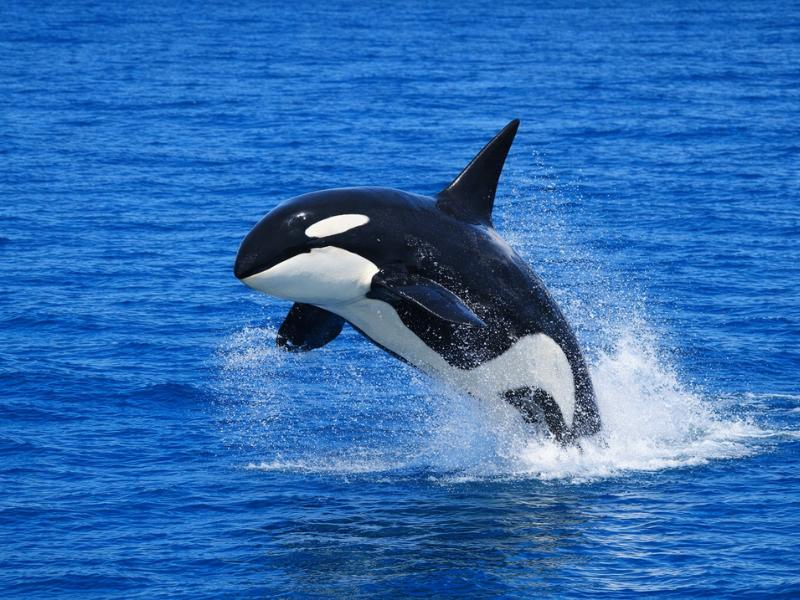
Vancouver Whale Watching Adventure – Half-Day Tour & Free Photo Package
A 5-hour boat trip from downtown Vancouver, with a photo package included. You can reach the departure on foot or by transit.
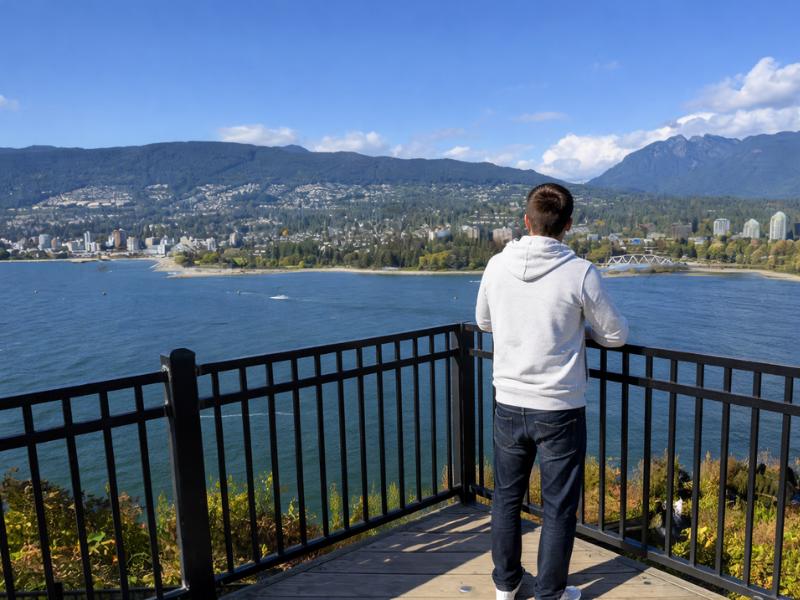
Capilano, Grouse Mtn, Dam, Lake & Salmon Hatchery 5-in-1 Small Group Adventure
A 6-hour small-group day covering Capilano, Grouse Mountain, a dam, a lake, and the salmon hatchery, with transport between the stops.
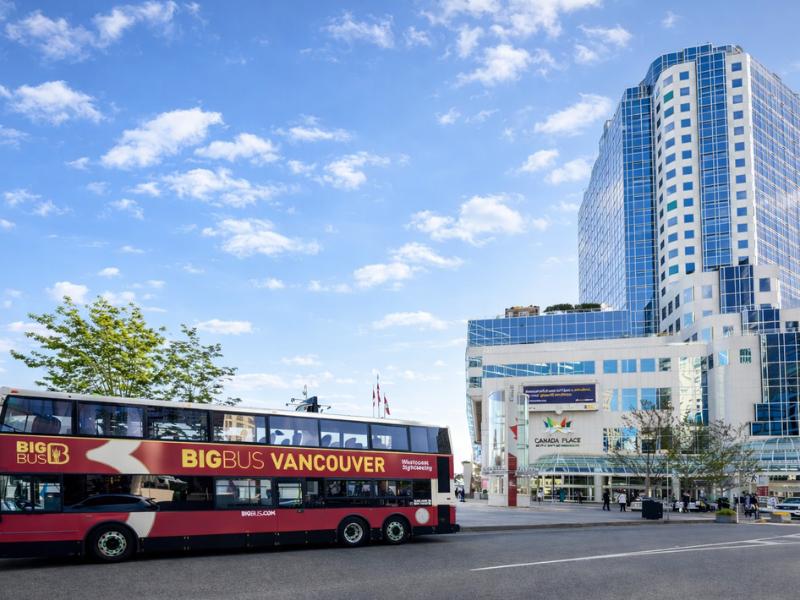
Vancouver Hop-On Hop-Off Sightseeing Tour – 10 Iconic Stops
A loop with 10 stops, including Gastown, the West End, and Granville Island. Ride the full circuit or get off and rejoin later.
How Do You Get Around Vancouver by Bike or on Foot?
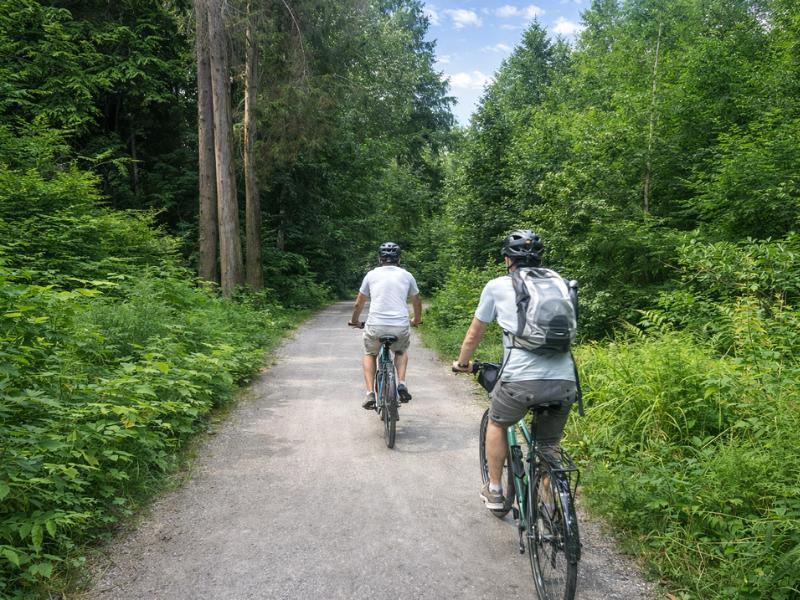
Vancouver has over 450km of dedicated bike routes and the 28km Seaside Greenway (including the Stanley Park Seawall) runs car-free along the waterfront. Mobi by Rogers bike share has 260+ stations and 2,600+ bikes across downtown, False Creek, Kitsilano, and Mount Pleasant. A 24-hour Mobi pass costs $9.75 and covers unlimited 30-minute rides. Helmets are required by BC law and come attached to every Mobi bike. Prices verified March 2025.
The seawall is the headline. It runs 28 continuous kilometers from Coal Harbour past Canada Place, around Stanley Park, through English Bay, along Kitsilano, and continues out toward Jericho Beach. You can walk or bike it in sections or commit to the whole thing. The Stanley Park loop alone is about 9km and takes most people 2-3 hours on foot, 45 minutes by bike at a relaxed pace.
Mobi bike share is the practical tool for getting between neighborhoods without using transit. The 24-hour pass at $9.75 makes sense if you’re making 3 or more trips. The catch is that rides over 30 minutes trigger overage charges ($5 per additional 30 minutes). The Stanley Park seawall loop takes about 45 minutes to an hour at leisure, so you’d want to stop and restart at a docking station midway if you’re on a day pass. There are Mobi docking stations at the totem poles, Second Beach, and Third Beach inside the park, which makes this straightforward.
For longer dedicated rides, private rental shops near the park entrance charge around $8-11 CAD per hour and are better value for anything over 2 hours. Cycle BC, Spokes, and Reckless Bike Stores all operate near Stanley Park and along the seawall. You’ll also get a better range of bike types, including tandems and bikes with child seats.
On foot, downtown Vancouver is unusually flat. The grades only start appearing when you head north toward Coal Harbour or climb into the residential areas above Kitsilano. For the main tourist circuit, meaning Gastown, Yaletown, Canada Place, the West End, and the seawall, you’re walking on flat ground almost the whole way. Wear shoes that work for pavement and light gravel and you won’t have any issues.
If you’d rather have someone handle the bike logistics and routing, the Best Vancouver Bike Tour includes the bikes, a set route, and a local guide.
What Are the Best Car-Free Day Trips from Vancouver?
 North Vancouver’s Capilano Suspension Bridge, Grouse Mountain, and Lynn Canyon are all reachable by SeaBus plus a bus connection. Victoria is possible by BC Ferries as a day trip but requires an early start. Whistler is doable by Skylynx or Epic Rides shuttle (about $33-$47 CAD one way). Steveston and Richmond are easy by Canada Line. None of these require renting a car. Prices verified March 2025.
The North Shore is the most common question. SeaBus from Waterfront Station to Lonsdale Quay takes 12 minutes. From Lonsdale, the 236 bus goes to Grouse Mountain and the 229 connects to Lynn Canyon. Capilano has its own shuttle from downtown during peak season. Total travel time from downtown Vancouver to any of these is around 45 minutes to an hour. Car-free, easy, and the SeaBus crossing itself gives you one of the better views of the downtown skyline from the water.
Steveston, the historic fishing village in Richmond, is a 30-minute Canada Line ride from downtown to Bridgeport station, then a short bus connection. It works well as a half-day trip and is genuinely uncrowded compared to most Vancouver attractions. The Gulf of Georgia Cannery is there, the boardwalk along the fishing harbor is free, and the food is good.
Whistler by bus is a longer commitment. The Skylynx and Epic Rides shuttles depart from downtown Vancouver hotels and the bus station on a regular schedule, running about $33-47 CAD each way. The ride through Squamish and along Howe Sound takes about 2.5 hours. It works for a full-day trip if you leave early. It’s not the right option if you want flexibility to linger or stop along the Sea to Sky highway at your own pace – that’s when the car makes more sense.
Victoria as a day trip is technically feasible by BC Ferries foot passenger ($18+ CAD one way from Tsawwassen), but the logistics are tight. The ferry from Tsawwassen takes about 90 minutes to Swartz Bay, then another 30 minutes by bus into Victoria’s inner harbor. Total door-to-door is easily 3.5-4 hours each way. If you’re doing Victoria, go overnight. The seaplane option (Harbour Air from downtown Vancouver’s waterfront) does the crossing in 35 minutes and lands near the inner harbor – significantly more practical for a day visit, though more expensive at around $100-$150 CAD each way.
We’ve detailed the Victoria day trip from Vancouver because the timing is tight, the ferry isn’t cheap, and you need to know if it’s actually doable in a day or just stressful.
What Do Most Car-Free Visitors Get Wrong About Getting Around Vancouver?
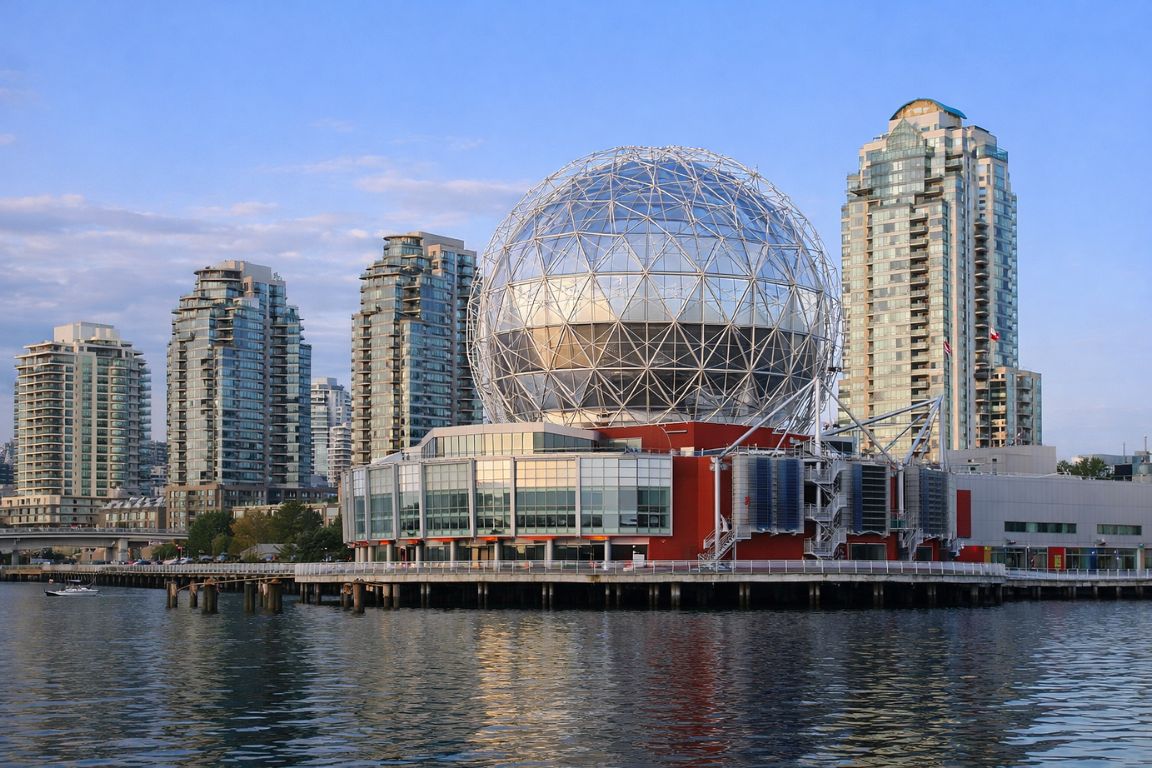 The biggest mistakes are: not getting a Compass Card on arrival and overpaying with cash, assuming Granville Island requires a long transit detour when the False Creek mini-ferries are faster, underestimating how far North Vancouver attractions are from the SeaBus terminal, and thinking the entire city is as walkable as downtown when some neighborhoods require bus connections.
The cash fare mistake is expensive and avoidable. Cash fares on SkyTrain are purchased as Compass Tickets at vending machines and cost about 20% more per trip than Compass Card stored value. A tourist doing 4 trips a day for 5 days is leaving real money on the table compared to the $6 deposit card with loaded stored value. Get the card when you arrive at YVR. It takes 5 minutes.
Granville Island confuses people because looking at a map, it seems like a transit hassle. It sits south of downtown across False Creek, and the buses that serve it involve a bit of a walk. But the False Creek Ferries and Aquabus mini-ferries run directly between Granville Island and Yaletown, Science World, Vanier Park, and other False Creek stops. The fare is $5-9 per trip, it’s not part of the TransLink system, but it’s fast and enjoyable in a way the bus isn’t. Most visitors who “couldn’t figure out how to get to Granville Island” just didn’t know the ferries existed.
North Shore distances catch people off guard. SeaBus to Lonsdale Quay is 12 minutes, great. But Lonsdale Quay is not Grouse Mountain. Grouse Mountain is another 20-30 minutes by bus from the Quay. Capilano Suspension Bridge is similar. Lynn Canyon is further still. Budget 45 minutes to an hour for any North Shore trip from downtown and you won’t feel rushed. Leave in the morning.
The other thing that regularly surprises visitors: some of Vancouver’s most interesting neighborhoods are not walkable from downtown. Commercial Drive, Main Street/Mount Pleasant, and East Vancouver generally require a SkyTrain or bus leg. They’re worth the 20-minute ride. But if you’re expecting everything to be within walking range of a downtown hotel the way, say, Gastown is, you’ll miss entire sections of the city.
Questions before you head out? Ethan and the team answer them every day. See nature tours that include transport if you would rather not assemble the day yourself.
Is a Car Ever Worth Renting for a Vancouver Trip?
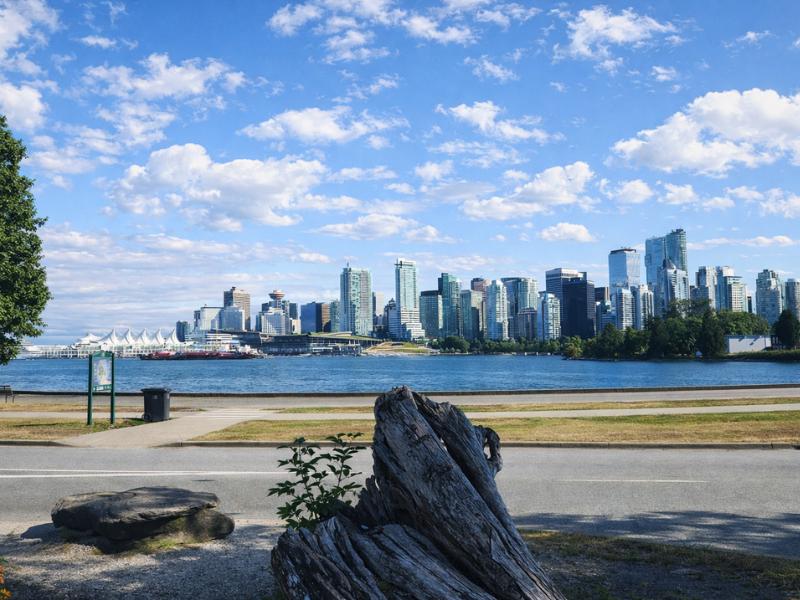
Rent a car if you’re doing multiple overnight trips outside Metro Vancouver (Tofino, the Okanagan, the Gulf Islands by your own schedule), or if you’re traveling as a group of 4+ and doing several day trips that require early morning departures. For a standard city-focused trip, a car adds parking costs ($20-$40 CAD/day downtown), traffic stress, and no real benefit over transit for most destinations.
Downtown Vancouver parking is not cheap. Most parkades in the core run $20-40 CAD per day depending on location and time. Street parking is time-limited and competitive. If your hotel has parking, it’s often $30-$50 overnight. None of that math is painful if you genuinely need the car. It just adds up invisibly when you don’t.
The honest trigger points for renting: Tofino is 4.5 hours from Vancouver and requires either a car or a float plane. Same with the Okanagan – car is the right tool. Visiting family or friends spread across the suburbs, or doing multiple North Shore day trips with gear and kids, can make a car worthwhile. Road-tripping up the Sea to Sky highway at your own pace, stopping at Brandywine Falls and Shannon Falls and arriving in Squamish when you want to, is a different experience than the shuttle.
But for the traveler who’s staying downtown and spending their time in Stanley Park, Granville Island, Gastown, the North Shore attractions, and maybe Victoria or Whistler – there is no version of that itinerary where renting a car actually improves the trip. It just adds logistics and costs.
If you want the transportation details handled so you can focus on the day itself, the Granville Island and Stanley Park sightseeing tour covers those stops with a driver.
What Our Travelers Use Most: Getting Around Without a Car
After 15 years guiding travelers through Vancouver, we see consistent patterns in how car-free visitors get around. Here’s how our 2025 client groups navigated the city once they arrived:
| Walking | 94% | Downtown core, seawall, Stanley Park |
| SkyTrain (Canada/Expo Line) | 78% | Airport arrival, airport departure, Richmond day trips |
| TransLink Bus | 61% | Kitsilano, North Shore connections, Commercial Drive |
| Mobi Bike Share or Rental Bike | 52% | Stanley Park seawall loop, False Creek rides |
| SeaBus | 43% | North Shore day trips (Grouse, Capilano, Lynn Canyon) |
| False Creek Mini-Ferries | 38% | Granville Island, Vanier Park, Yaletown-to-Kits route |
| Rideshare (Uber/Lyft) | 29% | Late nights, luggage on arrival/departure, rainy days |
The pattern is consistent year over year: most travelers use 3 or 4 modes during a typical visit. Walking handles the bulk of it. Transit fills the gaps. Bikes and ferries add the moments that feel like the real Vancouver.
Frequently Asked Questions
Do I need a Compass Card or can I pay cash on TransLink?
You can pay with cash at SkyTrain vending machines, but you’ll get a single-use paper Compass Ticket that costs about 20% more per trip than using a Compass Card with stored value. Cash fares on buses are not transferable to SkyTrain or SeaBus, either. Get a Compass Card when you arrive. The $6 deposit is refundable when you leave. Alternatively, tap your Visa, Mastercard, or contactless debit card directly at fare gates for adult single fares.
Can kids ride transit for free in Vancouver?
Children under 5 ride free on all TransLink services. Kids aged 5-13 pay concession fares (reduced rate). Up to 4 children can travel free per fare-paying adult passenger on most services. Youth 14-18 with photo ID can also access concession fares.
How do I get to Granville Island without a car?
The False Creek Ferries and Aquabus mini-ferries are your best option. They run from several stops along False Creek including Yaletown, Science World/Olympic Village, and Vanier Park. The ride takes about 5 minutes and costs $5-9 per trip. It’s not part of the TransLink system so your Compass Card doesn’t cover it, but the frequency and convenience make it the most practical choice by a significant margin.
Is the SeaBus the same as a regular ferry?
The SeaBus is a passenger-only ferry operated by TransLink as part of the regular transit system. You use your Compass Card or DayPass to board, the same as SkyTrain. It crosses Burrard Inlet from Waterfront Station in downtown to Lonsdale Quay in North Vancouver in about 12 minutes. There’s no vehicle transport – it’s a transit connection, not a car ferry.
Can I bring my bike on the SkyTrain?
Yes. Each SkyTrain car has space for two bicycles. During peak hours (Monday to Friday, 7-9am and 4-6pm), bikes are not permitted on SkyTrain. Outside of those windows, they’re allowed. Mobi bike share bikes can be ridden to a docking station near any SkyTrain entrance if you need to transition to rail.
What’s the best transit option for getting to Whistler without a car?
The Skylynx and Epic Rides shuttles operate direct routes from downtown Vancouver hotels and the Pacific Central bus station to Whistler Village. Fares run approximately $33-47 CAD each way. Journey time is about 2-2.5 hours. Book in advance during summer and ski season, as buses fill up. These are not TransLink services – they’re separate coach operators. Prices verified March 2025.
Want to explore Vancouver without worrying about the logistics?
Guided days with transport included are listed on our nature tours page, with availability on each tour page.
Written by Ethan James Carter
Canadian tour guide since 2010 · Founder, Vancouver Canada Tours
Ethan has guided over 11,400 travelers through Vancouver, the North Shore mountains, and British Columbia’s coast since founding the agency.
Choose the experience that fits your trip
Our starting recommendation; confirm your party’s needs and travel date.
Compare alternatives and adjust the recommendation
| Experience | Why pay for it | Time and practical limits |
|---|---|---|
| Vancouver City Highlights Tour | Guided city tour including Stanley Park and Granville Island. | 210 min planning window 3.5 hours; meals and attraction purchases extra. |
| Whistler And Sea to Sky Day Trip | Shannon Falls, Sea to Sky Gondola admission and Whistler on a guided coach day. | 630 min planning window 10 hours plus check-in; moderate walking. No luggage or YVR drop-off; not a ski package. |
| Private YVR Arrival Transfer | Private arrival transfer from YVR to your Vancouver accommodation. | 60 min planning window Arrival transfer only; confirm bags, child seats and vehicle capacity. |
| Capilano Suspension Bridge Park Ticket | Suspension Bridge, Treetops Adventure and Cliffwalk admission. | 180 min planning window Food and paid parking extra; walking and heights involved. |
Compare your own quotes in CAD
Use totals for the same people, date and inclusions. Add transport, tickets and taxes to the independent plan.
Check your date before arranging the rest of your day
Vancouver City Highlights Tour
Guided city tour including Stanley Park and Granville Island.
Selected Vancouver hotel pickup and return; call to arrange. 3.5 hours; meals and attraction purchases extra.
Choose a date to see scheduled departures. Availability and final price are confirmed on Viator.
Your date is a planning check; select it again on Viator to confirm your booking.