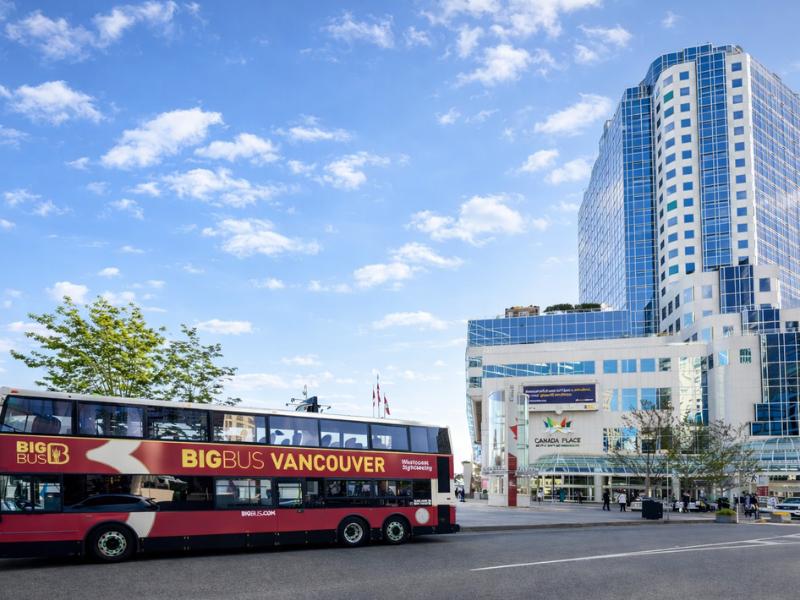
3-Day Vancouver Itinerary
3 days in Vancouver is enough to see the highlights - downtown, Granville Island, the North Shore, and Stanley Park. Here’s the smart way to plan it.
For a paid experience alongside this plan, Capilano Suspension Bridge Park Ticket adds rainforest bridges at your own pace.
Last updated: March 11, 2026
Quick Facts: 3 Days in Vancouver
| Ideal trip length | 3 full days (not counting arrival/departure day) |
| Best base neighbourhood | Downtown or West End for first-time visitors |
| Capilano Suspension Bridge admission | ~$73-$75 CAD adults (Verified March 2026) |
| Grouse Mountain admission (non-ski) | Buy online in advance to save; prices vary seasonally (Verified March 2026) |
| TransLink DayPass | $11.95 CAD (Verified March 2026) |
| Granville Island Public Market | Free entry; open daily |
| Stanley Park Seawall (bike loop) | ~10 km; 1-2 hrs by bike, 2-3 hrs walking |
| Capilano free shuttle | Departs from Canada Place and downtown hotels; included with ticket booking via select vendors |
| Peak hotel rates (summer) | $350-$450+ CAD/night downtown (August peak) |
Prices verified March 2026. Exchange rates fluctuate; all figures in Canadian dollars.
Is Three Days in Vancouver Actually Enough?
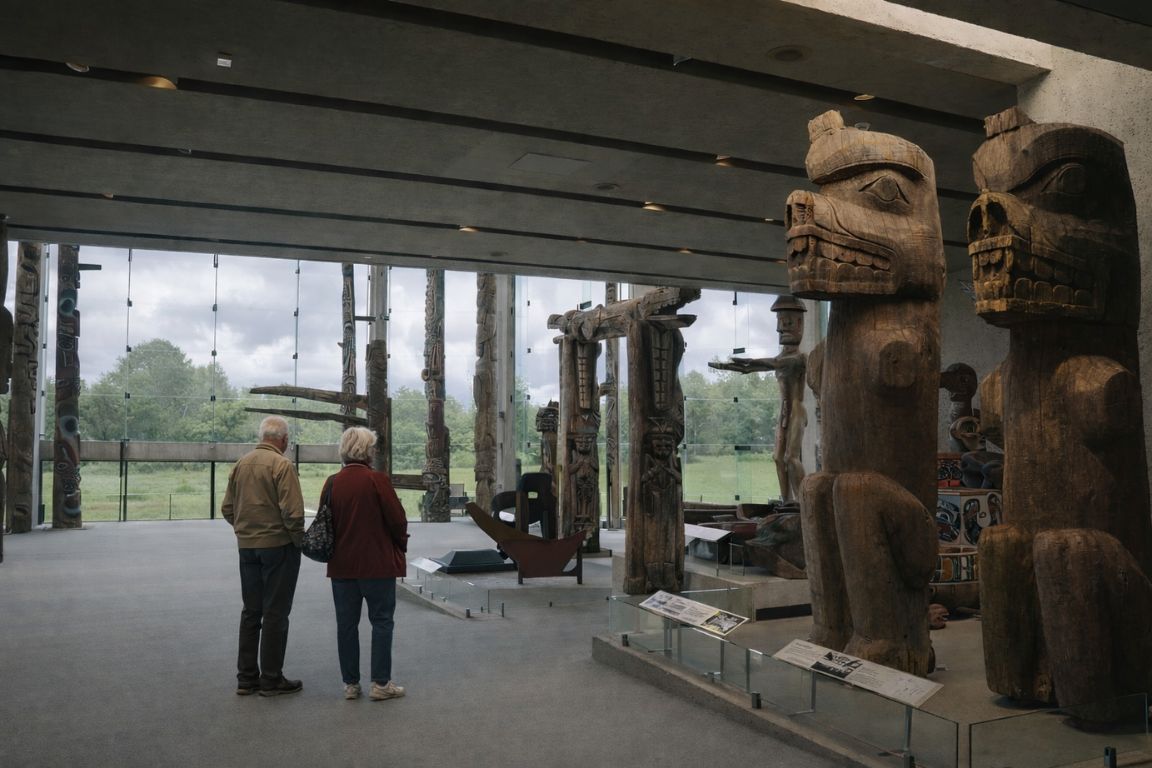 Yes, and here’s what that looks like honestly: you’ll cover the waterfront, Granville Island, Gastown, the North Shore (Capilano and Grouse Mountain), and Stanley Park. You won’t make it to Whistler, UBC, or Kitsilano in any real depth. Three days gives you Vancouver’s core confidently, not Vancouver completely. Most first-time visitors leave satisfied, not shortchanged.
The question I get most often from travelers who’ve just booked their flights is this: “Did we give ourselves enough time?” Three days is a genuinely good number for Vancouver. The city is compact. Most of what matters to first-time visitors sits within a 20-minute radius of downtown, and the transit system moves you around without forcing you to rent a car or guess which Uber surge is fair.
What you’re trading away is the slower stuff. The afternoon in Kitsilano nursing a coffee and watching the beach crowd. The UBC campus and Museum of Anthropology. A proper evening in Mount Pleasant getting into the local brewery scene. If those things matter to you, add a fourth day. If you’re working with three, what follows is how to use them well.
One thing to set straight before the itinerary: Vancouver days have a rhythm. Mornings are spectacular because the light hits the North Shore mountains from the east and the city looks like it was designed for the cover of a magazine. The worst time to arrive anywhere is late afternoon on a summer weekend when everyone else has the same idea. Build your days with mornings at the big draws and afternoons for the wandering.
Want to get the planning right? This breakdown of how to plan a trip to Vancouver Canada tours covers all the details most visitors only figure out after they’ve already arrived.
Day 1: How Do You Make the Most of Your First Day in Vancouver?
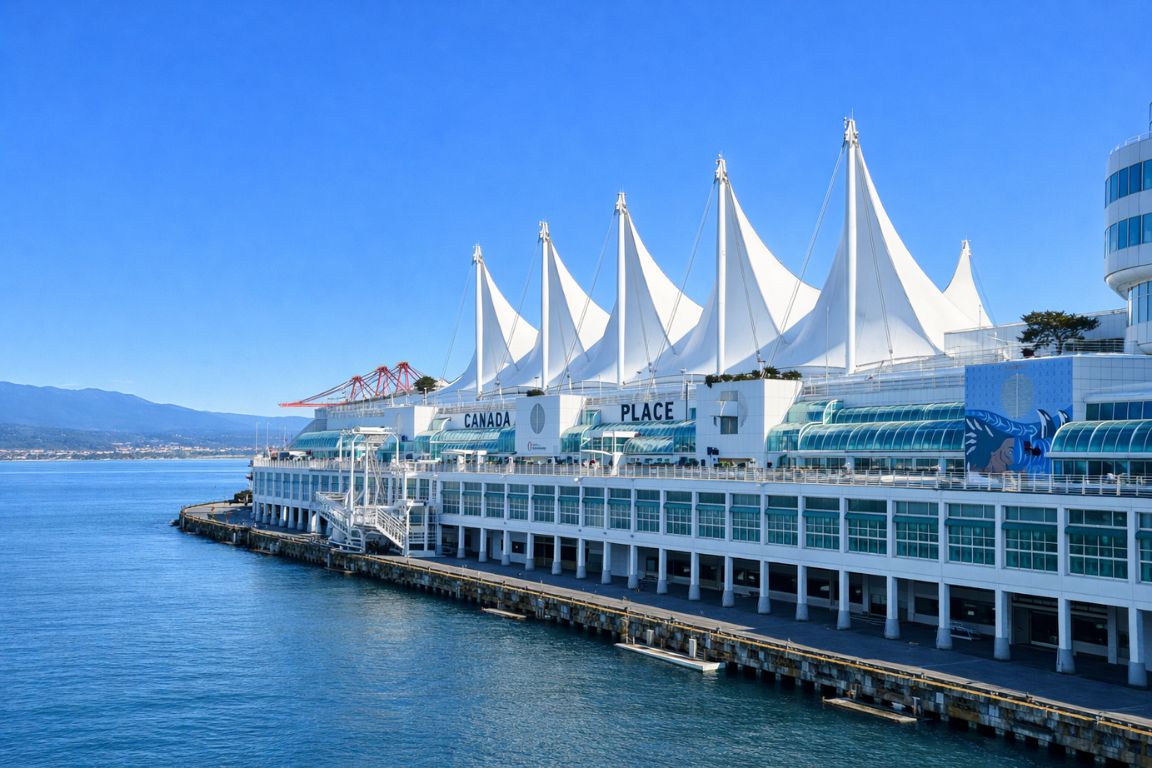 Start at the waterfront near Canada Place, walk west along Coal Harbour to the West End, then take the False Creek ferry to Granville Island for the afternoon. Finish in Gastown for dinner. This sequence covers the harbour, the market, and the city’s oldest neighbourhood in one logical loop without backtracking.
Morning at Canada Place sets you up. You can watch seaplanes take off from right there on the dock, which never gets old even if you’ve seen it a hundred times. The Olympic cauldron is nearby, the water taxis depart from the other side, and you’re already walking distance from the seawall heading toward Stanley Park.
Don’t rush to Stanley Park on Day 1. Save the full park experience for Day 3 when you’ve found your footing. Instead, walk Coal Harbour toward the West End, get a feel for the waterfront, and around late morning take the False Creek Aquabus across to Granville Island. The ferry is a five-minute ride and costs a few dollars. It’s one of the most underrated moments in the city, that short crossing where the whole downtown skyline shifts perspective behind you and suddenly the city feels like it belongs to the water.
Granville Island Public Market runs best before noon on weekdays. After that, especially in summer, the narrow aisles get genuinely hard to move through. Lee’s Donuts has had a line since before most visitors knew the market existed, and it’s worth joining once. The seafood vendors, cheese counters, and local bakeries are where you should spend most of your time and money. This isn’t a souvenir destination. It’s where Vancouverites actually shop.
After Granville Island, take the ferry to Olympic Village or walk along the False Creek seawall back toward downtown. In the late afternoon, head to Gastown. The steam clock goes off every quarter hour and tourists crowd around it, which is fine. What’s more interesting is everything on the streets around it: the old brick buildings, the independent design shops, the restaurant patios that fill up fast. For dinner, Gastown has some of Vancouver’s most interesting kitchens. St. Lawrence runs modern Québécois cuisine in a converted heritage space. Pidgin does Asian fusion that changes regularly. Either way, you’re eating well without having to explain yourself to a reservation app that treats a first-time visitor like an inconvenience.
If you’d rather let a guide handle the routing on Day 1 and spend your energy actually looking at things rather than navigating, our team at Vancouver Canada Tours runs exactly this sequence with insider stops and no backtracking. We’ve done this loop with thousands of first-time visitors since 2010.
If you want to skip the research, here are the best Vancouver city tours based on guide quality, what you actually see, and which neighborhoods they cover.
Day 2: What Should You Do on the North Shore?
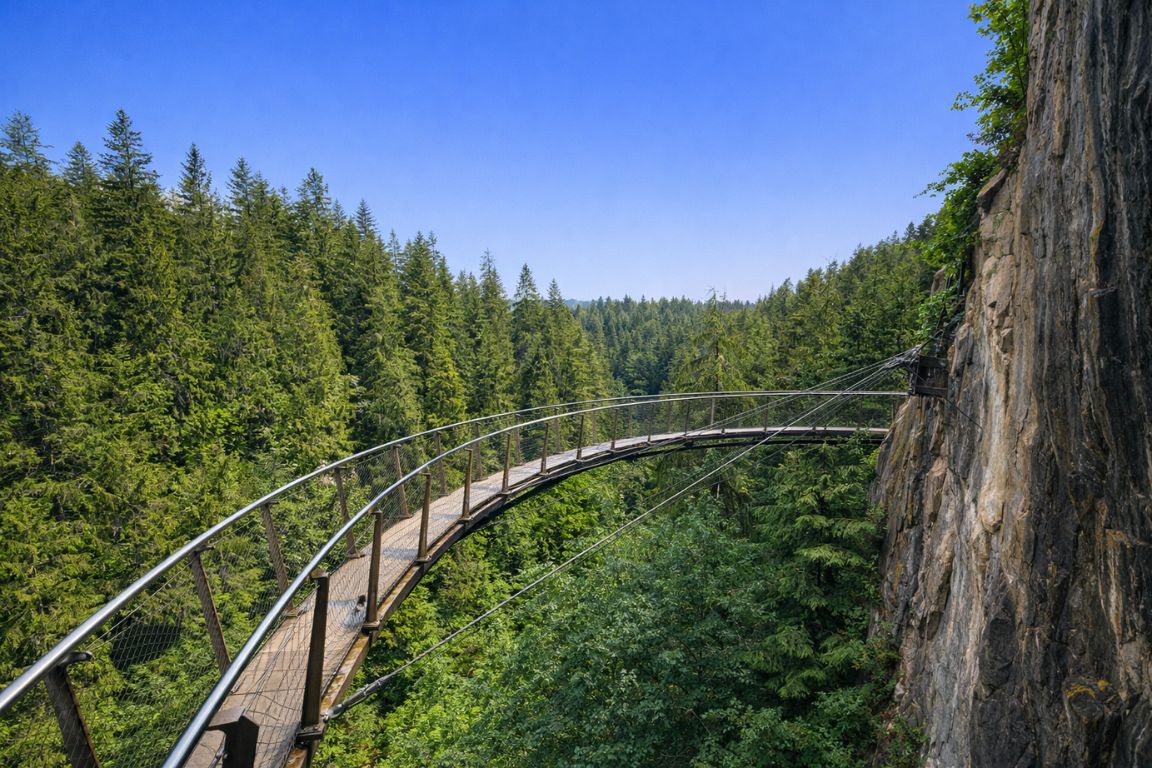 Day 2 belongs to North Vancouver. Capilano Suspension Bridge in the morning, Grouse Mountain in the afternoon. Plan at least 2 hours at Capilano and 2-3 hours at Grouse. Book both in advance, especially in summer. The free shuttle from downtown (included with Capilano ticket purchase through select vendors) removes the Lions Gate Bridge traffic problem entirely.
There’s a common mistake I watch travelers make on the North Shore, and it costs them the afternoon. They arrive at Capilano at 11am and spend 3.5 hours there because the park is genuinely absorbing: the 450-foot bridge that moves more than you expect, the Treetops Adventure walkways 110 feet up in the coastal canopy, the Cliffwalk clinging to the granite above the river. Then they’re tired and it’s 2:30pm and Grouse Mountain gets 90 rushed minutes instead of the time it deserves. Start Capilano at 9am. Seriously. The park is calmer, the light through the Douglas firs is better, and you’ll be on the Grouse Mountain gondola by early afternoon.
Capilano admission runs around $73-$75 CAD for adults as of early 2026. All three attractions (Suspension Bridge, Treetops Adventure, Cliffwalk) are included. The free shuttle departs from Canada Place and select downtown hotels, runs frequently, and handles the Lions Gate Bridge crossing so you’re not sitting in traffic. Book tickets in advance online; time slots sell out on summer weekends and you don’t want to arrive at the gate and find yourself stuck.
Grouse Mountain sits at 1,200 metres above the city. The gondola ride up takes about 8 minutes and the views of the Metro Vancouver skyline spreading south are the kind that make you stop talking mid-sentence. At the top you’ve got the grizzly bears (Grinder and Coola, resident since 2001 and still drawing crowds), the lumberjack show, birds of prey demonstrations, hiking trails, and in winter the ski runs and the outdoor skating rink that has one of the more unlikely settings in North America. Buy gondola tickets online in advance to skip the queue.
Getting between Capilano and Grouse isn’t as clean as it should be. There’s no direct public transit connecting the two. A rideshare takes about 10 minutes. If you’re doing both in one day without a car, the Capilano and Grouse Mountain 5-in-1 tour handles the transfer and is honestly worth the per-person premium just for the logistics relief.
We’ve rounded up the best day trips from Vancouver Canada tours so you’re not stuck wondering what’s actually reachable within a day and what’s worth the journey.
Day 3: How Do You Spend Your Last Day Without Feeling Rushed?
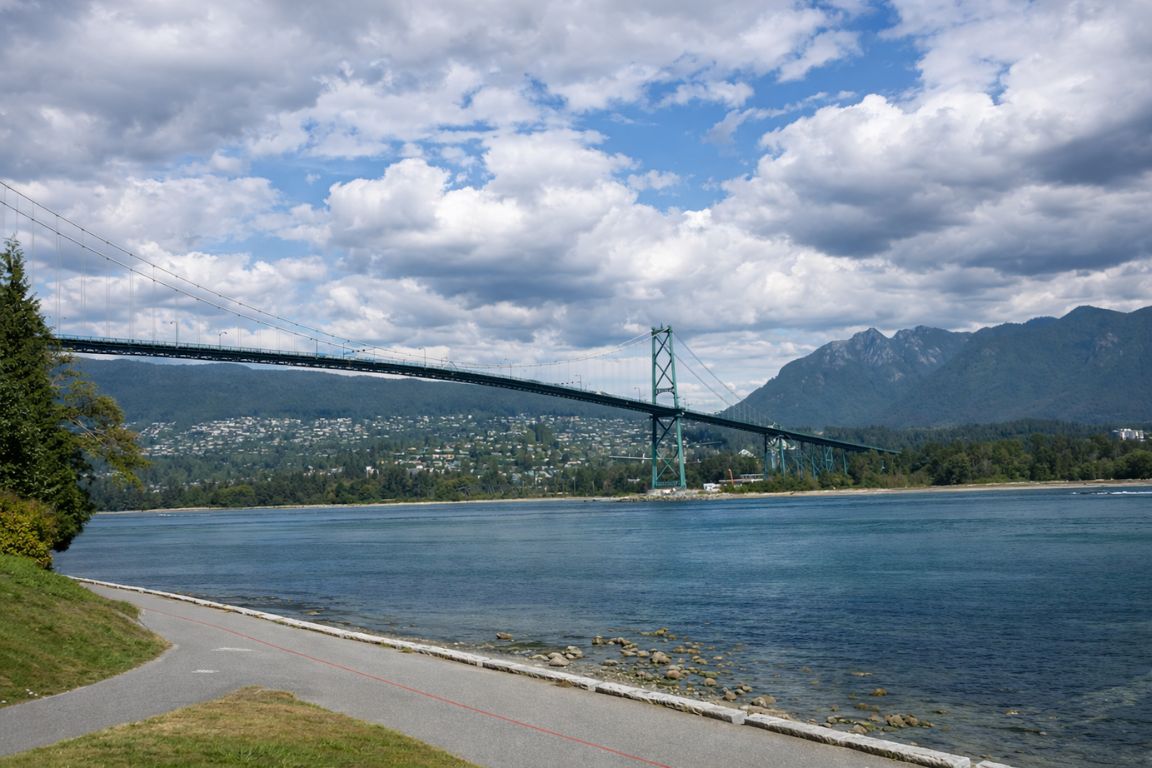 Day 3 is Stanley Park in the morning, English Bay in the afternoon, and whatever your first two days left unfinished. Rent a bike and do the Seawall loop (about 10 km, an hour by bike). That’s the one thing on this itinerary that genuinely can’t be replicated anywhere else in Canada.
Stanley Park on Day 3, not Day 1, is intentional. By now you know how Vancouver moves. You’ve been on the seawall in pieces. You understand the scale of the city. The park makes more sense once you have context for what you’re looking at: the North Shore mountains where you spent Day 2, the downtown buildings you’ve been walking between, Burrard Inlet stretching east toward the port.
The Seawall loop around Stanley Park is 8.8 kilometres. By bike, you’re looking at an hour of comfortable riding. By foot, it’s two to three hours. Either works. Bike rentals are available near the park entrance and cost roughly $8-15 CAD per hour depending on the operator. The Totem Poles at Brockton Point are worth stopping for: nine poles, most carved between the 1980s and 2009, representing several First Nations communities. The most recent was carved by Robert Yelton of the Squamish Nation and added in 2009. They’re not a photo backdrop. Take a few minutes and read the interpretive signs.
Prospect Point at the northwest tip of the park gives you the Lions Gate Bridge from above and the best open view of the inlet. If the weather is clear, this is where you’ll use the most phone storage. After the loop, cut south through the park toward English Bay and Second Beach. English Bay is one of Vancouver’s most beloved urban beaches, and the afternoon crowd in summer reflects that. The seawall continues along the beach, and you can walk all the way to Sunset Beach and across the Burrard Bridge to Kitsilano if you want to keep moving.
Afternoon is also the time to revisit anything the first two days didn’t allow. Chinatown is worth a quick wander, particularly the Dr. Sun Yat-Sen Garden. Yaletown has some of the best waterfront patios in the city for a late-afternoon drink. If you’re leaving the next morning and want a final meal that earns the memory, Miku on the waterfront does aburi sushi that has genuinely no bad seat in the house.
Questions about building this kind of day from scratch without a plan falling apart on you? Ethan and the team answer them daily. Start here.
Where Should You Stay for a 3-Day Vancouver Trip?
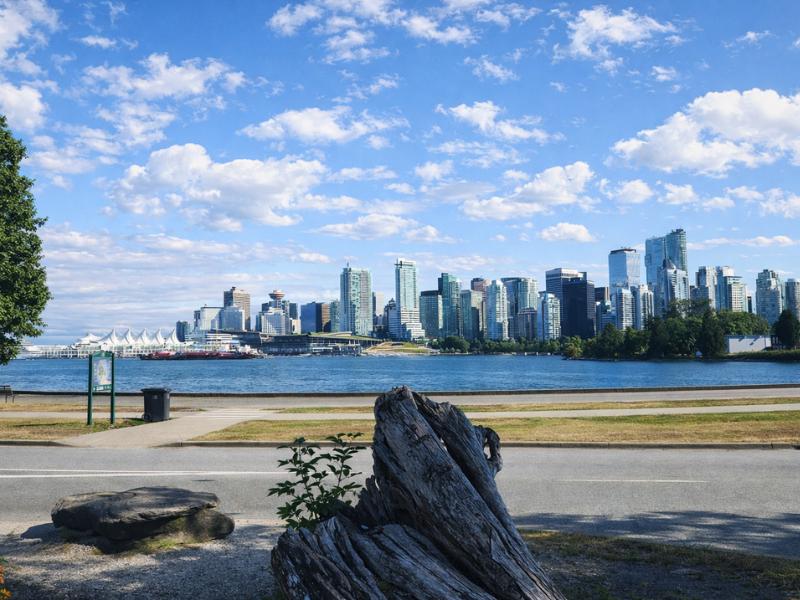
Downtown Vancouver and the West End are the two best bases for a three-day first visit. Downtown gives you the best SkyTrain access, walking distance to Canada Place and Gastown, and the most hotel options. The West End trades a bit of that central energy for quieter streets, cheaper rates on average, and a five-minute walk to Stanley Park’s entrance.
The West End is where I’d stay if I were visiting Vancouver for the first time with three days and no car. It sits at the edge of Stanley Park, it’s three minutes from English Bay, and it still connects you to downtown on foot or by bus in 10 minutes. The hotel rates run slightly lower than the core, and the neighbourhood has a genuinely residential feel that the financial district part of downtown lacks. Davie Village, right in the middle of the West End, is one of the most inclusive, lively parts of the city for an evening out.
If transit speed is the priority, Downtown proper puts you steps from Waterfront Station where the SkyTrain, SeaBus to North Vancouver, and multiple bus lines converge. For this three-day itinerary, that matters most on Day 2 when you’re heading to the North Shore and time in the morning is worth protecting.
One place to avoid as a first-time visitor base: anywhere east of Abbott Street near Gastown. The neighbourhood itself is great and worth spending time in, but the blocks between Gastown and Chinatown along East Hastings involve a visible concentration of homelessness and open drug use that can be jarring for visitors who aren’t used to it. The city is working on it. It’s been working on it for a long time. But it’s there, and a hotel in Gastown’s western blocks is fine while one deep in the DTES edge is not the welcome most visitors want on arrival night.
What Should You Eat During Three Days in Vancouver?
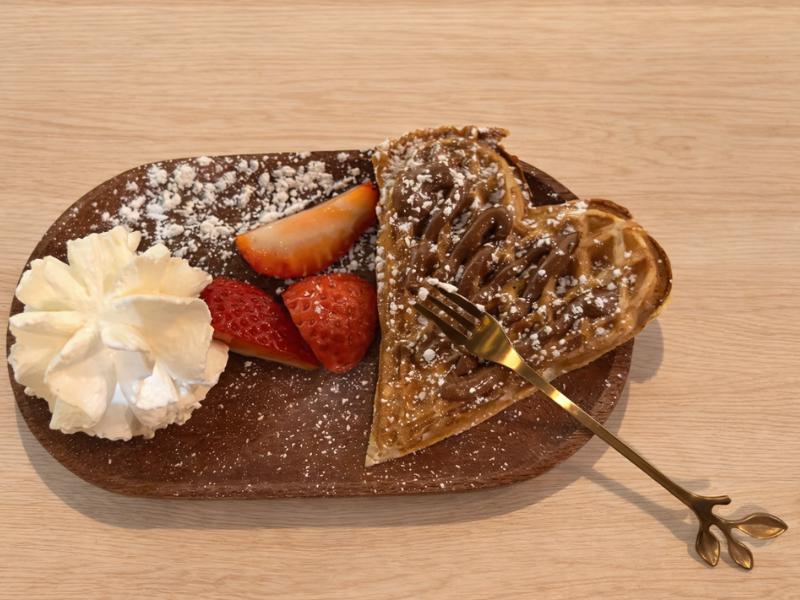
Vancouver’s food identity is built on Pacific seafood, Japanese and Japanese-influenced cuisine (particularly sushi and ramen), and exceptional Chinese cooking, especially in Richmond. For three days, the non-negotiable meals are: aburi sushi (Miku or Minami), ramen (Ramen Danbo or Marutama), and at least one Granville Island lunch. Everything else is negotiable.
The California roll was invented in Vancouver, credited to chef Hidekazu Tojo, whose restaurant Tojo’s still operates downtown. Whether or not you care about that particular piece of culinary history, the sushi here is categorically better than almost anywhere in North America outside of the obvious major cities. Not because of that origin story. Because Vancouver has had serious Japanese culinary culture for decades, the fish is fresh, and the competition keeps standards high.
Aburi sushi, the flame-seared style, is a Vancouver specific thing worth seeking out. Miku on the waterfront is the most famous room for it. Minami in Yaletown was the first restaurant to bring the technique to Canada. Both are worth a dinner reservation, and both are full most evenings, so book a couple of days ahead.
For ramen, the West End and downtown are saturated with options. Marutama on Bidwell Street runs a chicken broth that locals are defensive about. Ramen Danbo in Kitsilano is Fukuoka-style tonkotsu with fully customizable noodle thickness and broth intensity, which sounds like a gimmick until you’ve eaten there and understand why it fills up every single night. Hokkaido Ramen Santouka on Robson is smaller and quicker to fill; go early.
The Granville Island Public Market lunch is worth doing properly on Day 1. Not a rushed purchase between attractions. Actually stop. Get the freshest thing you can find, take it to the outdoor tables by the water, and watch the False Creek ferries work the crossing. That’s a Vancouver lunch. The 2025 Michelin Guide listed 76 Vancouver restaurants across 22 cuisine types, so if you’re the kind of traveler who builds an itinerary around specific meals, you have a reliable shortlist to work from.
One honest food note for visitors from the US: Vancouver is expensive by North American standards. A good dinner for two with wine will run $120-$180 CAD before tax and tip. Budget accordingly, or lean into the lunch version of places that go quieter and cheaper before 5pm.
How Do You Get Around Vancouver on a 3-Day Itinerary?
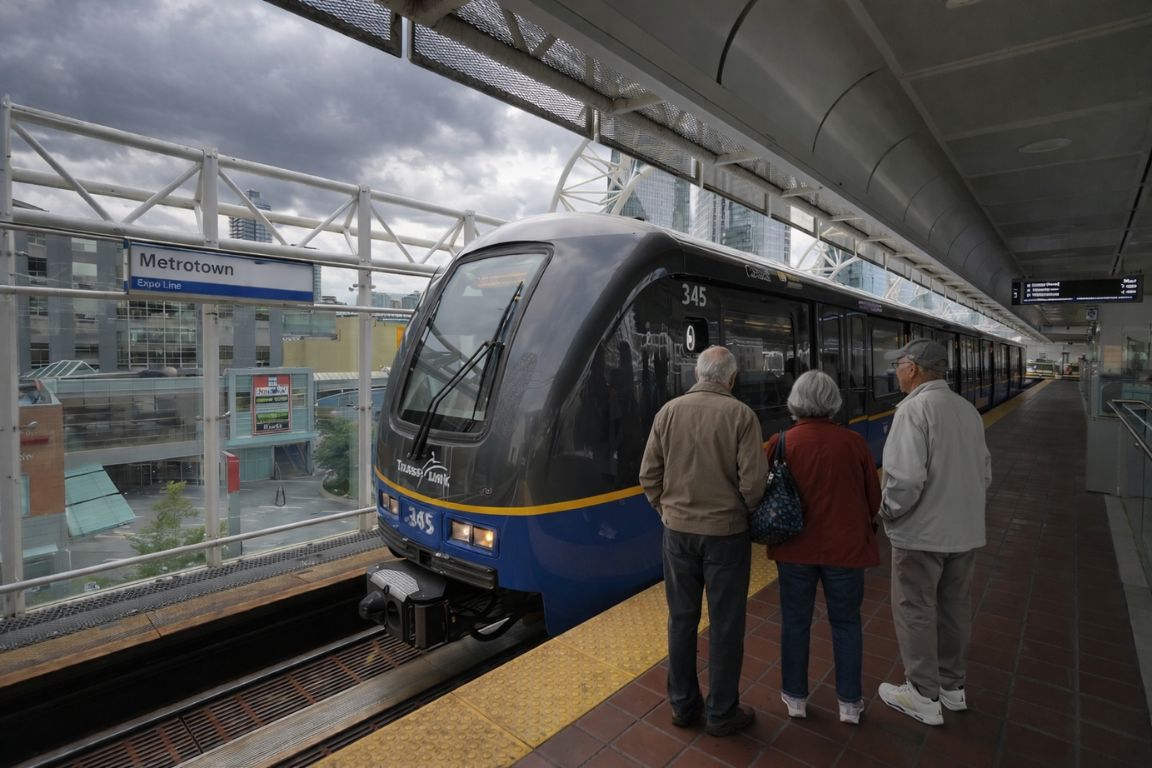
 You don’t need a car for this itinerary. TransLink covers the downtown core well, the False Creek ferries handle the Granville Island crossing, and the Capilano free shuttle handles the one logistically annoying North Shore transfer. A TransLink DayPass at $11.95 CAD covers unlimited SkyTrain, bus, and SeaBus travel for 24 hours. Buy it for Day 2 at minimum.
The Canada Line connects Vancouver International Airport to downtown in about 25 minutes for $8.85 CAD stored value (includes the $5 YVR surcharge for passengers leaving the airport). If you’re arriving by air, you don’t need a taxi. Take the train.
Day 1 is mostly walkable from a downtown or West End base. The False Creek ferry to Granville Island costs a few dollars one-way and is far more practical than any other crossing option. Day 2 involves either the Capilano free shuttle (book when you buy your bridge ticket) or a combination of SeaBus and North Shore buses. Day 3 is Stanley Park and English Bay, both walkable from the West End or a short bike ride from anywhere downtown.
Rideshare (Uber and Lyft both operate in Vancouver) fills the gaps the transit system doesn’t cover cleanly, particularly the connection between Capilano and Grouse Mountain on Day 2. Budget $15-$25 CAD for that specific transfer and you’ll be fine.
If you’re skipping the rental, here’s the complete breakdown of Vancouver Canada tours without a car so you understand SkyTrain, buses, and what’s walkable.
Recommended tours by season
Four bookings that map onto a short Vancouver stay, depending on when you visit.
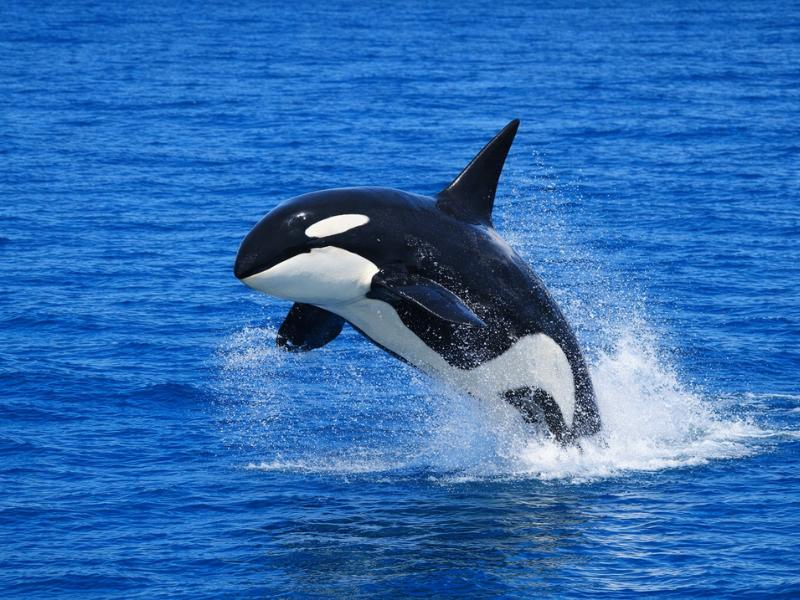
Vancouver Whale Watching Adventure – Half-Day Tour & Free Photo Package
Summer. Leaves from downtown and takes about five hours, with a naturalist on board.
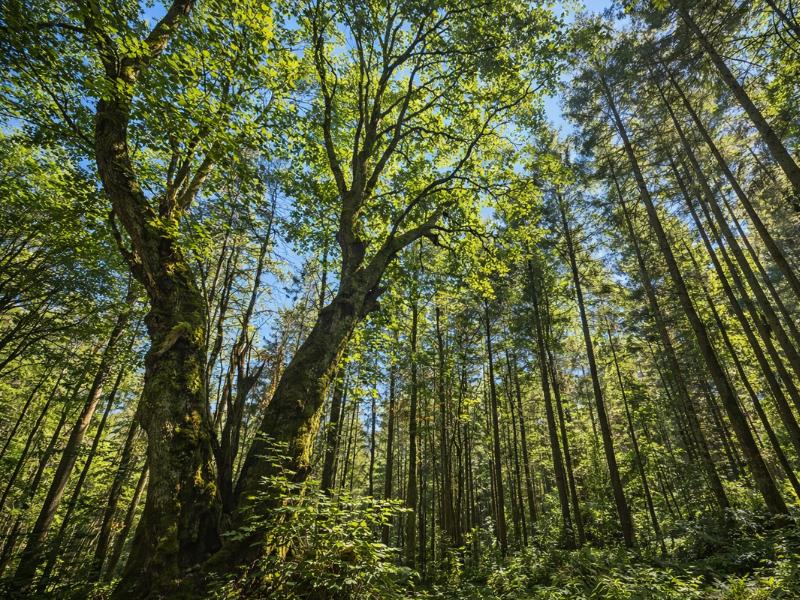
Discover Vancouver’s Ancient Trees – Guided Nature Walk
Fall. A three-hour guided walk if you want forest time without a full North Shore schedule.
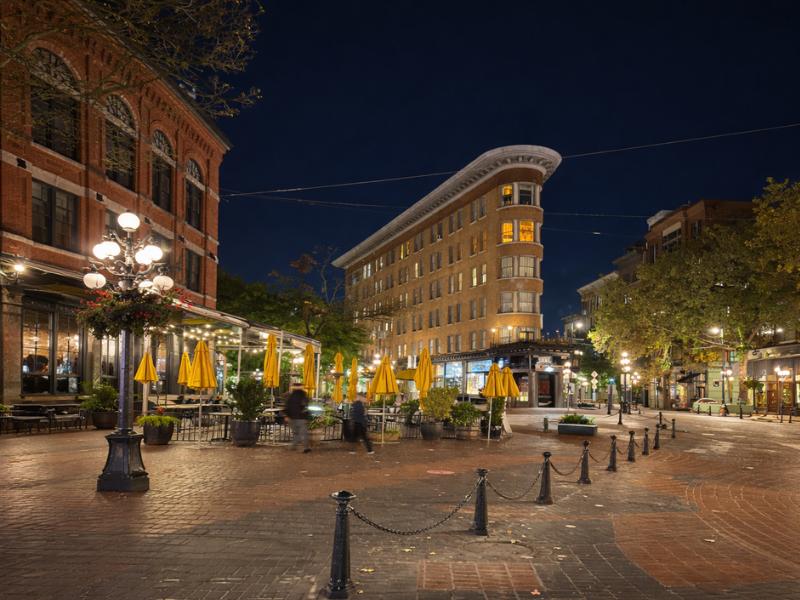
Gastown Lost Souls Walking Tour – Vancouver’s Dark History
Winter. About one hour in Gastown after dark, once dinner is done.
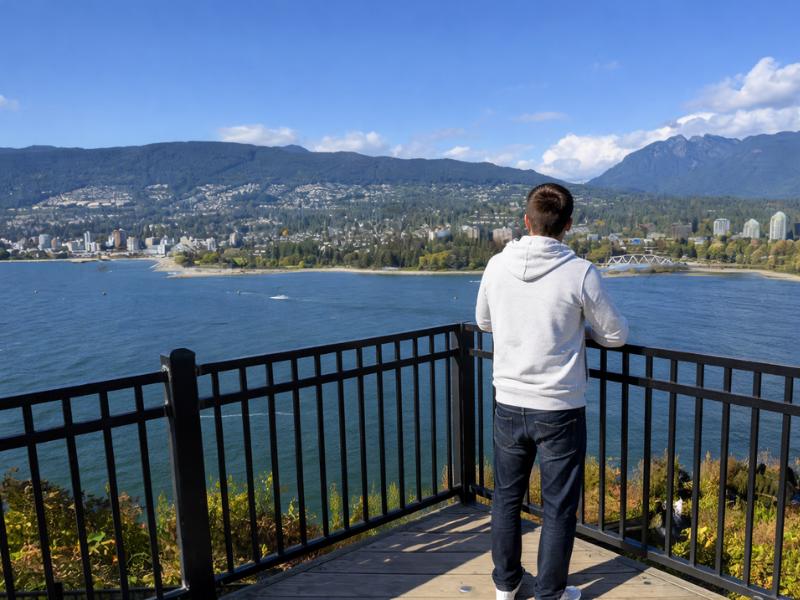
Capilano, Grouse Mtn, Dam, Lake & Salmon Hatchery 5-in-1 Small Group Adventure
Day 2, any season. Capilano, Grouse Mountain, and the in-between transfer on one small-group ticket. About 6 hours.
What Do Most People Get Wrong About a Short Vancouver Trip?
 The most common mistake is trying to add a day trip to Whistler or Victoria to a three-day Vancouver itinerary. Both destinations are spectacular. Neither fits cleanly into three days without gutting what makes Vancouver worth coming to in the first place. Save them for a four or five day trip.
After guiding thousands of visitors through this city, the patterns in what goes wrong are remarkably consistent. Here are the ones that come up most:
Booking the North Shore attractions on the last day. People feel like Capilano and Grouse are somehow a reward to save for the end. The problem is that the last day often has a flight or a checkout complicating timing, and these attractions need a full relaxed morning. Put them on Day 2 when you have nothing to rush toward afterward.
Underestimating the Capilano Park itself. First-time visitors look at the map and think they’re buying a ticket to walk across one bridge. What you’re actually entering is a full park with three distinct experiences: the suspension bridge, Treetops Adventure through the rainforest canopy, and Cliffwalk on the granite cliff face. Two hours is a minimum. Three is better. Plan for it.
Skipping the North Shore entirely because it looks complicated. The SeaBus takes 12 minutes and is genuinely one of the more enjoyable transit rides in Canada. Capilano’s free shuttle handles the rest. The logistical anxiety around “getting to North Vancouver” is far larger than the actual logistics.
Spending Day 1 entirely in Stanley Park. The park is magnificent and deserves time. But first-time visitors who spend their entire first day there often miss the city’s neighbourhoods, the ferry crossing, and the Gastown evening. Stanley Park is best when you’ve had a day to understand what’s around it.
Forgetting that rain is not a problem. Vancouver gets a reputation for weather. Locals don’t own umbrellas; they own good rain jackets. The city functions beautifully in drizzle. The Capilano rainforest is more atmospheric when it’s misting. Granville Island’s covered market doesn’t care what the sky is doing. Don’t let a forecast derail a day.
We’ve been solving these exact problems for travelers since 2010. If you’d like a guided version of this three-day itinerary where the timing, transfers, and hidden stops are all handled for you, our Vancouver Canada Tours team is here to make it happen.
How Our Travelers Spend 3 Days in Vancouver
Based on our 2025 client group and booking patterns from over 11,400 travelers guided since 2010, here’s how a typical three-day first-time visitor actually distributes their time:
| Granville Island Public Market | 80-95% | 1.5-2.5 hrs |
| Capilano Suspension Bridge | 65-85% | 2-3 hrs |
| Grouse Mountain | 50-75% | 2.5-3.5 hrs |
| Stanley Park Seawall (bike or walk) | 85-95% | 1.5-3 hrs |
| Gastown evening | 70-85% | 2-3 hrs |
| Aburi sushi dinner (Miku/Minami) | 40-60% | 1.5-2 hrs |
| False Creek ferry crossing | 75-90% | 20-30 mins total |
Data sourced from Vancouver Canada Tours client activity records, 2025 season.
3-Day Vancouver Itinerary at a Glance
| Day 1 | Canada Place waterfront, Coal Harbour walk, False Creek ferry to Granville Island | Granville Island Public Market; Aquabus to Olympic Village or seawall walk back | Gastown: Steam Clock, dinner (St. Lawrence or Pidgin) |
| Day 2 | Capilano Suspension Bridge (arrive 9am via free shuttle from Canada Place) | Grouse Mountain: gondola, grizzly bears, views, lumberjack show | North Vancouver waterfront OR SeaBus back for dinner in downtown/West End |
| Day 3 | Rent a bike; Stanley Park Seawall loop (10 km); Totem Poles at Brockton Point; Prospect Point | English Bay, Second Beach; optional: Chinatown / Dr. Sun Yat-Sen Garden | Miku or Minami for aburi sushi; walk English Bay at sunset |
Frequently Asked Questions: 3 Days in Vancouver
Is 3 days enough to see Vancouver?
Three full days covers Vancouver’s major highlights comfortably. You’ll get the waterfront, Granville Island, Gastown, the North Shore mountains, and Stanley Park. What you won’t have time for is Whistler, Victoria, UBC, or the deeper neighbourhood exploration. Most first-time visitors find three days satisfying rather than rushed, as long as the itinerary is logical and not overloaded.
Do I need a car for 3 days in Vancouver?
No. Vancouver’s transit system, the False Creek ferries, and the Capilano free shuttle cover everything in this itinerary. A TransLink DayPass ($11.95 CAD) handles unlimited bus, SkyTrain, and SeaBus travel for 24 hours. Rideshare fills any gaps. Parking downtown is expensive and largely unnecessary for visitors staying in the core.
When should I book Capilano Suspension Bridge?
Book in advance, especially for summer visits. Time slots fill up on weekends and the park does have capacity limits. Booking online also saves a few dollars compared to gate pricing and typically includes access to the free downtown shuttle service.
Where is the best area to stay for a first visit to Vancouver?
Downtown or the West End for most first-time visitors. Downtown gives you the best transit connections and walking access to Canada Place, Gastown, and the waterfront. The West End is quieter, slightly cheaper on average, and puts you five minutes from Stanley Park’s entrance. Both work well for this three-day itinerary.
What should I eat that I can only get in Vancouver?
Aburi sushi (flame-seared; Miku and Minami pioneered it in Canada), spot prawns in season (May through early summer), and BC wild salmon in any of its preparations. The Granville Island Public Market is the most Vancouver-specific food experience for its combination of local vendors, fresh seafood, and the False Creek setting.
Should I do Whistler as a day trip from Vancouver in 3 days?
Only if you’re genuinely prioritizing Whistler over Vancouver itself. The Sea to Sky Highway drive is spectacular, and Whistler is a world-class destination. But a proper Whistler day trip takes at least 8 hours door-to-door, and it essentially replaces a Vancouver day rather than adding to it. If you have three days and Whistler matters more than one Vancouver day, go. Otherwise, save it for a longer trip or next time.
Plan Your 3 Days in Vancouver with a Local Guide
We’ve been showing first-time visitors the real Vancouver since 2010. Over 11,400 travelers have used our local knowledge to build trips that don’t waste a single morning. If you’d rather have someone else handle the timing, the transfers, and the table that’s actually worth booking, let us show you Vancouver the way we’d show our own guests.
Written by Ethan James CarterCanadian tour guide since 2010 · Founder, Vancouver Canada Tours
Ethan has guided over 11,400 travelers through Vancouver, the North Shore mountains, and British Columbia’s coast since founding the agency.
Choose the experience that fits your trip
Our starting recommendation; confirm your party’s needs and travel date.
Compare alternatives and adjust the recommendation
| Experience | Why pay for it | Time and practical limits |
|---|---|---|
| Capilano Suspension Bridge Park Ticket | Suspension Bridge, Treetops Adventure and Cliffwalk admission. | 180 min planning window Food and paid parking extra; walking and heights involved. |
| Vancouver City Highlights Tour | Guided city tour including Stanley Park and Granville Island. | 210 min planning window 3.5 hours; meals and attraction purchases extra. |
| Stanley Park Ancient Trees Walk | Guided exploration of ancient trees using historic maps and photographs. | 150 min planning window Walking required; this is not an Indigenous-led tour. |
| Whistler And Sea to Sky Day Trip | Shannon Falls, Sea to Sky Gondola admission and Whistler on a guided coach day. | 630 min planning window 10 hours plus check-in; moderate walking. No luggage or YVR drop-off; not a ski package. |
Compare your own quotes in CAD
Use totals for the same people, date and inclusions. Add transport, tickets and taxes to the independent plan.
Check your date before arranging the rest of your day
Capilano Suspension Bridge Park Ticket
Suspension Bridge, Treetops Adventure and Cliffwalk admission.
North Vancouver park; complimentary downtown shuttle, first come first served. Food and paid parking extra; walking and heights involved.
Choose a date to see scheduled departures. Availability and final price are confirmed on Viator.
Your date is a planning check; select it again on Viator to confirm your booking.