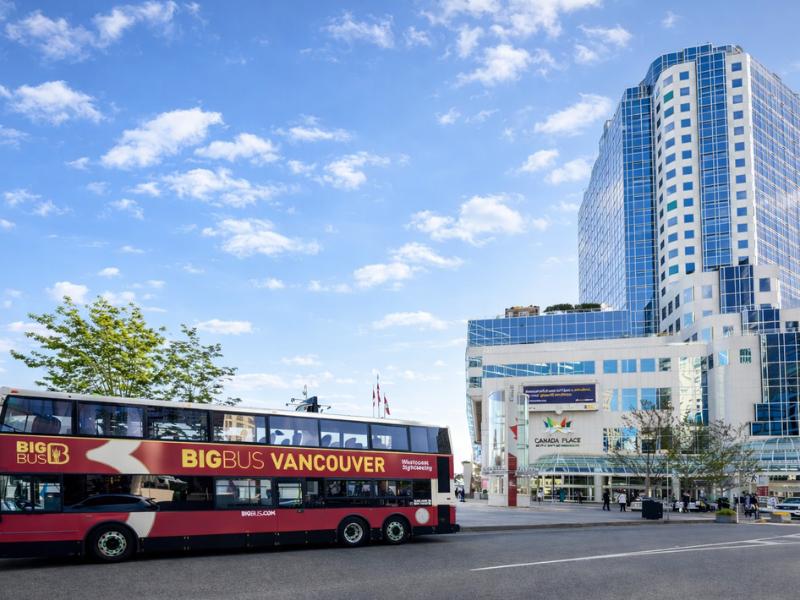
Best Time to Visit Vancouver
Best time to visit Vancouver? September wins - great weather, fewer crowds, lower prices. Summer is sunny but pricey; spring offers blossoms and value.
For a paid experience alongside this plan, Whistler And Sea to Sky Day Trip adds a sea to sky day without driving.
Last updated: March 11, 2026
Vancouver Seasonal Quick Facts
| Summer (Peak) | June-August | 19-22°C (66-72°F) | 7-10 days | $300-$420+ CAD/night downtown |
| Fall (Shoulder) | September-November | 12-19°C (54-66°F) | 8-14 days | $180-$260 CAD/night (post-Labour Day) |
| Winter (Low) | December-February | 5-8°C (41-46°F) | 15-19 days | $150-$200 CAD/night |
| Spring (Shoulder) | March-May | 10-17°C (50-63°F) | 10-14 days | $180-$240 CAD/night |
Prices verified March 2025. Temperature data based on Environment Canada 1991–2021 climate normals. Hotel rates reflect downtown Vancouver average daily rates; actual prices vary by property and advance booking window.
What Is the Best Month to Visit Vancouver Overall?
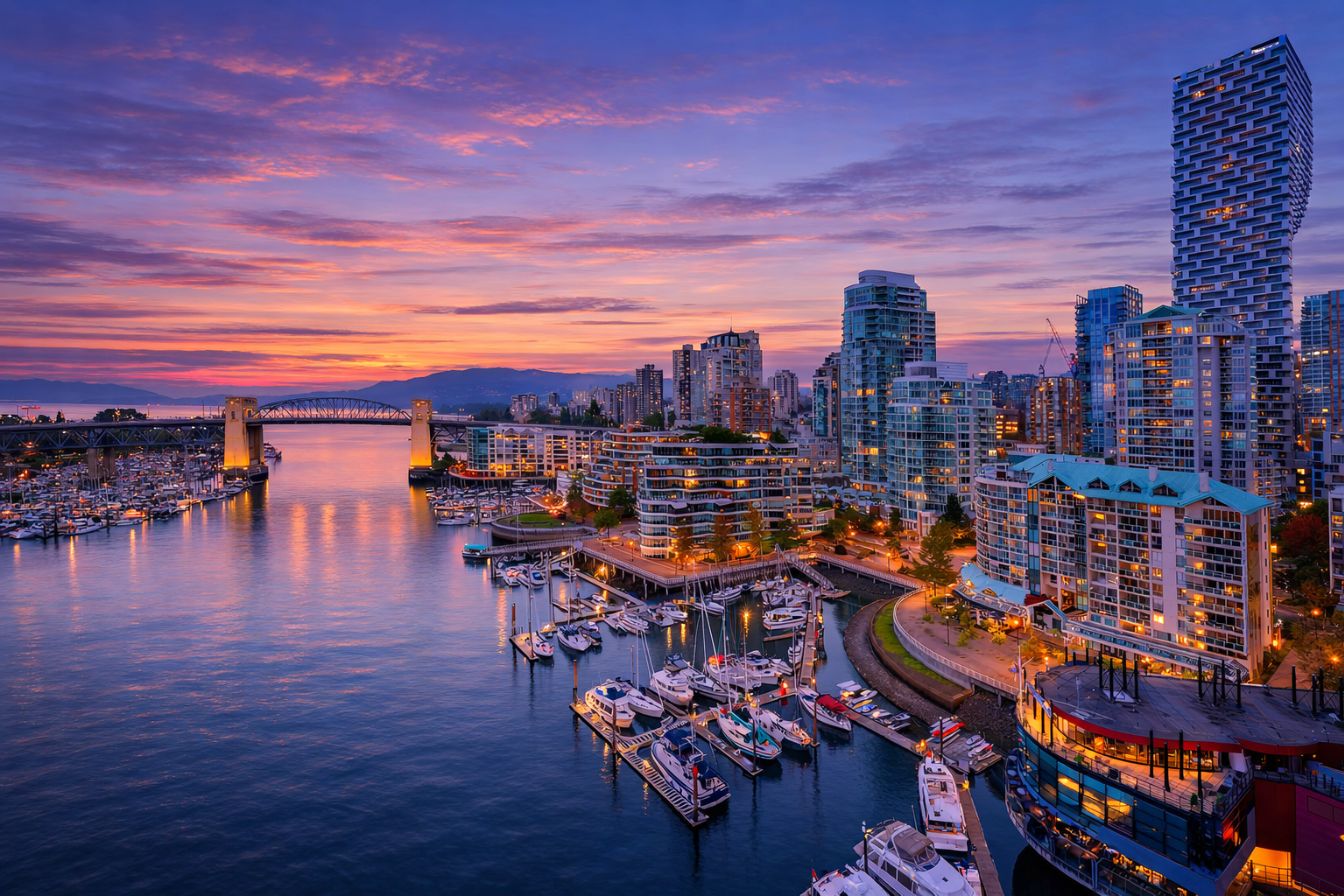 September is the best single month to visit Vancouver. The weather still runs warm, with average highs around 19°C (66°F) and only eight rainy days on average. The summer crowds have thinned, hotel prices drop sharply after Labour Day, and the Sea to Sky Highway starts showing the first colour changes of fall. For outdoor activities, hiking, and day trips, September consistently delivers the best combination of conditions and value.
Ask any Vancouver local which month they’d choose for a first-time visitor and most will say September without much hesitation. July and August get the press, but September is what the summer promises and often can’t deliver. The light is softer, the trails are drier than they’ve been all year, the lineups at Capilano are manageable again, and there’s a feeling in the city that the place is exhaling after three months of maximum-effort tourism.
The hitch with September is that you’re still in peak hotel territory for the first two weeks. Cruise ship season runs through September, and Labour Day weekend sits at the beginning of the month. Book the third or fourth week of September and you get summer weather at something approaching shoulder-season prices. That gap, the last ten days of September, is the most underused window we see among the 11,400 travelers we’ve guided through this city.
If a single month won’t do and you want a season, June through early October gives you Vancouver at its best. June can be unpredictable, July and August are reliable and expensive, and September and early October are the local’s secret. October is a different proposition, with rain picking up significantly and temperatures dropping to the 14°C range. Still pleasant, still doable, but a different trip than September.
If you already know September is your window, check dates for the Sea to Sky Gondola tour to Whistler — that corridor is where the first colour shows up.
We’ve mapped out how to plan a trip to Vancouver Canada tours based on what actually matters – weather timing, must-see spots, and how to navigate the city efficiently.
What Is Vancouver Like in Summer, and Is It Worth the Crowds?
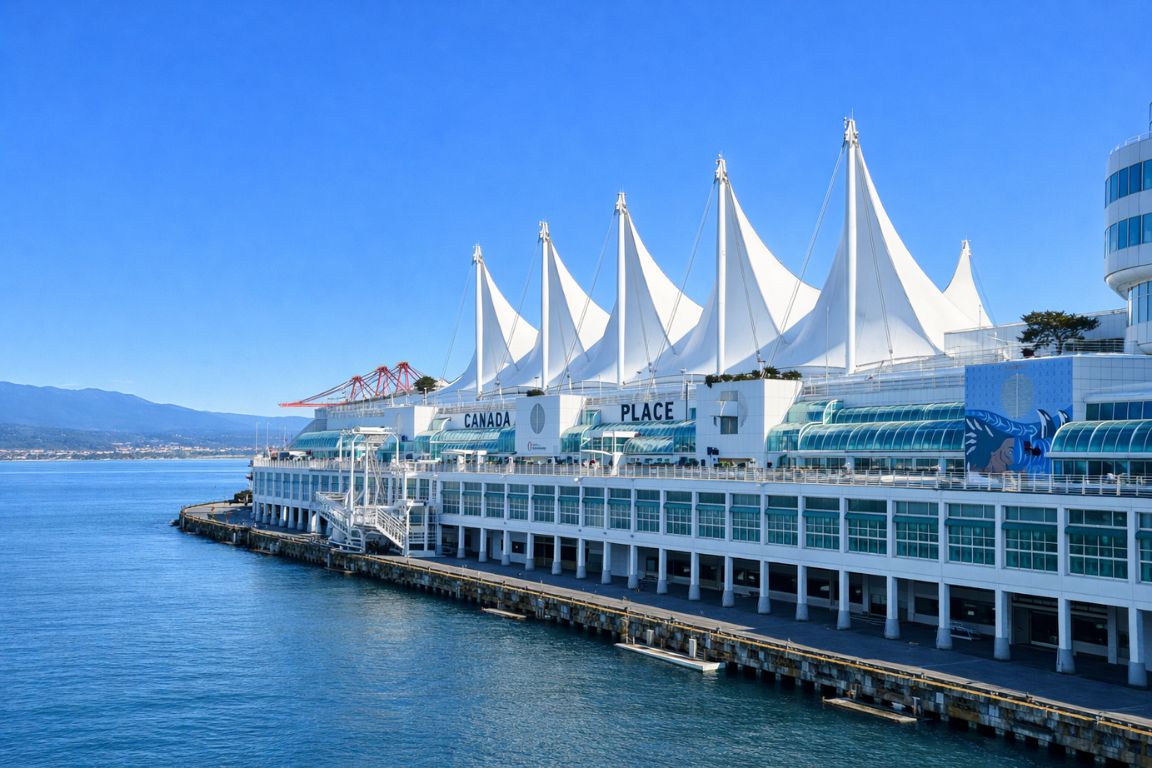 Summer in Vancouver runs from late June through early September and gives you the city’s longest days (up to 16 hours of daylight in June), driest weather, warmest temperatures, and its entire festival calendar. July averages just 9 rainy days and daily highs around 22°C (72°F). The downsides are real: Vancouver now has the highest hotel rates in Canada during peak summer, wildfire smoke from BC’s interior can arrive unpredictably in July and August, and the most popular attractions have genuine crowds. Book at least three weeks ahead, ideally more.
There’s a version of July in Vancouver that is genuinely one of the best urban experiences in North America. You wake up to clear mountain views over the inlet, walk the seawall before the tour buses arrive, eat lunch on a Granville Island patio with the water right there, and then watch the light on the North Shore peaks go golden at 9pm. That version exists. It just requires booking ahead, knowing which parts of the city to avoid at 2pm on a Saturday, and having some flexibility for when the smoke days roll in.
The wildfire smoke issue is worth taking seriously. In 2023 and 2024, BC interior fires sent smoke into the Lower Mainland multiple times during July and August. The City of Vancouver operates air quality monitoring and issues advisories when conditions are poor. This doesn’t cancel a Vancouver trip, but it does mean that anyone building an itinerary around outdoor activities should have a flexible plan and know which indoor options to pivot to. The Museum of Anthropology at UBC, the Vancouver Art Gallery, and Granville Island’s covered market are all good smoke-day options.
Downtown hotel rates hit a record average of over $420 CAD per night in August 2024. Occupancy regularly exceeds 90% in peak summer. Book early or consider Airbnb alternatives, which averaged around $200 CAD per night for a one-bedroom in summer 2025, about 40% below the hotel rate. The cruise ship season runs May through September, adding up to 1.2 million visitors to the city in 2025, concentrated at the Canada Place terminal and radiating into Gastown and downtown.
Summer also brings the city’s full event calendar: Vancouver Jazz Festival (late June), Folk Music Festival (July), Celebration of Light fireworks competition (July-August), Pride Weekend (late July/early August), and Bard on the Beach Shakespeare through September. These events are worth planning around, not avoiding.
Want to get into BC’s wilderness? I’ve mapped out the best nature tours from Vancouver Canada tours so you know which ones deliver real outdoor experiences versus just scenic viewpoints.
Is Spring a Good Time to Visit Vancouver?
Spring, specifically late March through May, is Vancouver’s best-value window. Hotel rates run 30-50% lower than peak summer. Cherry blossom season peaks in late March to mid-April across thousands of street trees throughout the West End, Kerrisdale, and VanDusen Botanical Garden. Whale-watching season opens in March, with orca sightings increasing through April and May. The trails are wetter than summer but accessible, and the city is not yet crowded.
Vancouver’s cherry blossom season has become a serious draw in its own right. Roughly 40,000 cherry trees bloom across the city between late March and mid-April, depending on the year and the neighbourhood. The West End blocks between Davie and Robson are particularly dense. VanDusen Botanical Garden runs into rhododendrons and azaleas through May. For anyone who wants the sensory thing, that brief three-to-four week window when the trees go fully pink is one of the more remarkable things the city does.
The weather in April is genuinely comfortable for most of what Vancouver offers. Temperatures sit in the 12-15°C range. You’ll encounter rain, sometimes several days running, but rarely the sustained grey weeks that define November and January. Pack a waterproof layer and treat rainy mornings as an excuse for coffee and the public market before the afternoon clears.
May is the pickup month. Temperatures climb closer to 17°C, the days get noticeably longer, spot prawn season opens (a local seafood highlight that runs six to eight weeks and is worth planning around), and the city starts to feel like its summer self without the summer prices. Some years, May is nearly as good as July. Other years it rains consistently until the third week. The Pacific Northwest does what it likes.
Curious about whale watching from the city? Our guide to Vancouver whale watching tours covers which companies to book, when to go, and what you’ll actually see versus what’s promised.
For a spring day that still works if the weather turns, there is a three-hour guided walk among Vancouver’s ancient trees that stays under the canopy.
What Happens in Vancouver in Fall, and Why Locals Love It?
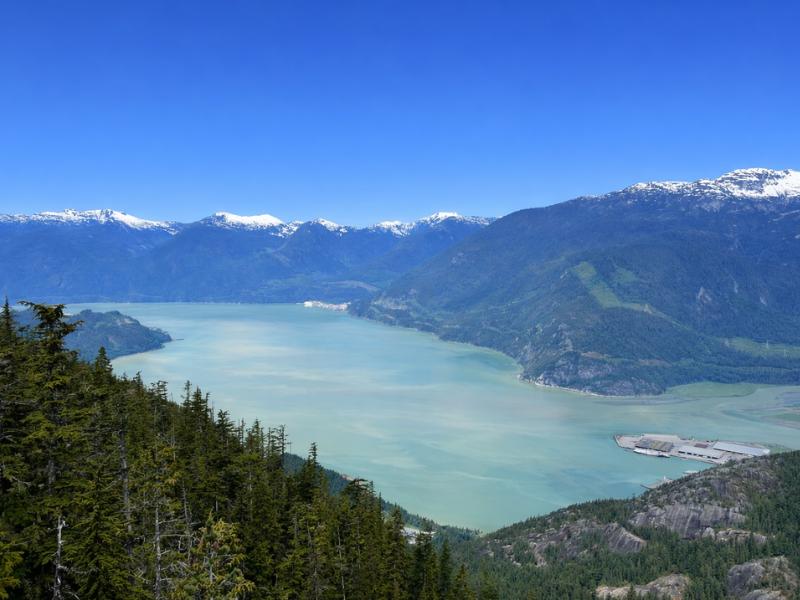
Fall in Vancouver means September’s lingering warmth, October’s colour change in Stanley Park and the North Shore, the Vancouver International Film Festival (late September to mid-October), and the return of the city to something closer to its everyday self. Prices drop after Labour Day. The trails dry out after any early-October rain and stay good for hiking through most of the month. November is when the real winter weather arrives, so the window is September 1 to roughly October 20.
Locals tend to love early fall in a way that’s hard to explain to someone who’s only visited in summer. The energy changes. Patios empty a little. The seawall has space again. The mountains get their first dusting of snow on the upper elevations in October, which makes the view from the city noticeably different, and the fall colour in Stanley Park peaks somewhere between mid-October and early November depending on the year.
The Vancouver International Film Festival runs for 16 days from late September into October and draws around 150,000 attendees. It’s one of the largest film festivals in North America. The Vancouver Writers Fest follows in late October. These are largely local-audience events, not major tourist draws, which is part of what makes them good. The city is doing its own thing and you can join it rather than being directed through it.
The fall hiking window is particularly good for the Sea to Sky corridor. The Stawamus Chief, the Sea to Sky Gondola, and the trails around Squamish are all better in September and October than in peak July, when the parking lots fill before 9am on weekends and the gondola queues are long. September weekdays on the Sea to Sky Highway feel almost private by comparison.
October is a swing month. The first two weeks can still be lovely. The last two weeks can bring real rain and temperatures that drop into single digits overnight. November crosses into what most people would fairly call the rainy season, with an average of 14 rainy days and precipitation of around 120mm. Still navigable, still worth the visit if your goal is indoor culture and Whistler skiing, but a different kind of trip.
Vancouver Month by Month: What Each Month Is Actually Like
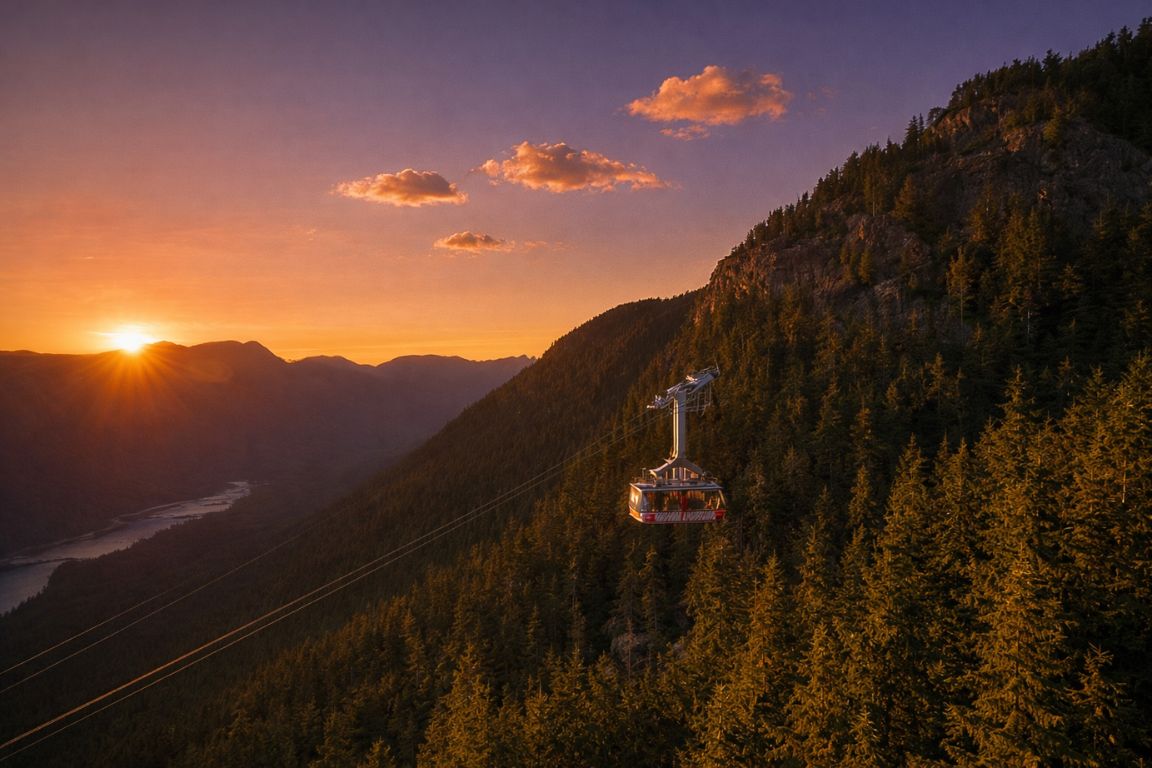 Here is the honest breakdown of every month in Vancouver – what the weather actually feels like, what’s open, what’s good, and what catches visitors off guard. Use this alongside the table above when you’re deciding whether a specific month works for your trip.
Recommended tours by season
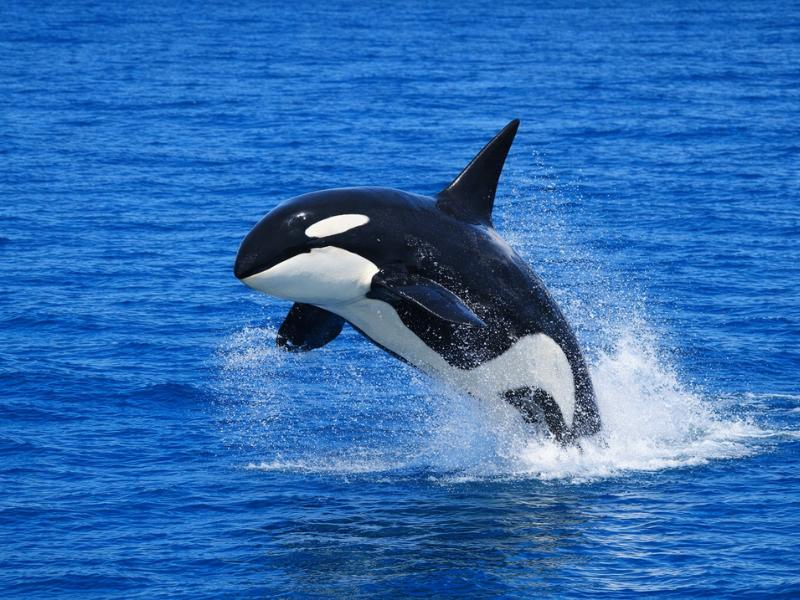
Vancouver Whale Watching Adventure – Half-Day Tour & Free Photo Package
Spring pick. Season opens in March, with orca sightings increasing through April and May. A half-day trip that includes a photo package.
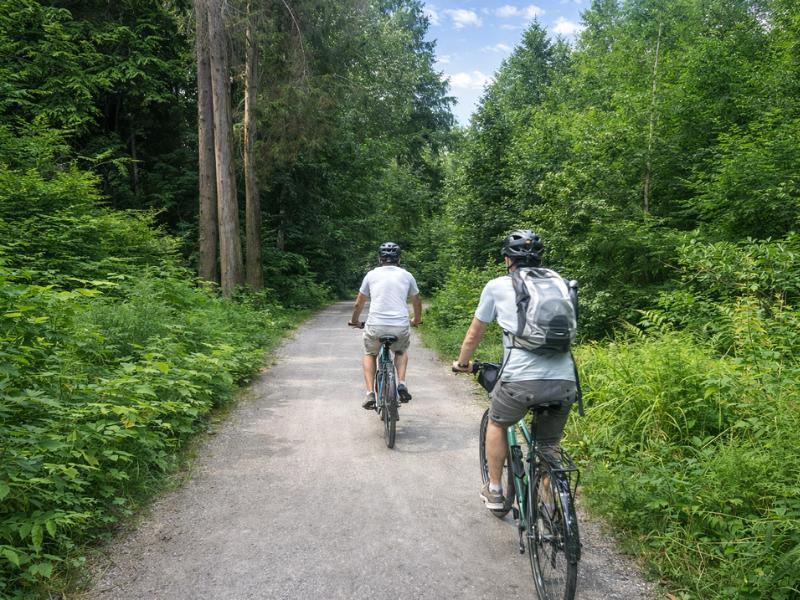
Best Vancouver Bike Tour – Guided Ride with Local Expert
Summer pick. A five-hour guided ride on flat, protected paths through Stanley Park, English Bay, Granville Island, and Gastown. Long daylight makes the longer itinerary realistic.
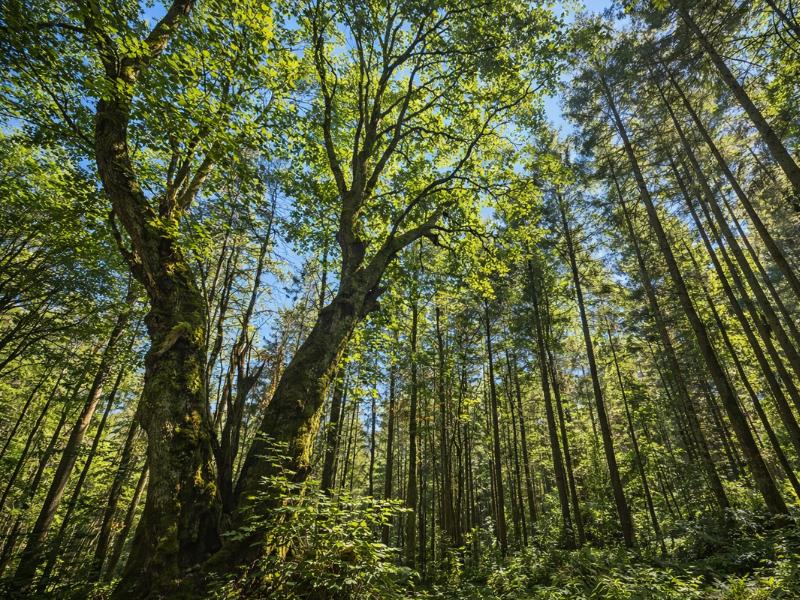
Discover Vancouver’s Ancient Trees – Guided Nature Walk
Fall pick. A three-hour guided walk among older forest stands, when North Shore trees are turning amber and orange and a full highway day is more than you need.
Capilano Suspension Bridge Park Admission Ticket
Winter pick. Park admission for about three hours. Mid-November is when Capilano turns on its Canyon Lights illumination.
January
January is Vancouver’s rainiest month and the coldest on the calendar, with average highs around 6-7°C. The city doesn’t shut down – locals just put on waterproof layers and get on with it – but daylight runs only 8-9 hours and sustained grey stretches are common. The upside is real: hotels drop to their annual floor, attractions have almost no queues, and Grouse Mountain, Cypress, and Mount Seymour are running ski and snowshoe operations. If budget matters more than weather, January is when Vancouver costs least.
February
February matches January for grey skies and low prices. Ski season on the North Shore is typically at or near its best. Late February occasionally delivers the first genuinely mild days of the year, and at the very end of the month, cherry blossom buds start appearing on early-blooming Yoshino trees in warmer years. Hotel rates are still near their annual minimum. If you’re pairing a ski trip with city time, the economics work well here.
March
March is the transition month. Rain continues and temperatures only climb to around 10°C, but the city starts showing signs of spring. Cherry blossom season usually begins in the last two weeks of March – sometimes earlier in mild winters, sometimes not until April. Whale watching season opens for some operators by late March. Crowds are still low and hotel prices haven’t moved much from winter lows. Arriving in late March rather than early March meaningfully improves your chances of catching blossoms.
April
Cherry blossoms peak in early to mid-April, and Vancouver’s roughly 50,000 trees spread across neighbourhoods citywide make this one of the more visually dramatic months on the calendar. The Vancouver Cherry Blossom Festival runs through April. Temperatures reach 13°C, rain days drop to around 12 per month, and whale watching is running fully by mid-April with humpbacks arriving from their winter grounds. Prices start rising from March lows. If the blossoms are your main draw, check the festival’s bloom forecast before finalizing your dates – the peak window shifts two to three weeks year to year.
May
May is the smart shoulder season pick. Temperatures climb to 17°C, rain becomes less constant, and the full outdoor activity calendar is running: whale watching, North Shore hiking, kayaking in Deep Cove, the Stanley Park Seawall. Daylight extends past 9pm by late May. Hotel rates are meaningfully below July and August while conditions are closer than most visitors assume. The rain doesn’t disappear in May – a jacket-and-umbrella day can appear any week – but sustained dry stretches become more common.
June
June is the start of real summer. Temperatures reach 20°C, rain days drop to around 10 per month, and daylight stretches beyond 16 hours around the solstice. Everything is open and running. The Vancouver Jazz Festival typically runs in late June. Bard on the Beach, the outdoor Shakespeare festival in Vanier Park, opens for its summer season. Hotel prices are climbing but haven’t hit the July peak. Early June in particular – before school holidays end in most North American markets – offers summer conditions with less crowd and booking pressure than July.
July
July is peak season on every metric: warmest temperatures (averaging 22-23°C), fewest rain days (8-9), most events, most visitors, and highest prices. Downtown hotel rates hit $330-$390+ per night. Everything is excellent and nothing is easy to book last-minute. The Honda Celebration of Lights fireworks competition draws hundreds of thousands to English Bay on competition nights. Vancouver Pride runs in late July. The Folk Music Festival takes over Jericho Beach. Book everything – accommodation, whale watching, popular restaurants – weeks in advance. In summer 2026 specifically, FIFA World Cup matches at BC Place make July accommodation significantly tighter than any prior year on record.
August
August is technically Vancouver’s driest month (7-8 rain days), matching July for warmth with slightly lower hotel prices as the season begins to ease. English Bay water temperature hits its annual peak around 18-19°C. The critical variable in August is wildfire smoke from BC’s interior. In smoke-free years, August is spectacular. In smoke years – which have been more common since 2017 – the mountains disappear and air quality can affect outdoor plans for days at a stretch. You cannot predict this in advance. If your trip timing has any flexibility, leaning toward early August or September rather than late August reduces the smoke risk.
September
September is the best month to visit Vancouver. Temperatures hold at 19°C, wildfire smoke clears, rain stays low (around 8-10 days), crowds thin, and hotel prices drop 15-25% from their July peak. Whale watching remains excellent through the month, with humpbacks still actively feeding before their southern migration. The Vancouver International Film Festival, one of the largest in North America, begins in late September. Locals refer to September as their city’s true season, and thirty seconds on the Seawall or in the neighbourhoods makes the reason obvious.
October
October is autumn proper. Temperatures drop to 14°C, rain returns with 14-16 days per month, and daylight contracts quickly – by the end of the month, sunset comes around 6pm. The North Shore forests go amber and orange, the mountains often receive their first snowfall of the season, and VanDusen Botanical Garden has genuine fall colour worth visiting. Whale watching operators typically run through late October with good humpback sightings. Prices sit well below summer levels. Plan outdoor activities for midday; this is a more interior-focused visit than a summer trip.
November
November is Vancouver’s wettest month, averaging 18-20 rainy days and rainfall reaching its annual peak. Temperatures sit around 9°C. The city shifts into a quiet local mode that some travelers find genuinely appealing – attractions have no queues, hotel rates are near their annual minimum, and the city’s restaurant and cultural life continues without interruption. Capilano Suspension Bridge begins its Canyon Lights winter illumination in mid-November. Ski season on the North Shore opens. For travelers whose priority is culture and food rather than outdoor conditions, November offers real value.
December
December brings the year’s shortest days (around 8 hours of daylight), temperatures averaging 6-7°C, frequent rain, and occasional snow at sea level. Hotel rates are at their annual low. The city leans into its winter identity: the Bright Nights Christmas Train in Stanley Park runs through late December, Christmas markets operate near Canada Place and Robson Square, and Grouse Mountain’s Skyride delivers a mountain-and-city view that’s particularly striking on clear winter days. Snow at sea level is infrequent and short-lived, usually a day or two before maritime air brings it back to rain.
If you want to skip the research, here are the best Vancouver city tours based on guide quality, what you actually see, and which neighborhoods they cover.
Month-by-Month: What to Expect When You Arrive
| January | 6°C (43°F) | 18 | Skiing Grouse/Whistler; indoor culture | Low |
| February | 7°C (45°F) | 16 | Best Whistler snow conditions | Low |
| March | 10°C (50°F) | 14 | Cherry blossoms begin; whale-watching opens | Low-Medium |
| April | 13°C (55°F) | 12 | Cherry blossom peak; Cherry Blossom Festival | Medium |
| May | 17°C (63°F) | 11 | Spot prawn season; VanDusen gardens peak | Medium |
| June | 19°C (66°F) | 10 | Jazz Festival; Bard on the Beach opens; long days | High |
| July | 22°C (72°F) | 9 | Folk Fest; Celebration of Light; Pride | Peak |
| August | 22°C (72°F) | 7 | Driest month; alpine hiking peak; wildfire smoke risk | Peak |
| September | 19°C (66°F) | 8 | VIFF; early fall colour; prices drop post-Labour Day | Medium (sweet spot) |
| October | 14°C (57°F) | 14 | Peak fall colour; Writers Fest; Halloween events | Low-Medium |
| November | 9°C (48°F) | 18 | Rainy season proper; Whistler ski season opens | Low |
| December | 6°C (43°F) | 19 | Christmas markets; Grouse Mountain lights; skiing | Low (holiday spike late month) |
Temperature and rain day averages based on Environment Canada 1991-2021 climate normals. Prices verified March 2025.
Should You Visit Vancouver in Winter?
 Winter in Vancouver makes sense for two types of travelers: people who came to ski, and people who want a major city at its quietest and most affordable. Downtown temperatures rarely dip below freezing, the city doesn’t get the bone-cold of most Canadian winters, and Whistler is less than two hours away with some of the best ski terrain in North America. Hotel rates drop to roughly half of peak-summer prices. What you give up is sunshine, outdoor trails, and the version of the city that photographs well.
The rain thing is real and worth preparing for properly. November, December, and January are Vancouver’s wettest months, each averaging 17-19 rainy days. This is not light drizzle you can ignore. It’s the Pacific Northwest doing its characteristic thing, which is days of grey and intermittent rain punctuated by bright cold spells that make the snow-covered mountains look almost theatrical. On those clear winter days, the city is genuinely beautiful. You just can’t bank on them.
What you can bank on in winter: Whistler snow. February is typically the peak month for snowpack, with the resort seeing its heaviest accumulations and running all lifts. The Peak 2 Peak Gondola between Whistler and Blackcomb peaks is operating. Grouse Mountain on the North Shore is a much shorter drive from downtown, a 30-minute trip, and runs night skiing through the week. Neither Grouse nor Seymour require a full-day commitment, which makes them useful for visitors who want the mountain experience without giving up a day in the city.
Culturally, winter is when Vancouver’s indoor scene runs hardest. The Vancouver Symphony, Opera, and Theatre scene is fully active. The Museum of Anthropology at UBC is one of the best ethnographic museums in Canada and worth a half-day at any time of year. Granville Island’s public market is busy year-round and one of the better ways to spend a rainy Vancouver morning: fresh bread, local cheese, and a coffee while watching the fishing boats on False Creek.
Snow in the city itself is rare. When it comes, usually a few days in January or February, it tends to paralyze things disproportionately. Vancouver isn’t built for snow the way eastern Canadian cities are. Buses slow, hills get slippery, and the locals act surprised every single year. It usually clears within a day or two.
What’s the Weather Actually Like in Vancouver? (The Rain Question)
Vancouver gets roughly 166 rainy days per year, about 45% of all days. This is significantly wetter than most visitors expect and considerably less bad than the reputation suggests, because the rain is concentrated in a six-month window from October to March. From June through September, Vancouver averages only 7-10 rainy days per month, making summer genuinely dry by Pacific Northwest standards. The city’s climate is classified as oceanic (Marine West Coast), which means mild temperatures year-round, never very cold, never very hot.
The reputation for rain is accurate but unevenly distributed across the year. The mistake most first-timers make is thinking it rains the same amount all year. It doesn’t. July is one of the driest months in Canada’s major cities, averaging only 9 rainy days and 24mm of precipitation. That’s drier than Toronto in July. Visitors who come in summer and encounter rain are often experiencing the exception, not the rule.
The other thing to know: Vancouver’s mountains get dramatically more rain and snow than the city itself. The North Shore mountains, the Sea to Sky corridor above Squamish, and the area around Whistler all see significantly higher precipitation than downtown. On a day when the city has light cloud, the mountains might be getting heavy snow at elevation. This is part of why Whistler has some of the most reliable snowpack in North America even while the city rarely sees sustained winter snow.
Summer heat has become a more serious topic since the 2021 heat dome event, when temperatures in the Vancouver area reached unprecedented levels. That event was an outlier, but it pointed to a direction. Most summers still see temperatures in the comfortable 20-22°C range with only occasional hot spells above 28°C. The city is not equipped for sustained heat the way it is for rain, so air conditioning in hotels is worth checking if you’re visiting in July or August.
When Is the Cheapest Time to Visit Vancouver?
January and February are Vancouver’s cheapest months to visit, with downtown hotel rates often running 50-60% below peak summer rates. November is similarly affordable. The sweet spot for value combined with reasonable weather is the last two weeks of September or the first two weeks of October, when summer conditions occasionally persist but the peak-season pricing has shifted. Avoid holiday weekends year-round – they spike prices across all seasons.
The price gap between peak and off-peak in Vancouver is more dramatic than in most cities. Downtown hotel average daily rates hit over $420 CAD in August 2024. In January, the same hotels were running around $150-180 CAD. For a week-long trip, that difference translates into real money, often $800-1,400 CAD saved on accommodation alone.
A pattern we see among experienced travelers: they book September 15-30. Hotel prices drop sharply after Labour Day, but the weather and trail conditions are often indistinguishable from mid-August. The city is more pleasant to navigate. The Sea to Sky is less crowded. You can book Capilano Suspension Bridge without planning weeks in advance. It is the clearest single yield from paying attention to timing in this city.
Spring, specifically late April and May, is the second-best value window. Prices are 30-40% below summer peak, the cherry blossoms are done (which removes one crowd driver), and the city is still running its full indoor calendar. The risk is weather. May can be beautiful or can involve a run of rainy weeks. Looking at historical weather patterns for Vancouver in May shows years that look like June and years that look like March. You’re making a probability bet, not a guarantee.
When Our Clients Visit: A Look at 11,400+ Guided Travelers
| July-August | 38% | Sea to Sky day trip; kayaking; whale watching | Loved the weather; wish they’d booked earlier |
| September-October | 27% | North Shore hiking; Whistler; fall colour | Better value than expected; September was perfect |
| April-June | 22% | Cherry blossoms; Stanley Park; whale watching | Fewer crowds, loved the blossoms, April weather mixed |
| November-March | 13% | Whistler skiing; indoor culture; Grouse Mountain | Great value; rain was manageable with right gear |
Based on our 2025 client group. From the 11,400+ travelers guided since founding in 2010.
When Should You Avoid Visiting Vancouver?
November is the month to avoid if weather matters to you. It’s Vancouver’s second-wettest month, the days are short, most seasonal outdoor activities have closed, and the city hasn’t yet shifted into its Christmas mode. Late July and early August carry wildfire smoke risk that can affect air quality for days at a time, which is a real consideration for anyone with respiratory sensitivities or building a trip around outdoor activity. Holiday weekends year-round, particularly the Canada Day long weekend (July 1) and BC Day (first Monday in August), spike hotel prices and crowd key attractions regardless of season.
The smoke question is one that’s changed in recent years and deserves honest treatment. Before 2015 or so, Vancouver’s summer air quality was rarely an issue. Since then, BC interior wildfires have sent smoke into the Lower Mainland with increasing frequency. 2023 was particularly bad nationally. 2024 brought multiple smoke events to the city between late July and mid-August. The city is not at the level of interior BC, and downtown Vancouver is protected to some degree by geography and proximity to the ocean. But it happens, and anyone who tells you otherwise isn’t paying attention to recent history.
The practical read: late July and early August carry the highest smoke risk. Early July and September carry essentially none. This is another reason why September keeps coming up as the recommendation. You get summer quality weather, the festivals are winding down rather than in full swing, the prices have shifted, and smoke season is effectively over.
The final thing worth saying: there is no genuinely bad time to visit Vancouver if you’re prepared for what each season actually offers. Winter is grey and wet but the skiing is excellent and the city is at its most local. Spring is unpredictable but beautiful when it cooperates. The risk isn’t visiting in the wrong season; it’s visiting with the wrong expectations.
If you want help matching outdoor days to the month you are considering, start with the nature tours from Vancouver and see which ones fit your window.
Frequently Asked Questions
What is the best month to visit Vancouver?
September is the single best month for most visitors: reliable warm weather, dramatically fewer crowds than July–August, and hotel prices that drop noticeably after Labour Day. The last ten days of September, after the summer rush fully clears, offer the best combination of conditions and value the city delivers all year.
How rainy is Vancouver, really?
Vancouver gets around 166 rainy days a year, but almost all of them are concentrated between October and March. In July, the city averages only 9 rainy days and about 24mm of rain, which is drier than many major cities in summer. The reputation is earned — but it applies to winter, not to summer visits.
Is summer the best time to visit Vancouver?
Summer offers the best weather and the full festival and events calendar. July and August are reliably dry and warm. The downsides are real though: Vancouver has the highest hotel rates in Canada during peak summer, attractions are genuinely crowded, and wildfire smoke from BC’s interior can affect air quality during late July and August. September gives you summer-quality weather with fewer of those tradeoffs.
When is Vancouver cheapest to visit?
January and February are the cheapest months, with hotel rates often running 50-60% below summer peak. For budget visits that still have decent weather, the last two weeks of September and first two weeks of October are the strongest value window. Late April and May are also significantly cheaper than summer while still offering good conditions.
Does it snow in Vancouver?
Snow in the city itself is rare, usually one to three events per winter that clear within a day or two. The North Shore mountains and Whistler get heavy snowfall, which is what makes the skiing good. When it does snow in Vancouver, the city doesn’t handle it particularly gracefully. January and February are the most likely months for any city-level snow.
When is wildfire smoke a problem in Vancouver?
Late July and August carry the highest smoke risk, driven by BC interior wildfires. The city of Vancouver is somewhat protected by geography compared to the interior, but smoke events are now a regular feature of summer in the Lower Mainland. September typically marks the end of significant smoke risk. Check Air Quality Health Index (AQHI) readings from Environment Canada before planning extended outdoor activity in late July or August.
Written by Ethan James Carter
Canadian tour guide since 2010 · Founder, Vancouver Canada Tours
Ethan has guided over 11,400 travelers through Vancouver, the North Shore mountains, and British Columbia’s coast since founding the agency.
Choose the experience that fits your trip
Our starting recommendation; confirm your party’s needs and travel date.
Compare alternatives and adjust the recommendation
| Experience | Why pay for it | Time and practical limits |
|---|---|---|
| Whistler And Sea to Sky Day Trip | Shannon Falls, Sea to Sky Gondola admission and Whistler on a guided coach day. | 630 min planning window 10 hours plus check-in; moderate walking. No luggage or YVR drop-off; not a ski package. |
| Covered Whale Watching From Vancouver | Five-hour whale watch with naturalists, indoor cabin, outdoor decks and wildlife photos. | 330 min planning window Wildlife is not guaranteed on a particular departure. Return-tour guarantee has fees; meals extra. |
| Capilano Suspension Bridge Park Ticket | Suspension Bridge, Treetops Adventure and Cliffwalk admission. | 180 min planning window Food and paid parking extra; walking and heights involved. |
| Stanley Park Ancient Trees Walk | Guided exploration of ancient trees using historic maps and photographs. | 150 min planning window Walking required; this is not an Indigenous-led tour. |
| Gastown Lost Souls Walk | Story-led walk through Gastown with an English-speaking guide. | 115 min planning window Recommended for ages 14+; ages 10+ with parental discretion. Adult themes and walking. |
Compare your own quotes in CAD
Use totals for the same people, date and inclusions. Add transport, tickets and taxes to the independent plan.
Check your date before arranging the rest of your day
Whistler And Sea to Sky Day Trip
Shannon Falls, Sea to Sky Gondola admission and Whistler on a guided coach day.
Vancouver departure and return; confirm pickup 24 hours ahead. 10 hours plus check-in; moderate walking. No luggage or YVR drop-off; not a ski package.
Choose a date to see scheduled departures. Availability and final price are confirmed on Viator.
Your date is a planning check; select it again on Viator to confirm your booking.