Best Nature Tours from Vancouver
Vancouver’s wildlife tours range from rainforest hikes to whale watching in the Salish Sea. Season, guide, and boat type matter more than most travelers realize.
For a paid experience alongside this plan, Covered Whale Watching From Vancouver adds marine wildlife with a heated cabin.
Last updated: March 11, 2026
Quick Facts: Best Nature Tours from Vancouver
| Whale Watching (Salish Sea) | Departs Granville Island or Steveston | $110-$160 | April-October (peak May-Sept) |
| North Shore Forest: Capilano + Grouse Mountain | 15-30 min from downtown | $100-$250 (guided, incl. admission) | Year-round (summer for grizzlies) |
| Lynn Canyon + Deep Cove Hiking | 30-45 min from downtown | $0 (Lynn Canyon) / $50-$90 guided | Year-round (trails can be muddy Nov-Mar) |
| Sea to Sky / Squamish Nature Tour | 1 hr north by coach | $100-$175 (guided day trip) | Year-round (winter for bald eagles) |
| Bald Eagle Viewing (Squamish/Harrison) | 1-1.5 hrs from Vancouver | $80-$150 guided | October-January (peak Nov-Dec) |
| Sea Kayaking (False Creek / Howe Sound) | City centre or 45 min north | $65-$120 | May-October |
| Bear Viewing (Grouse Mountain grizzlies) | 30 min from downtown | Included with Grouse Mountain admission (~$65+) | May-October (bears in enclosure year-round) |
Prices verified March 2025. Group tour prices are per person. Guided tour prices often include transport from downtown Vancouver hotels.
What Are the Best Nature Tours You Can Take from Vancouver?
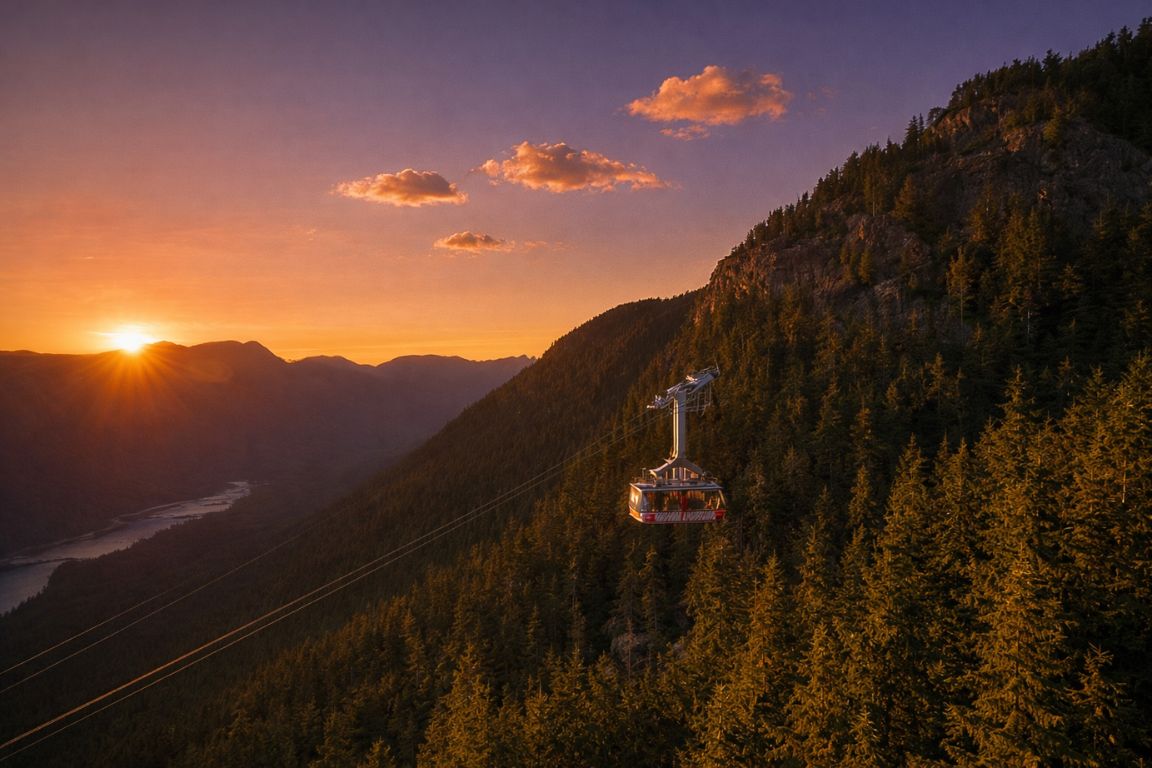 The best nature tours from Vancouver span three distinct environments: the temperate rainforest of the North Shore (accessible in under an hour), the Salish Sea and Gulf Islands for whale watching and marine wildlife, and the Sea to Sky corridor north toward Squamish and Whistler for mountain scenery, eagles, and old-growth forest. Each delivers something genuinely different, and the right choice depends on your season, physical comfort level, and whether wild or accessible wildlife matters more to you.
One thing this city has going for it that most urban destinations don’t: the wilderness is not far away and it’s not mild. Grouse Mountain sits 1,231 metres above the city and has two resident grizzly bears. The Salish Sea, 30 minutes by boat from Granville Island, is one of the most productive feeding grounds for humpbacks and orcas on the BC coast. Lynn Canyon in North Vancouver has a suspension bridge over a canyon that costs nothing to cross, in old-growth forest that’s been standing for over a thousand years. Capilano River below it has a salmon hatchery running since 1971.
The range of options is wide enough that it helps to start with a clear question: are you after something physically easy and visually spectacular, or are you willing to get wet and uncomfortable for a wilder encounter? The Grouse Mountain gondola is the former. A zodiac whale watching tour in October chop is the latter. Both are legitimate. The mistake is signing up for the wrong one.
Across 15 years of guiding, we’ve watched travelers have their most memorable Vancouver moments not at the famous suspension bridge, but at a hatchery pool watching a 40-pound Chinook climb a fish ladder. Or at the rail of a catamaran at the moment a humpback surfaces 20 metres off the bow. The city’s nature isn’t decorative. It’s working. Understanding which tours put you closest to that reality is what this guide is for.
Not sure which tour to book? I’ve compared the best Vancouver city tours so you can see which ones actually show you the real city versus which are just bus rides past landmarks.
What Makes a North Shore Nature Tour Worth the Trip?
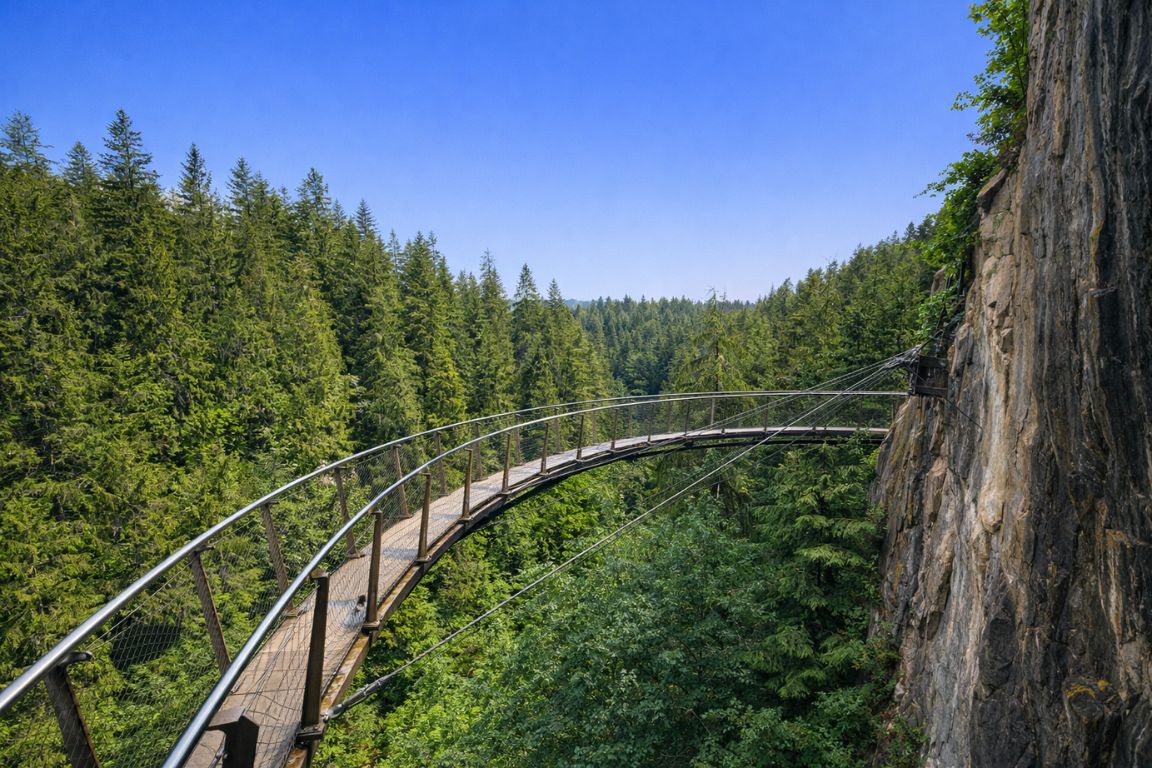 The North Shore nature experience – Capilano Suspension Bridge, Capilano Salmon Hatchery, and Grouse Mountain – works as a combined full-day tour because each stop reveals a different layer of the coastal ecosystem. The salmon hatchery is genuinely underrated: watching Chinook navigate a fish ladder is one of the more striking wildlife moments accessible without a boat. Grouse Mountain adds resident grizzly bears, birds of prey demonstrations, and a panoramic view of the entire Metro Vancouver region from 1,231 metres. A guided combo tour including transport and admissions runs approximately $100-$250 CAD per person. Prices verified March 2025.
The North Shore gets dismissed sometimes as a tourist circuit – the famous bridge, the gondola, the gift shops. That reading misses what’s actually there. Capilano Suspension Bridge Park sits in a section of temperate rainforest where individual Douglas firs exceed 1,300 years of age. The bridge itself spans 137 metres across the Capilano River canyon, 70 metres above the riverbed. The treetops adventure course connects seven viewing platforms through the forest canopy without clearing a single tree. It’s a commercial operation built into a functioning ecosystem, which gives it a different texture than most tourist attractions.
The salmon hatchery, a short distance from the suspension bridge, is the part most guided tours don’t spend enough time at. The Capilano River Hatchery has been supporting Chinook, coho, and steelhead populations since 1971. In the fall run, typically September through November, the fish ladder becomes one of the most viscerally impressive wildlife spectacles near any major Canadian city. A 40-pound salmon negotiating a concrete ladder by sheer instinct is not something you forget. A guide who can explain what that salmon has travelled through to get there, and what’s waiting for it upstream, transforms the sight into something with real ecological weight.
Grouse Mountain at the top adds a different scale. The two resident grizzly bears, Grinder and Coola, arrived as orphaned cubs in 2001 and have lived at the mountain’s wildlife refuge since. They’re not in a zoo enclosure – the refuge covers several acres of mountain habitat and the bears behave as bears do: digging, foraging, moving through the space on their own schedules. The birds of prey demonstrations, running in summer, bring trained raptors within arm’s length. The views from the summit on a clear day cover the entire Lower Mainland, the Gulf Islands, and on exceptional days, the Olympic Peninsula in Washington state.
The case against the North Shore tour is also worth saying plainly. It’s heavily visited, particularly in summer. The Capilano Suspension Bridge charges a significant admission fee (over $65 CAD for adults in 2025). Lynn Canyon, a 10-minute drive east, has a free suspension bridge over a different canyon in the same old-growth forest and is genuinely less crowded. If the budget matters more than the commercial experience, Lynn Canyon is the answer. If you want the full ecosystem story in a single day with transport and admission handled, the guided North Shore combo is worth the price.
Is a Whale Watching Tour from Vancouver Actually Worth It?
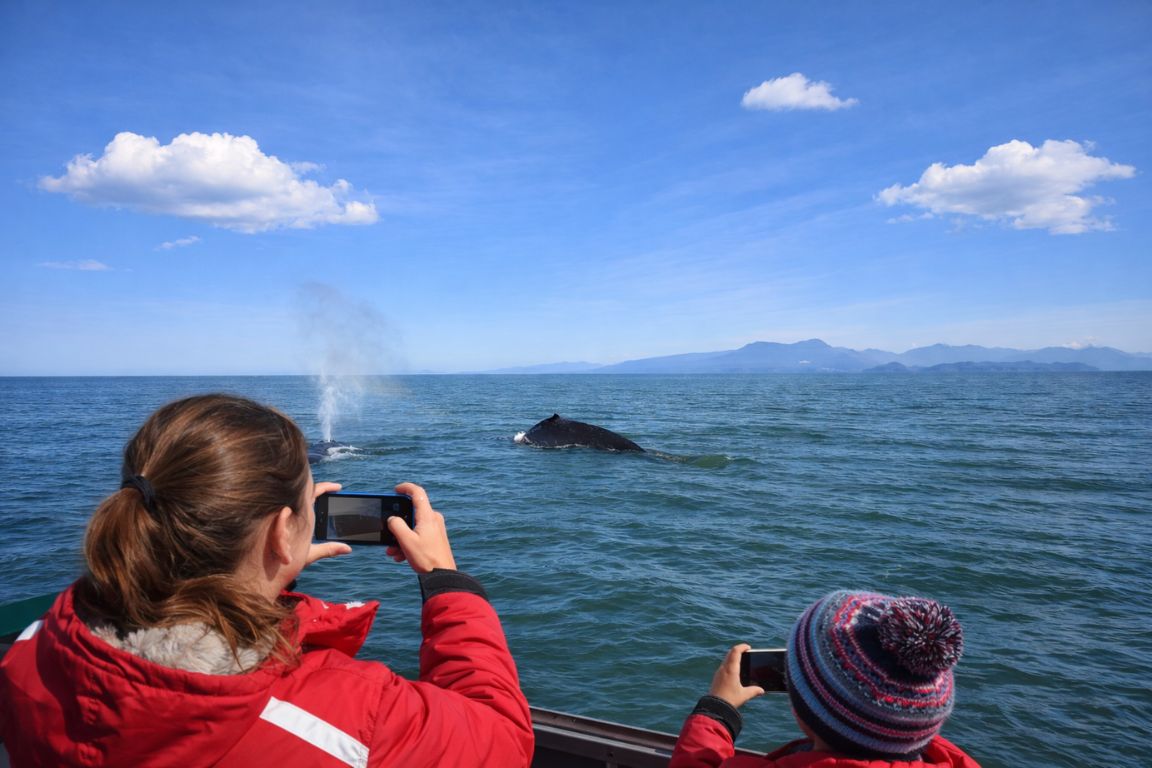 Yes, for most travelers. Vancouver whale watching tours operate in the Salish Sea and Gulf Islands, targeting humpback whales, transient orcas (Bigg’s killer whales), and occasionally gray and minke whales. Reputable operators run 3-4 hour tours with 95-98% sighting success rates and lifetime free return guarantees if no whale is seen. Tours depart from Granville Island and Steveston (Richmond). Adult prices run $110-$160 CAD. Best season is May through September, with September and October offering excellent sightings and smaller crowds. Prices verified March 2025.
The question worth asking before you book is not whether you’ll see whales – the sighting rates are genuinely high and the guarantees are real – but which type of encounter you’re after. The two main vessel types produce different experiences. Catamarans hold more passengers, have indoor seating, onboard washrooms, and multiple viewing levels. They’re warmer, more accessible, better for families with young children or anyone prone to seasickness. Zodiacs are smaller, faster, sit lower on the water, and reach the whales more quickly when a sighting comes in on the radio network. You suit up in flotation gear and stay on the water for the duration. The encounter feels more elemental. The tradeoff is physical comfort and weather dependence.
Humpbacks have made a significant recovery in BC waters over the past two decades following commercial whaling protections, and they’re now frequently spotted throughout the Salish Sea from spring through fall. Transient orcas – the marine-mammal-eating population – move through the region throughout the year, following prey rather than fixed seasonal patterns. Sightings earlier in the day are sometimes less reliable because tour captains don’t yet have radio reports from the network of spotters, fishermen, and other boats working the area. The first tour of the day is often excellent when whales are close; it can also be the trip where you use your free return guarantee.
One thing consistently reported across reviews of multiple operators: when the crew goes above and beyond the minimum sighting guarantee and travels further to find orcas after already seeing humpbacks, the experience shifts from very good to genuinely memorable. That behavior is a function of crew culture, not just species availability. Reading guide-specific reviews before booking is as important here as in any other tour category.
Don’t book whale watching on your last day in Vancouver. If you don’t see whales and need to use your return guarantee, you want the option. Most operators explicitly recommend this. Book mid-trip and leave yourself the safety net.
Curious about whale watching from the city? Our guide to Vancouver whale watching tours covers which companies to book, when to go, and what you’ll actually see versus what’s promised.
What Are the Best Forest and Hiking Tours Near Vancouver?
 The best forest and hiking tours near Vancouver run from the accessible (guided Lynn Canyon walks, Stanley Park old-growth trails) to the challenging (the Grouse Grind, guided deep forest routes in Garibaldi Provincial Park). Lynn Canyon is free, old-growth, and genuinely wild. The Grouse Grind is 2.9 km of near-vertical forest trail gaining 853 metres – the local fitness test that most visitors don’t attempt and a few regret. Guided hiking tours into Garibaldi and the Sea to Sky corridor run $100-$175 CAD per person for full-day trips. Prices verified March 2025.
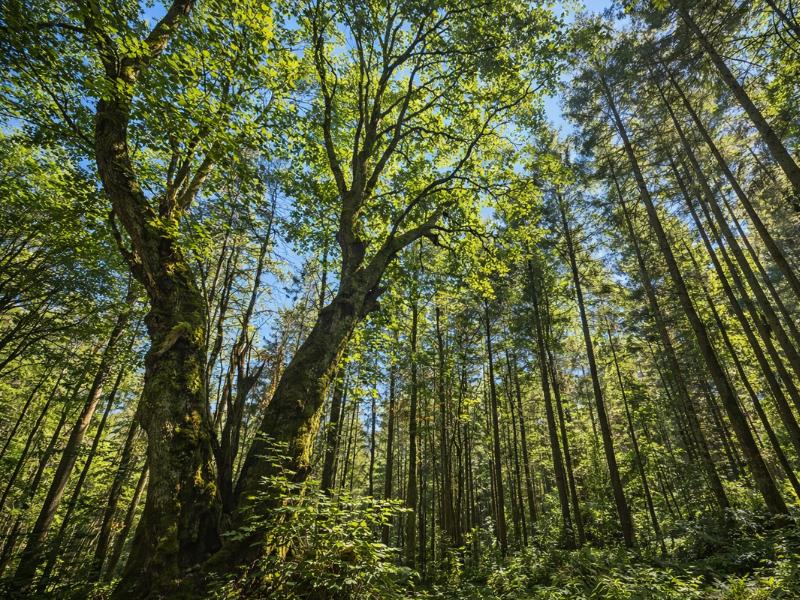
Lynn Canyon is the honest answer to “where do I hike near Vancouver without paying for Capilano?” The park runs along Lynn Creek in North Vancouver, accessed by SeaBus and bus or a short drive. The suspension bridge crosses a genuine wilderness canyon, not a manicured tourist area. The trails are real trails: root systems, muddy sections in wet weather, switchbacks through old-growth. The ecology interpretation centre at the entrance is run by the District of North Vancouver and is free. This is where you understand what temperate rainforest actually is – the layered canopy, the nurse logs, the ferns growing out of 800-year-old stumps – before you walk into it.
The Grouse Grind deserves a section of its own because it gets misrepresented. Some operators describe it as a hiking trail. It’s better described as a staircase made of roots, loose rock, and 2,830 irregular steps. The ascent gains 853 metres in 2.9 kilometres. Most fit hikers complete it in 1.5 to 2 hours. Less fit hikers should take the gondola. No one who struggles on regular staircases should attempt it. The payoff at the summit is real – the views, the mountain air, the restaurant at the top – but this is not a casual nature walk. We’ve seen more group dynamics complicated by the Grouse Grind than almost any other activity we recommend.
For the genuinely immersive forest experience, guided day trips into Garibaldi Provincial Park north of Squamish are in a different category from anything accessible within 30 minutes of Vancouver. The park covers 195,000 hectares of volcanic and glacial terrain. Guided hiking tours run from Squamish (about 1 hour from Vancouver by coach) into the Cheakamus Lake area and the Rubble Creek trailhead toward Black Tusk. These are full days in mountain wilderness, not forest walks, and the operators who run them combine ecology interpretation with physical experience in a way that day tours from the city rarely match.
If you’d rather have a guide handle the logistics and route selection, the Discover Vancouver’s Ancient Trees guided walk is a three-hour option on established Stanley Park trails.
We’ve rounded up the best day trips from Vancouver Canada tours so you’re not stuck wondering what’s actually reachable within a day and what’s worth the journey.
How Do You Get to the Best Nature Spots Near Vancouver Without a Car?
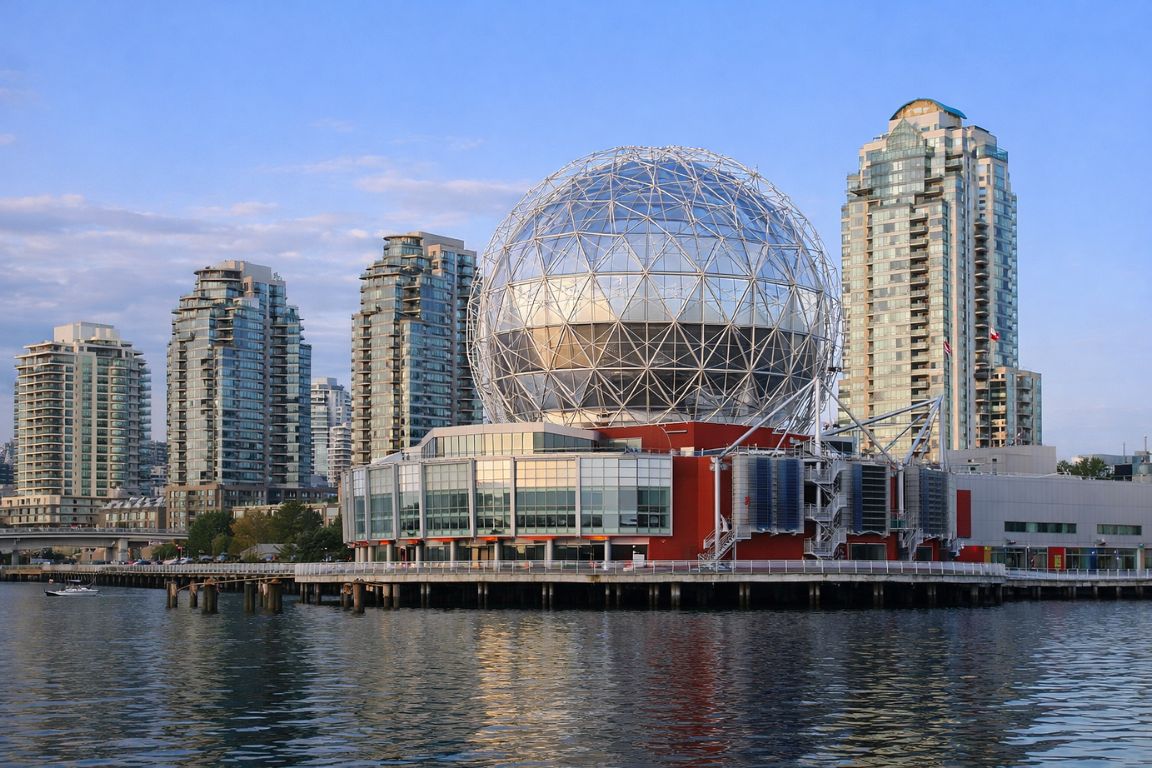 Most North Shore nature attractions are reachable by SeaBus plus bus. From Waterfront Station, SeaBus to Lonsdale Quay takes 12 minutes. From Lonsdale, the 236 bus serves Grouse Mountain and Lynn Canyon, and the Capilano Suspension Bridge runs its own seasonal shuttle from downtown. Whale watching tours depart from Granville Island (False Creek ferry from downtown) and from Steveston (Canada Line to Bridgeport, then a bus). All major guided nature tours include hotel pickup from downtown Vancouver hotels, which solves the transport question entirely. Prices verified March 2025.
The SeaBus route to the North Shore is one of the most underused transit connections in the city for visitors. Twelve minutes across Burrard Inlet, and you’re in North Vancouver looking back at the downtown skyline from the water. The ferry itself is part of the TransLink system and covered by a standard transit fare. Lonsdale Quay at the North Shore terminal has a public market, food stalls, and waterfront access. From there, the bus network reaches Grouse Mountain (bus 236), Lynn Canyon (bus 229 to Lynn Valley Road), and Deep Cove (bus 212). None of these require a car. Budget 45 minutes to an hour from downtown to any of the destinations.
Whale watching departing from Granville Island is also car-free by design. The False Creek mini-ferries run from downtown, Yaletown, and Science World to Granville Island in 5-10 minutes. Most operators at Granville Island are a short walk from the ferry dock. The Steveston departure point for Vancouver Whale Watch is further – Canada Line to Bridgeport station plus a bus or taxi to the Steveston docks – but still manageable without a car if you allow an extra 30-40 minutes.
The honest case for guided tours with hotel pickup: they eliminate this calculation entirely. A guided North Shore tour that collects you from your downtown hotel at 8:30am and returns you by 4pm requires zero independent transit knowledge and zero route planning. For travelers who want to spend their mental energy on the experience rather than the logistics, the transport inclusion in most guided tours is worth the premium over DIY transit routes.
Don’t have a car? I’ve broken down Vancouver Canada tours without a car so you know exactly how to get around using transit, bikes, and the occasional Uber.
What Wildlife Can You Actually Expect to See on a Vancouver Nature Tour?
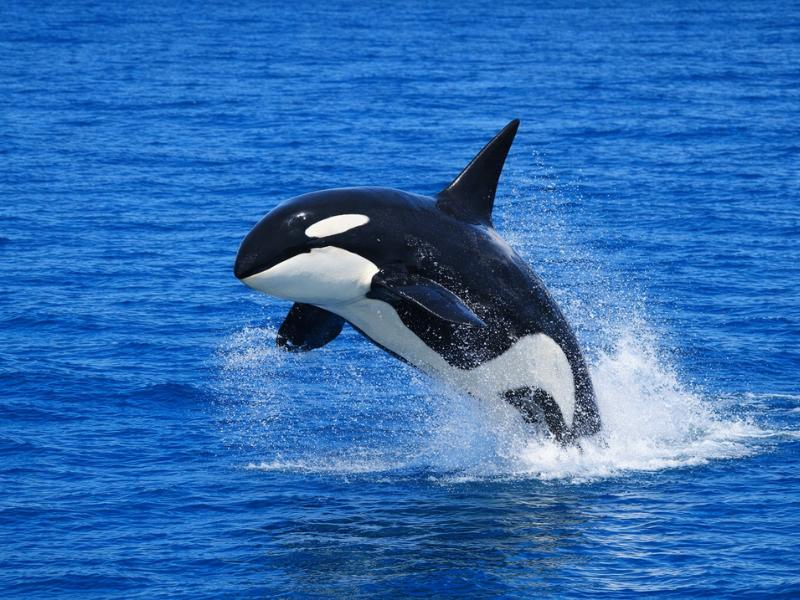
On a whale watching tour in peak season (May-September), you can realistically expect humpback whales and either transient orcas or harbor seals, plus bald eagles and Steller sea lions depending on time of year. On the North Shore, resident grizzly bears at Grouse Mountain are guaranteed. Bald eagles are year-round but spectacular in winter when hundreds gather in Squamish. Black bears are common on North Shore trails in fall. Salmon runs at Capilano Hatchery peak September through November. Harbor seals are visible from the False Creek ferries almost any day.
Humpbacks have become the whale watching headliner over the last decade and for good reason. They feed, breach, and fluke in ways that produce genuinely dramatic wildlife moments, and the population in the Salish Sea has grown substantially since whaling protections took effect. A humpback feeding run – where the whale makes a series of long surface dives in tight formation, blowing every 30 seconds – is a sustained spectacle rather than a single moment. Even a brief encounter, a surfacing and a tail fluke, leaves people quiet in a way that’s hard to explain afterward.
Transient orcas (Bigg’s killer whales) hunt marine mammals rather than fish, which makes them more unpredictable in location than the resident fish-eating orca populations. When they’re present, the encounters tend to be active – these animals travel quickly, hunt cooperatively, and have distinct family group dynamics that experienced naturalists can identify and explain in real time. Knowing that you’re watching the T65A matriline, a family group that’s been documented in the Salish Sea for decades, changes the quality of attention you bring to the moment.
The bald eagle situation near Vancouver is genuinely underknown outside Canada. Between late October and January, hundreds of bald eagles concentrate along the Squamish River north of the city, drawn by the late salmon run. The Eagle Run Dyke in Brackendale is one of the most accessible raptor spectacles in North America. On a good day in November, you’re looking at 50 to 100 eagles in the surrounding trees and riverbank, with more arriving throughout the morning. This is a winter wildlife experience, and most visitors arrive in Vancouver in summer and miss it entirely.
When Is the Best Time of Year to Book a Vancouver Nature Tour?
For whale watching: May through September is peak season, with the highest sighting diversity. September and October offer excellent whale numbers with smaller crowds and lower hotel prices. For North Shore hiking and Grouse Mountain: summer (June-September) for the grizzlies, lumberjack shows, and full access to summit activities. For bald eagle viewing in Squamish: late October through January. For salmon runs at Capilano Hatchery: September through November. There is no bad season for Vancouver nature tours – the wildlife calendar just shifts.
Summer is the obvious answer for most nature tours and it’s right: warmer water, more stable weather, the full range of marine wildlife, and Grouse Mountain at its most accessible. What it also brings is the most visitors. Whale watching boats are full. The Capilano Suspension Bridge has queues on weekends. The Grouse Grind at 11am on a Saturday in July has more people on it than some ski hills in January. None of this ruins the experience, but it changes the texture of it.
September is the month we recommend most consistently when travelers ask. Whale numbers remain strong through the Salish Sea. The salmon run is beginning at Capilano, bringing the added element of watching the fish and the bird activity they attract. The crowds are noticeably thinner than August. Hotel prices in Vancouver have dropped significantly from the summer peak. The forest trails on the North Shore are quieter. The weather is reliably good – Vancouver’s September is often its most pleasant month, dry and warm with the first hints of fall color in the deciduous trees along the creek corridors.
Winter is the surprise. The whale watching season has largely ended, but the bald eagle concentration in Squamish is spectacular November through December. Vancouver Water Adventures runs City & Seals boat tours year-round, giving harbor seal sightings from the water even in winter. The North Shore mountains get their first snowfall, transforming Grouse Mountain into a winter landscape accessible by gondola. And the city’s trails, which are genuinely wet and muddy November through March, are also genuinely quiet. For travelers who want nature without the crowd, winter Vancouver consistently overdelivers.
Wondering when to go? Check out the best time to visit Vancouver Canada tours – certain months give you sunshine and festivals while others mean constant drizzle.
| Season | Key Activities & Highlights | Best For | Crowds & Prices | Weather Notes | Recommendation Level |
|---|---|---|---|---|---|
| Summer (Jun-Sep) | Whale watching (peak diversity), Grouse Mountain (grizzlies, lumberjack shows, full summit access), hiking | Marine wildlife, mountain activities, warm weather | High crowds, full boats/queues, peak hotel prices | Warm, stable, sunny (but can be busy) | Great if you don’t mind crowds; obvious choice for most |
| September (esp. late summer/early fall) | Strong whale numbers, beginning salmon runs (Capilano + birds), quieter North Shore trails | Balanced wildlife + fewer people, fall hints | Noticeably thinner than Aug, lower hotel prices | Often Vancouver’s most pleasant: dry, warm, early fall colors | Highest recommendation – best overall compromise |
| Fall (Oct) | Whale watching (good numbers, fewer crowds), salmon runs peak (Capilano), early bald eagles | Salmon + eagles transition, value | Moderate to lower crowds, dropping prices | Cooler, some rain possible | Strong shoulder season option |
| Winter (Nov-Mar, peak Nov-Jan for eagles) | Bald eagle concentrations (Squamish), harbor seals (year-round boat tours), snowy Grouse Mountain (gondola access), quiet trails | Eagles, winter scenery, solitude | Low crowds, cheapest hotels | Wet/muddy trails, cold, first snow on mountains | Surprise standout for crowd-avoiders |
| Spring (Apr-May) | Early whale sightings (grays/orcas), pre-summer prep | Emerging wildlife, fewer people | Lower crowds, reasonable prices | Mild, variable, greener | Good starter season, less mentioned but viable |
What Do Most People Get Wrong When Booking a Vancouver Nature Tour?
Recommended tours by season
Vancouver Whale Watching Adventure – Half-Day Tour & Free Photo Package
Summer and early fall. Five hours on the Salish Sea, with a photo package included.
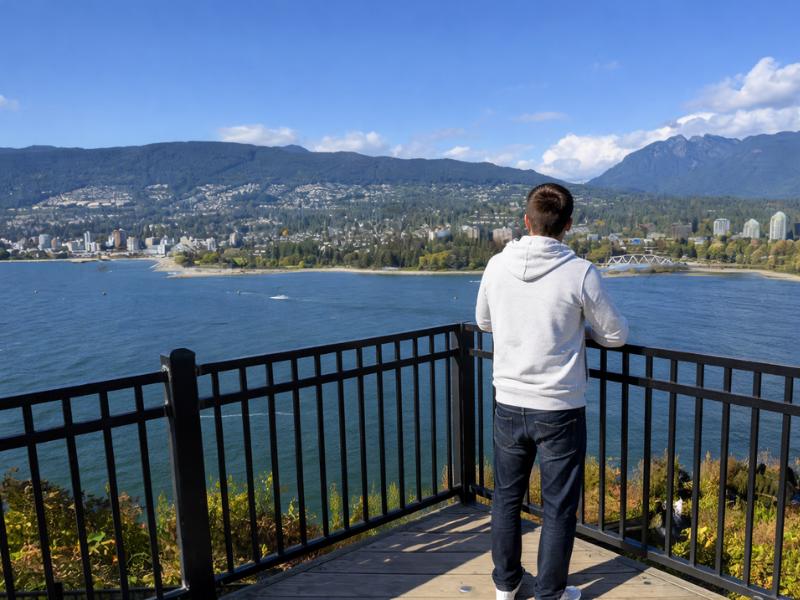
Capilano, Grouse Mtn, Dam, Lake & Salmon Hatchery 5-in-1 Small Group Adventure
Fall and year-round. Capilano, Grouse Mountain, the dam, a lake, and the hatchery in one small-group day.
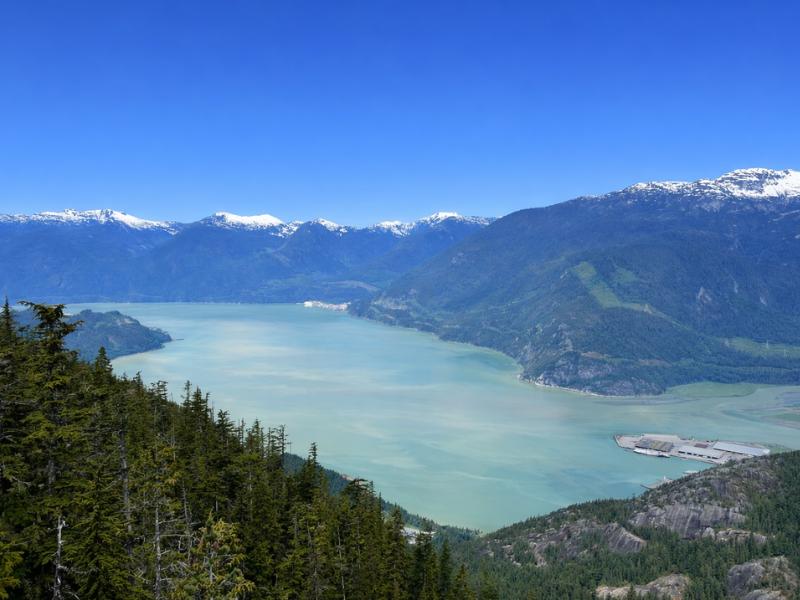
Vancouver to Whistler: Sea to Sky Gondola Tour with Shannon Falls Stop
Winter and shoulder seasons. Coach to Shannon Falls, the Sea to Sky Gondola, and Whistler.
Discover Vancouver’s Ancient Trees – Guided Nature Walk
Year-round. A three-hour guided walk to 800-year-old cedars and firs in Stanley Park.
The most common mistakes are: booking whale watching on the last day with no time for the free return guarantee, choosing a vessel type that doesn’t match their physical comfort level, underestimating travel time to North Shore attractions from the SeaBus terminal, treating Lynn Canyon as a lesser alternative to Capilano when they’re different experiences rather than ranked ones, and missing the fall and winter nature windows entirely by planning exclusively around summer.
The last-day whale watching mistake is so common that Vancouver Whale Watch explicitly warns against it in their booking confirmation. If you don’t see whales – which happens on about 2-3% of tours – and your free return guarantee is valid for life, you want to be able to use it before you fly home. This is not an argument against whale watching; the 98% sighting rate is real. It’s an argument for booking whale watching on day two or three of your trip, not day five.
Vessel mismatch accounts for more disappointed whale watching experiences than almost anything else. Experienced ocean travelers who want the most dynamic encounter possible should book a zodiac. Families with children under 10, anyone with seasickness concerns, or travelers prioritizing comfort should book a catamaran. The wildlife seen on both vessels is comparable – catamaran operators argue, with some evidence, that their larger vessels can’t react as quickly to new sightings as zodiacs, but the gap is not as wide as zodiac operators imply. Know which experience you’re buying before you book.
If you’re planning a family trip, here’s the honest take on visiting Vancouver Canada tours with kids based on what actually keeps them engaged and what’s overrated.
The Lynn Canyon versus Capilano question is worth addressing directly because it comes up constantly. Lynn Canyon is not a budget substitute for Capilano. It’s a different park with a different character. Capilano’s suspension bridge is higher, longer, and more dramatic. Capilano’s treetops adventure and cliff walk are engineering achievements built into old-growth that have no equivalent elsewhere. Lynn Canyon is wilder, less curated, and gives you trails that feel like actual forest rather than a forest experience. Both are worth doing. Framing it as a budget choice misses what makes each of them good.
And one more, specific to fall visitors: the salmon run at Capilano Hatchery between September and November is one of the most striking wildlife spectacles near any major city in the country. Most summer-focused itineraries don’t mention it because it peaks after the main tourist season. If you’re in Vancouver in October, go. The hatchery is free. The fish ladder observation gallery shows you the salmon at close range. The eagles and herons that gather along the riverbank outside the hatchery grounds are not in any enclosure – they’re there because that’s where the food is.
Questions about which nature tour fits your group, timing, and physical comfort level are easier to settle on a specific departure page, such as the half-day whale watching tour or the North Shore 5-in-1 small-group day.
What Our Travelers Book Most: Nature Tour Preferences by Season
Based on 11,400+ travelers guided through Vancouver and its surrounding wilderness, here’s how nature tour bookings break down across seasons among our 2025 client groups:
| Summer (Jun-Aug) | Whale watching catamaran + North Shore combo | 79% | Skipping whale watching to save time |
| Fall (Sep-Oct) | Whale watching + Capilano salmon run | 84% | Not knowing the salmon run existed |
| Winter (Nov-Feb) | Squamish bald eagle viewing | 77% | Assuming winter had nothing to offer |
| Spring (Mar-May) | North Shore hiking + early whale watching | 72% | Not knowing zodiac vs catamaran difference |
The consistent finding across all seasons: travelers who combine a land-based nature experience with a water-based one give significantly higher satisfaction ratings than those who do only one. The city sits between two ecosystems. Seeing both is the actual Vancouver nature experience.
Current departure dates are listed on each tour page, including the half-day whale watching tour.
Frequently Asked Questions
What is the best nature tour from Vancouver?
It depends on the season and your interests. For marine wildlife, a whale watching tour departing from Granville Island or Steveston into the Salish Sea is the strongest single experience – humpbacks and transient orcas with a 95-98% sighting success rate between May and September. For terrestrial wildlife, the North Shore combo of Capilano Suspension Bridge, the salmon hatchery, and Grouse Mountain grizzly bears packs an unusual amount of ecological variety into a single day. Combining both over two days gives the most complete picture of what the region’s ecosystems actually contain.
What wildlife can I see on a Vancouver whale watching tour?
Humpback whales and transient orcas (Bigg’s killer whales) are the primary targets, with sighting rates of 95-98% during peak season. Harbor seals, Steller and California sea lions, Dall’s porpoises, and bald eagles are commonly seen throughout the tour. Gray whales and minke whales appear occasionally. Transient orca sightings tend to be less predictable in July and August than in spring and fall. The Gulf Islands and Strait of Georgia route also passes dramatic coastal scenery that most visitors never see from land.
How long is a whale watching tour from Vancouver?
Most whale watching tours from Vancouver run 3 to 4 hours total, including the transit time to reach the whales and return to port. Tours departing from Steveston (Vancouver Whale Watch) often run 3-5 hours because the Steveston departure point is closer to the Gulf Islands where whales are commonly found. Bring layers regardless of season – it is significantly colder on the water than on shore, even in August.
Is Lynn Canyon worth visiting instead of Capilano Suspension Bridge?
Both are worth visiting and they’re different experiences rather than substitutes. Lynn Canyon’s suspension bridge is free, and the surrounding trails are less developed and more genuinely wild. Capilano’s suspension bridge is higher and longer, and the additional treetops adventure and cliff walk extend the experience significantly. The salmon hatchery adjacent to Capilano is one of the most accessible wildlife spectacles near Vancouver in fall. If budget is the constraint, Lynn Canyon delivers outstanding old-growth forest for free. If you want the full engineered-into-nature commercial experience with more elevation drama, Capilano justifies the admission.
When can you see bald eagles near Vancouver?
Bald eagles are present year-round near Vancouver, but the spectacular concentration happens between late October and January in Squamish, about 1 hour north of the city. Hundreds of eagles gather along the Squamish River at Eagle Run Dyke in the Brackendale neighbourhood, drawn by the late chum salmon run. The Harrison River Valley east of Vancouver also sees large eagle concentrations in the same period. Both are genuinely undervisited by travelers who plan their Vancouver trips around summer. This is the wildlife secret most visitors miss.
What should I wear on a whale watching tour from Vancouver?
Layers are essential regardless of what the weather looks like from shore. Even in August, ocean temperatures keep the air significantly cooler on the water than on land, and the wind chill on a zodiac can be substantial. Bring a waterproof outer layer, warm mid-layer, and closed-toe shoes. On catamaran tours, the enclosed indoor seating reduces wind exposure but outdoor viewing decks are where the best sightings happen. Operators typically advise against anti-seasickness medication that causes drowsiness, as it reduces the quality of the experience once wildlife appears.
Ready to see what’s actually out there?
If you’d rather have the route and timing sorted before you arrive, start with the half-day whale watching tour or the Sea to Sky Gondola day trip.
Written by Ethan James Carter
Canadian tour guide since 2010 · Founder, Vancouver Canada Tours
Ethan has guided over 11,400 travelers through Vancouver, the North Shore mountains, and British Columbia’s coast since founding the agency.
Choose the experience that fits your trip
Our starting recommendation; confirm your party’s needs and travel date.
Compare alternatives and adjust the recommendation
| Experience | Why pay for it | Time and practical limits |
|---|---|---|
| Covered Whale Watching From Vancouver | Five-hour whale watch with naturalists, indoor cabin, outdoor decks and wildlife photos. | 330 min planning window Wildlife is not guaranteed on a particular departure. Return-tour guarantee has fees; meals extra. |
| Stanley Park Ancient Trees Walk | Guided exploration of ancient trees using historic maps and photographs. | 150 min planning window Walking required; this is not an Indigenous-led tour. |
| Whistler And Sea to Sky Day Trip | Shannon Falls, Sea to Sky Gondola admission and Whistler on a guided coach day. | 630 min planning window 10 hours plus check-in; moderate walking. No luggage or YVR drop-off; not a ski package. |
| Capilano Suspension Bridge Park Ticket | Suspension Bridge, Treetops Adventure and Cliffwalk admission. | 180 min planning window Food and paid parking extra; walking and heights involved. |
Compare your own quotes in CAD
Use totals for the same people, date and inclusions. Add transport, tickets and taxes to the independent plan.
Check your date before arranging the rest of your day
Covered Whale Watching From Vancouver
Five-hour whale watch with naturalists, indoor cabin, outdoor decks and wildlife photos.
1666 Duranleau Street, Granville Island; check in 30 minutes early; returns there. Wildlife is not guaranteed on a particular departure. Return-tour guarantee has fees; meals extra.
Choose a date to see scheduled departures. Availability and final price are confirmed on Viator.
Your date is a planning check; select it again on Viator to confirm your booking.