Vancouver Whale Watching Tours
Vancouver whale watching offers 95-98% sighting success. See orcas and humpbacks on 3-5 hour tours from Granville Island or Steveston.
For a paid experience alongside this plan, Covered Whale Watching From Vancouver adds marine wildlife with a heated cabin.
Last updated: May 13, 2026
Vancouver Whale Watching: Quick Facts
| Season | March-November (peak: May-September) |
| Primary species | Bigg’s (transient) orca, humpback whale |
| Other species | Gray whale, minke whale, harbour seal, Steller sea lion, bald eagle, harbour porpoise |
| Tour duration | 3-5 hours (half-day tours standard) |
| Departure points | Granville Island (downtown), Steveston Village (Richmond, ~35 min south) |
| Adult ticket cost | $175-$240 CAD (plus GST) – the tour can be booked here. |
| Sighting success rate | 95-98% (industry-wide) |
| Sighting guarantee | All major operators offer free return trip if no whale sighted (lifetime, no expiry) |
| Vessel types | Covered catamaran (large, stable), zodiac (small, open-air, faster) |
| Booking | Book online in advance; July-August sells out weeks ahead |
| Minimum age | Catamaran: any age. Zodiac: typically 9+ (varies by operator) |
| Key regulation | Boats must maintain 100m distance from whales (Canadian federal law) |
Is Vancouver Whale Watching Worth It?
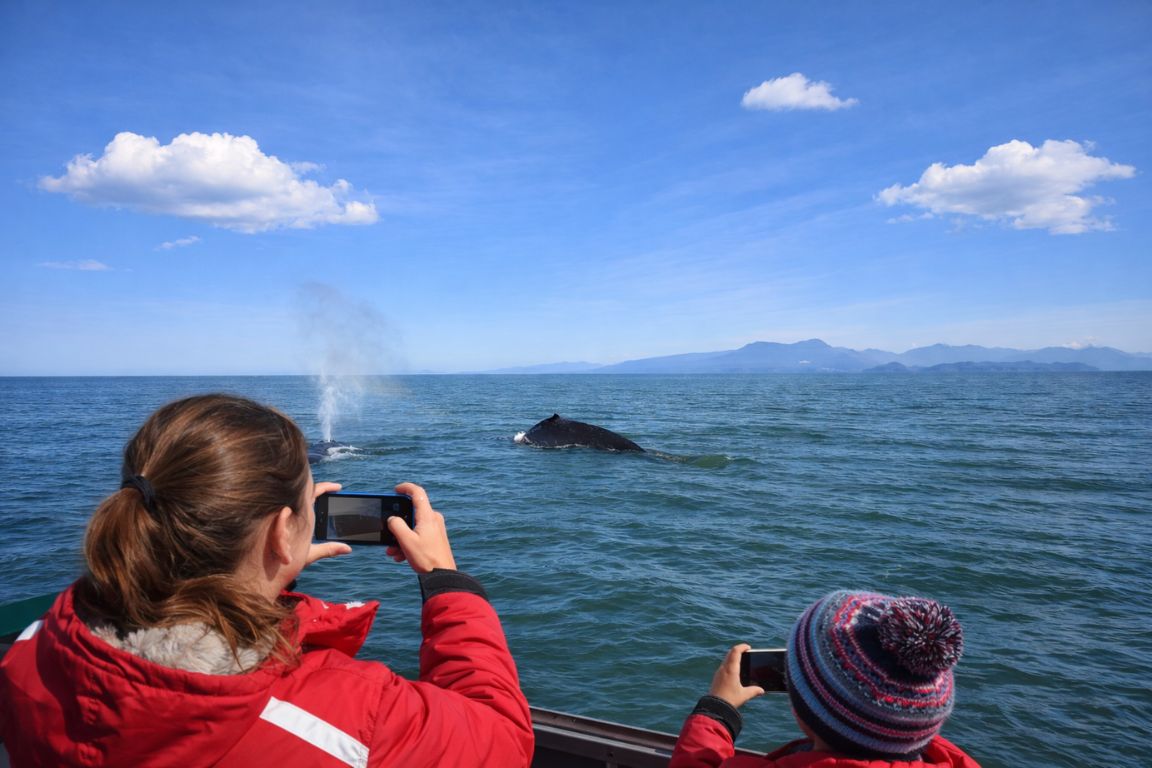 Yes, Vancouver whale watching is worth it for almost any traveler interested in wildlife. Sighting success rates run 95-98% industry-wide, meaning the guarantee is rarely called upon. You’re seeing wild apex predators in open water, often within 90 minutes of downtown. The main question is whether a half-day and $175-240 CAD fits your priorities, not whether you’ll see anything. The tour can be booked here.
The first time you watch an orca surface, the thing that surprises most people is the sound. That sharp, pressurized exhale when the blowhole clears is louder than you expect and oddly close, even at 100 metres. Then the dorsal fin tracks across the water and you understand viscerally why these animals command a full morning of your itinerary.
Vancouver sits at the edge of the Salish Sea, one of the most productive marine ecosystems on the Pacific Coast. The mix of nutrient-rich cold water, strong tidal currents, and a resident prey base of harbour seals and Chinook salmon means whales are here consistently, not just passing through. That’s why operators can credibly promise a sighting guarantee with no expiry date and actually mean it.
The honest caveat is cost. At $200+ CAD per person, this sits in the same range as a Capilano/Grouse Mountain day or a Victoria ferry trip. If wildlife is your reason for being in Vancouver, it should move to the top of the list. If you’re budget-crunching a city trip, it’s the one high-ticket item most travelers say they’d pay again. We’ve guided thousands of people through this decision, and the regret split runs heavily in one direction: people who skipped it wishing they hadn’t, not people who went wishing they’d saved the money.
If you want a half-day trip with a marine naturalist, see the Vancouver whale watching adventure for current departure times. Dates and departure options are listed on the half-day whale watching tour, which is the listing most readers use to compare times.
Want to get the planning right? This breakdown of how to plan a trip to Vancouver Canada tours covers all the details most visitors only figure out after they’ve already arrived.
What Whales Can You See Near Vancouver?
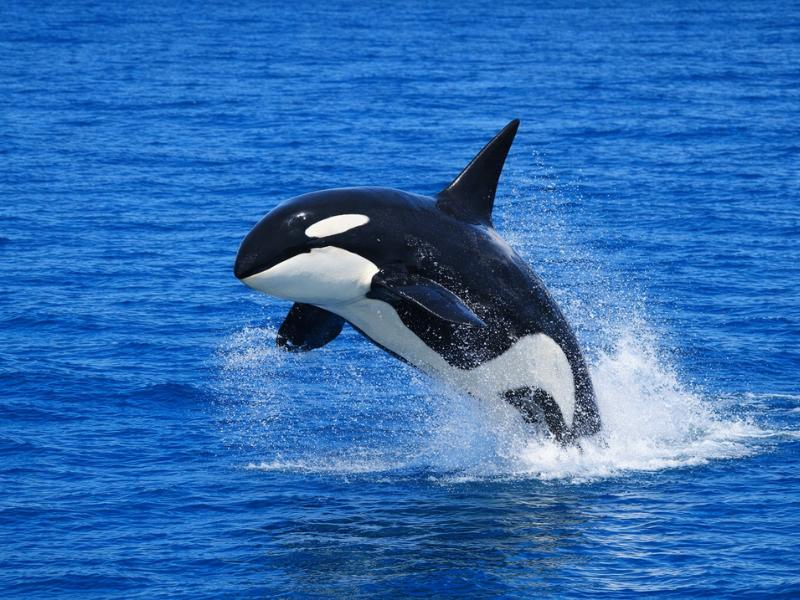
The two species you’re most likely to see are Bigg’s orcas (also called transient killer whales) and humpback whales. Bigg’s orcas are present year-round, hunting seals and sea lions in small stealthy pods. Humpbacks are common from April through November. Gray whales pass through in spring. Minke whales are occasional. Most tours see at least one species; seeing two in a single trip is common from June through September. The tour can be booked here.
The orca situation around Vancouver is more interesting than most whale watching guides explain. There are actually two distinct populations, and they’re different enough that scientists recently proposed classifying them as separate species entirely.
The ones you’ll almost certainly encounter are Bigg’s orcas, the mammal-hunters. They travel in small, quiet groups of two to six animals, often a mother and her offspring, moving silently through the water because the seals and sea lions they hunt can hear them coming. Their dorsal fins are more pointed, their saddle patches a solid grey. When a naturalist identifies an individual by fin shape and calls it by name, that’s usually a Bigg’s whale. Population around 400 along the BC coast, and growing.
The other type, the salmon-eating Southern Resident orcas, are critically endangered. Fewer than 80 animals remain. They follow Chinook salmon runs and communicate loudly in tight family pods. No ethical operator targets Southern Residents for whale watching, and sightings have become rare. If you hear tour operators promising “resident orca” encounters, ask which population they mean.
Humpback whales have made a genuine comeback in the Salish Sea after being hunted to near-local extinction. They’re now common enough that some operators name individual animals their naturalists recognise on repeat trips. Humpbacks are the acrobats: breaching, tail-slapping, and occasionally logging at the surface. The deep, echoing exhale when one surfaces 20 metres from the boat is a sound passengers tend to remember longer than the visual.
We’ve rounded up the best nature tours from Vancouver Canada tours so you’re not stuck wondering which operators know the trails and wildlife versus which just drive you to lookout points.
| Bigg’s (transient) orca | Year-round; peak Apr-Oct | Very high | Stealthy travel in pods of 2-6, seal hunting, occasional breach |
| Humpback whale | April-November | High (May-Oct) | Breaching, tail slapping, logging at surface, distinctive fluke |
| Gray whale | March-May (northbound migration) | Moderate in spring | Bottom feeding, spyhopping, long migration route |
| Minke whale | May-October | Low but possible | Small, fast, often surfacing briefly |
| Harbour porpoise | Year-round | Common | Small, shy, often seen near shore |
| Steller & California sea lions | Year-round; best Sep–Mar | Very high | Hauled out on rocks, vocal |
| Bald eagle | Year-round | Very high | Perched near shore, occasional aerial fishing |
When Is the Best Time for Whale Watching Near Vancouver?
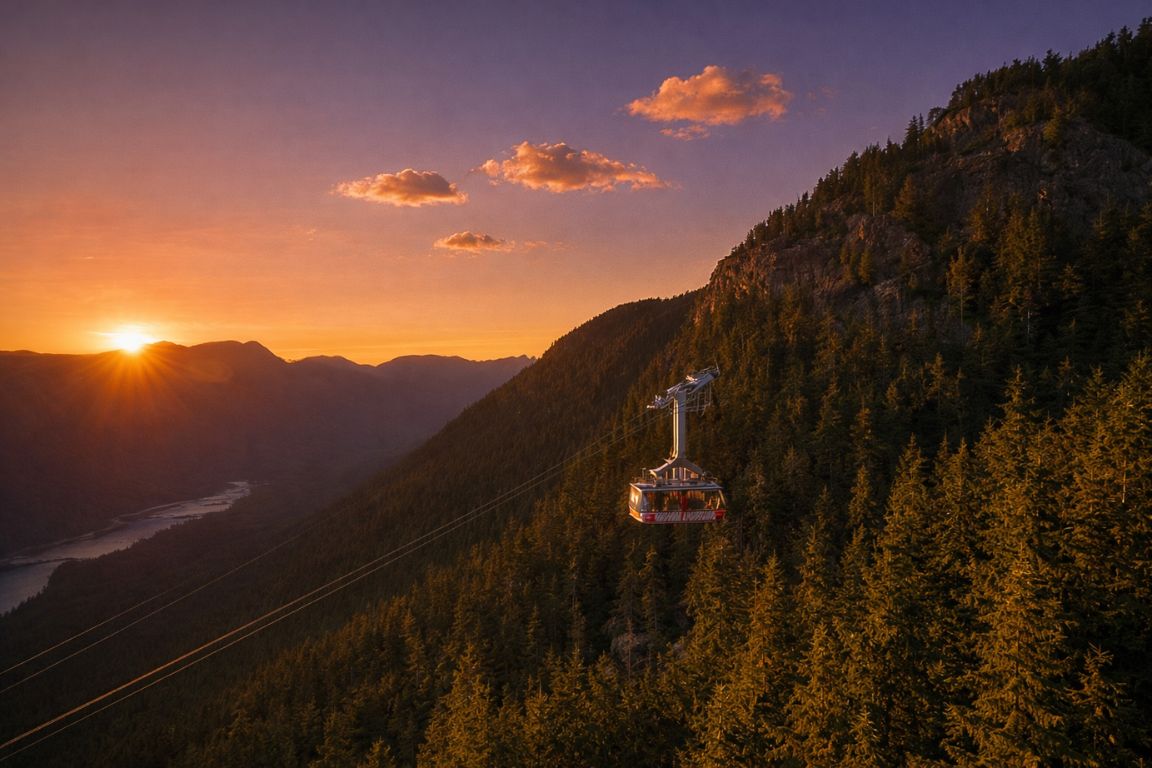 May through September is the peak window, with June, July, and August offering the highest combined probability of seeing both orca and humpback on the same trip. September is excellent and significantly less crowded. April and October are strong for humpbacks specifically. Tours run from March through November, and Bigg’s orcas are technically present year-round, but shoulder months mean shorter days and cooler water crossings. The tour can be booked here.
June is where the season really opens up. Humpbacks have arrived from their winter grounds in Mexico and Hawaii, Bigg’s orcas are actively hunting the growing seal population, and the days are long enough that afternoon tours still get golden light over the Gulf Islands. If you’re choosing a specific month and whale watching matters to you, June is the sleeper pick: good weather, good numbers, before the full July and August tourist crunch.
July and August are peak on every dimension. The most species variety, the most reliable weather, the most crowded tours and the highest pressure on booking availability. Boats sell out weeks ahead. If your trip falls in this window, book your tour first and work the rest of the itinerary around it, not the other way around.
September is underrated in the same way it’s underrated for the city generally. Water temperature has warmed slightly, humpbacks are still feeding actively before their southern migration, and Bigg’s orcas follow the salmon and seals right through autumn. You’ll share the boat with fewer people, book more easily, and often get a naturalist who has more time to explain what you’re seeing.
Spring is primarily a humpback and gray whale season. Gray whales pass through on their northbound migration from Baja California to the Arctic feeding grounds between March and May. It’s a narrow window, and they’re not as reliably present as orcas, but a gray whale sighting from a Vancouver tour boat is uncommon enough that it tends to generate genuine excitement on deck.
Wondering when to go? Check out the best time to visit Vancouver Canada tours – certain months give you sunshine and festivals while others mean constant drizzle.
Recommended tours by season
Vancouver Whale Watching Adventure – Half-Day Tour & Free Photo Package
5-hour tour, March through November. A naturalist is on board and a photo package is included.

Vancouver to Victoria Cruise with Gulf Islands & Butchart Gardens
13-hour day trip from Vancouver through the Gulf Islands, with a stop at Butchart Gardens.
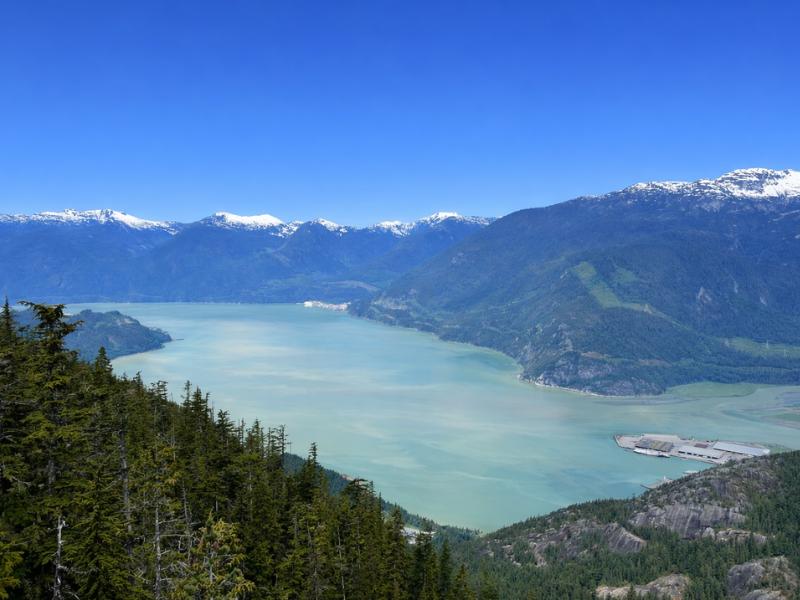
Vancouver to Whistler: Sea to Sky Gondola Tour with Shannon Falls Stop
10-hour day tour from Vancouver to the Sea to Sky Gondola, Shannon Falls, and Whistler.
Vancouver Harbor Sightseeing Cruise – Scenic Waterfront Tour
1-hour waterfront cruise. A shorter harbour option if a half-day trip is more than you need.
Where Do Vancouver Whale Watching Tours Depart From?
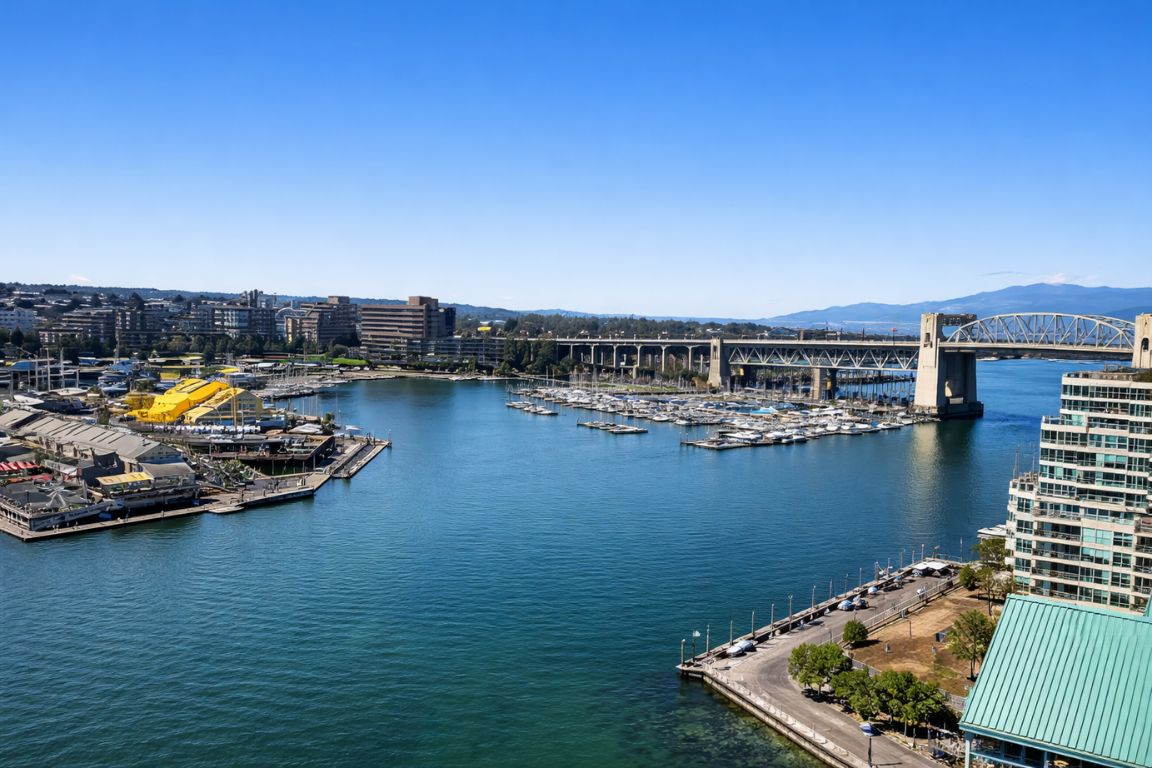
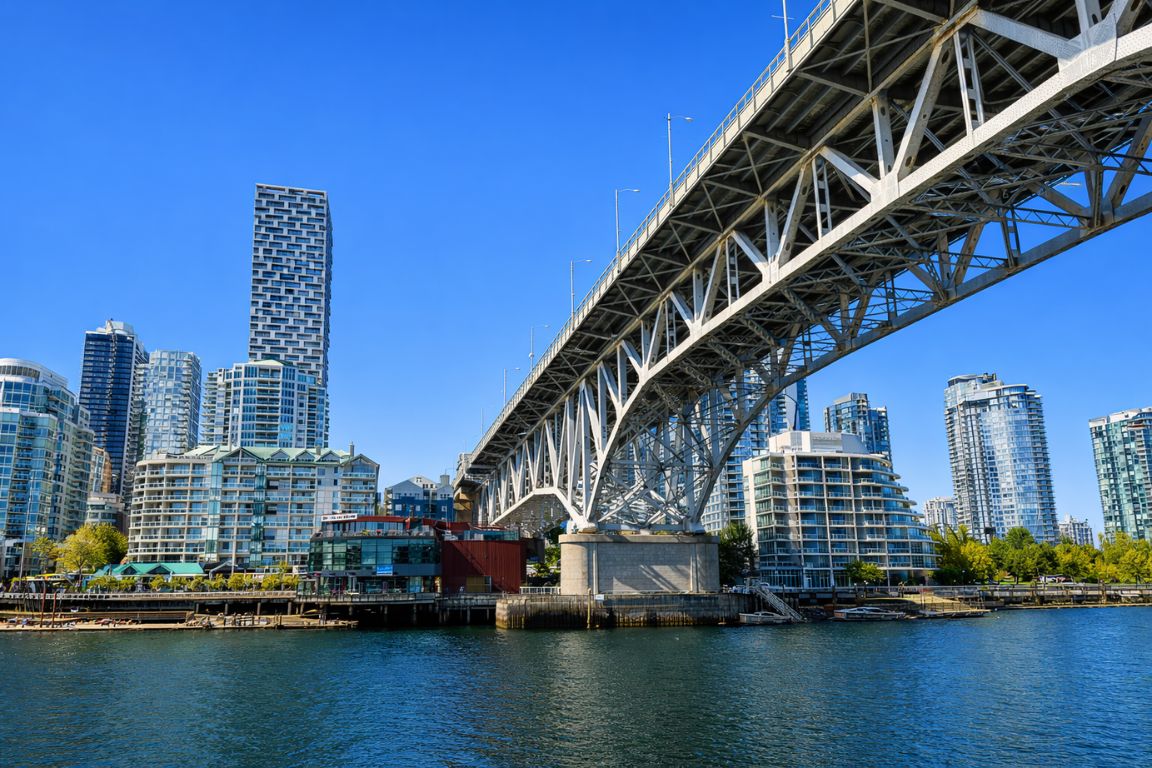 Tours depart from two main locations: Granville Island in downtown Vancouver (10-15 minutes from the city core), and Steveston Village in Richmond (about 35 minutes south of downtown). Granville Island is more convenient if you’re staying downtown and want to pair the tour with a morning at the market. Steveston is closer to the actual whale grounds by about an hour of travel time at sea, which means more time with wildlife and less transit. The tour can be booked here.
The Granville Island departure is the default choice for most visitors, and the logic is sound: you walk or take the False Creek ferry over from downtown, board the boat, and the whole morning slots neatly into a city itinerary. Prince of Whales operates the largest catamaran fleet from here. Wild Whales Vancouver offers smaller zodiac options from the same island. Parking on Granville Island gets competitive after 11am; if you’re driving, arrive early or take the ferry.
Steveston is worth the extra transit if you’re building a full day around it. The village itself is a working fishing harbour with good fish and chips, a genuine boardwalk, and the Britannia Shipyards National Historic Site for the hour before or after your tour. Vancouver Whale Watch and Seabreeze Adventures operate from here. The practical advantage is real: tours departing from Steveston reach whale-active waters significantly faster than those leaving from Granville Island, which have to travel further south through the Strait of Georgia to reach the same grounds.
There is also a hotel pickup option through a couple of operators, which adds convenience at additional cost. If you’re travelling with young children or seniors who find transit logistics stressful, it’s worth considering.
Wondering what to do with children? Check out our guide on visiting Vancouver Canada tours with kids – from aquariums to playgrounds to rainy-day backup plans.
| Prince of Whales | Granville Island | Large covered catamaran (up to 95 passengers) | ~$199-$236 | Families, seniors, motion-sensitive travelers |
| Wild Whales Vancouver | Granville Island | Catamaran or zodiac (small group) | ~$179 | Small-group experience, conservation focus |
| Vancouver Whale Watch | Steveston Village | Semi-covered zodiac | ~$179-$189 | Closer to whale grounds, historic village pairing |
| Seabreeze Adventures | Steveston Village | Zodiac and semi-covered vessels | ~$175-$195 | Adventurous travelers, smaller boats |
What Should You Expect on a Vancouver Whale Watching Tour?
 Expect a 3-5 hour trip through the Salish Sea and Gulf Islands, with a certified marine naturalist on board providing real-time commentary. The boat travels to wherever whales have been reported that morning via the operator network, which is why trip lengths vary. You’ll likely see at least one whale species plus seals, sea lions, eagles, and the Gulf Islands scenery. Bring layers regardless of the season. The tour can be booked here.
The morning starts before you’re on the water. Most operators have their naturalists checking the Pacific Whale Watch Association network, ferry reports, and their own spotters before the first tour departs. By the time you board, the crew usually already has a direction in mind. That’s why experienced guides can say with reasonable confidence before you’ve left the dock whether it looks like an orca morning or a humpback morning.
Once you’re moving, the travel time to the whale grounds can be anywhere from 45 minutes to two hours depending on where the animals are that day. This is the Salish Sea, not a contained bay with resident pods circling predictably. The whales move. Good operators go to where they are, not where they were yesterday.
When a sighting happens, the boat slows and positions itself to stay at the legally required 100-metre minimum. On a catamaran, you’ll move between the upper and lower decks to get the angle you want. On a zodiac, you’re already at near-water-level and close to the rail. The naturalist narrates: which individual, what family group, what the behaviour probably means. These guides often know individual whales by name. Hearing someone calmly say “that’s the T065A matriline, she’s been hunting this stretch since 2008” while a six-metre dorsal fin tracks across the water is one of those experiences that makes the cost feel abstract.
What catches people off guard is how cold it gets out there, even in July. Open water on the Strait of Georgia has its own climate. The city behind you might be 22°C and sunny. On the water, with wind and spray, it can feel ten degrees cooler. Zodiac tours at most operators include a float suit for this reason. If you’re on a catamaran, you’ll have an indoor heated cabin but will want to spend time on the outdoor deck, which means wind exposure. More on packing in the section below.
If you want a covered catamaran with indoor seating, the half-day whale watching tour is the usual fit for mixed groups. Trip length and inclusions are on the whale watching tour page, which makes it easier to match the outing to your group before you book.
How Much Do Vancouver Whale Watching Tours Cost?
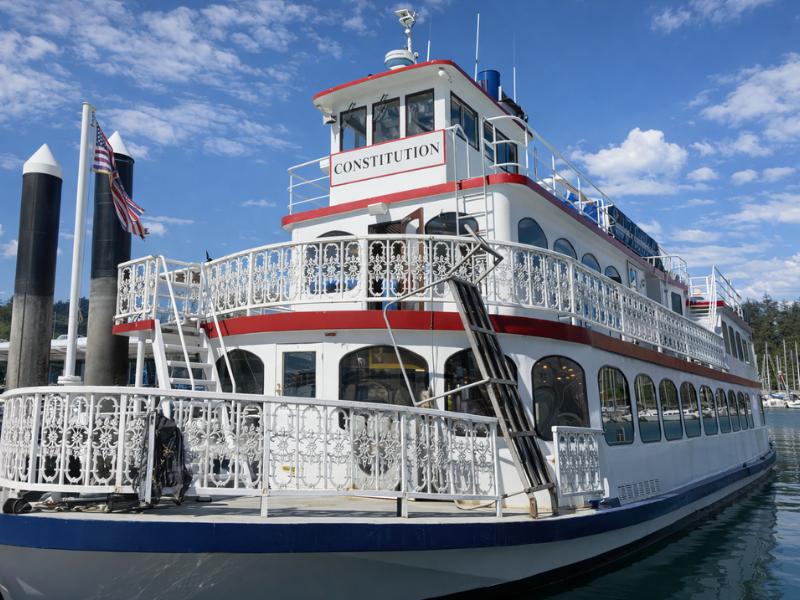
Standard half-day tours cost $175-240 CAD per adult plus GST, with children typically 15-20% less. A family of four should budget $600-800 CAD all-in. Premium options like private charters, hotel pickup packages, or the Vancouver-to-Victoria seaplane-plus-whale-watching combo can run $360-600+ per person. All major operators offer a lifetime free-return guarantee if no whale is sighted. The tour can be booked here.
The core price range has stayed consistent: roughly $180-200 CAD gets you a half-day on a quality vessel with a certified naturalist. The variation comes from vessel type, departure location, and what’s included. Zodiacs tend to price slightly lower than catamarans. Steveston operators are often marginally cheaper than Granville Island equivalents. None of these differences are large enough to drive the decision on their own.
What people underestimate is the add-on category. Some operators include free hot drinks. Some charge for them. A few offer a free photo package, which matters more than it sounds when you’re standing at a rail trying to photograph a moving whale 100 metres away and realizing your phone zoom is completely inadequate. If photographing the trip well is important to you, look for operators who include the photo package, or bring a camera with a real zoom lens (300mm minimum).
The sighting guarantee deserves a mention here. Every major operator offers it: if no whale, you come back free, for life, no expiry. In practice, with 95-98% success rates, it’s rarely used. But it does matter for one practical reason. Book early in your Vancouver stay, not on your last day. If you use the guarantee, you need time to return.
We’ve created a detailed Vancouver travel budget guide because this city will drain your wallet fast if you don’t understand where the costs stack up.
| Solo traveler | $185-$250 | Standard adult ticket + GST |
| Couple | $370-$500 | 2x adult tickets |
| Family of 4 (2 adults, 2 children) | $600-$800 | Child discount 15-20%; zodiac may not take under-9s |
| Premium / private charter | $360-$600+ per person | Hotel pickup, seaplane combos, full-day options |
| Hotel pickup add-on | ~$20 round trip | Available through select operators |
What Should You Wear and Bring on a Vancouver Whale Watching Tour?
Dress in three layers: a moisture-wicking base, an insulating mid-layer, and a wind-resistant outer jacket. Long pants, closed-toe shoes, and a snug hat are standard. Avoid cotton, especially in spring and fall. Most operators provide float suits or weather gear for zodiac passengers. Bring sunscreen, sunglasses, motion sickness medication if you’re prone, and a camera with zoom capacity if photos matter to you.
The single most common complaint from people who had an otherwise great tour is being cold. Not dramatically cold. Just cold enough that the last hour of the trip became a counting-down exercise instead of a watching-whales exercise. This is entirely preventable.
The rule that guides use: dress for weather that is ten degrees cooler and significantly windier than whatever the city forecast says. If it’s a warm July day in Vancouver, that still means a real jacket on the water. If it’s a September morning with some cloud, that means thermal layers under the jacket plus gloves in your pocket. The Strait of Georgia generates its own wind, and spray happens on zodiac tours even in calm conditions.
For zodiac passengers at most Steveston operators: float suits are provided and you wear them over your clothes. This solves the cold problem considerably, but wear layers underneath anyway because the suits are functional, not insulating.
On the medication question: the Salish Sea and Gulf Islands are sheltered waters, not open ocean. The rolling swells that cause severe seasickness on Atlantic or offshore Pacific tours are not typical here. That said, zodiacs bounce more than catamarans, and some people feel nausea on any moving boat. If you have any history of motion sickness, take something preventively. Gravol or generic dimenhydrinate works; take it one hour before departure. Sitting at the centre-rear of the vessel and keeping your eyes on the horizon are the non-medication strategies that actually help.
What Do First-Timers Most Often Get Wrong About Vancouver Whale Watching?
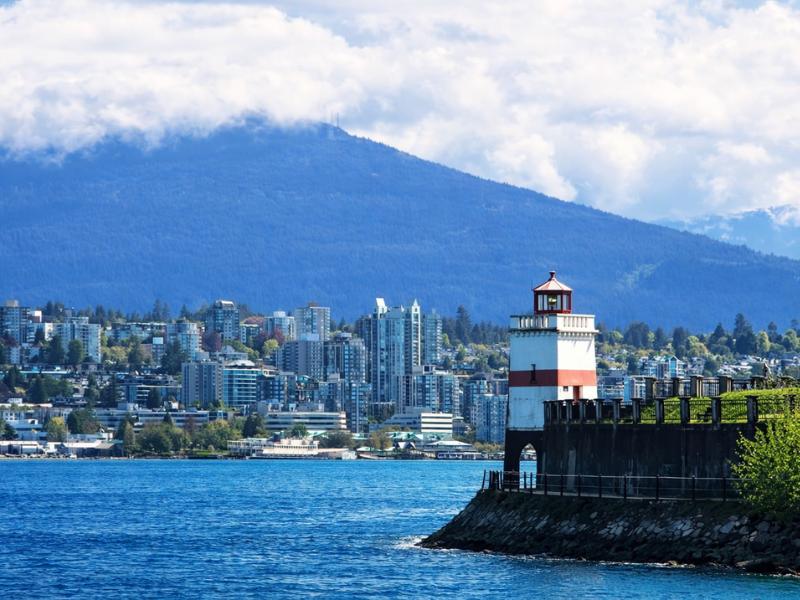
The most common mistakes are booking the tour on the last day of the trip (removing any use of the guarantee), choosing the wrong vessel type for their group’s comfort, bringing only a smartphone camera, and underdressing for the water temperature. A secondary error is treating the whale watching as an either/or with a full-day Steveston trip, when the two pair naturally.
Booking on the final day is the one we see repeatedly. The logic makes sense from a schedule perspective: it slots neatly into checkout day, or gets pushed back as other activities get prioritized. The problem is that if you don’t see a whale (rare, but possible), the guarantee is useless. You’re flying home. Book early.
The vessel choice question trips up first-timers who see “zodiac” and think adventure without thinking about what an hour of open-air travel on the Strait of Georgia actually feels like. Zodiacs are excellent for small groups, for getting close to wildlife, and for people who genuinely want the open-water physical experience. They are not suitable for children under nine, uncomfortable for people with back issues, and harder on anyone prone to motion sickness. The large covered catamarans are smoother, warmer, have washrooms on board, and give you multiple viewing angles. For families, seniors, or anyone uncertain about their sea legs, the catamaran is the right call.
If you’re concerned about physical demands or accessibility, here’s the honest take on Vancouver Canada tours for seniors based on what’s manageable and what’s genuinely senior-friendly.
The phone camera problem is real and specific. Federal regulation requires boats to stay 100 metres from whales. That is not a short distance. A whale at 100 metres on a 12x smartphone zoom is a distant dark shape. People who invest in a camera with even a modest telephoto lens come home with dramatically better photos and a meaningfully different visual experience of the trip.
One thing that rarely gets mentioned: afternoon tours often benefit from the morning scouting. Some experienced guides note that afternoon departures can B-line straight to where orcas were located during the morning trip. It’s not a guarantee, and fresh sightings can shift location by afternoon. But if you have flexibility in your departure time, it’s worth asking operators what their current preference is.
What Our Traveler Groups Tell Us About Whale Watching in Vancouver
| Travelers who saw orca on their tour | 70-85% | Bigg’s transient orcas, most sightings |
| Travelers who saw humpback whale | 60-80% | May-October highest rate |
| Travelers who saw both orca and humpback | 40-65% | June-September window most common |
| Travelers who rated whale watching as trip highlight | 80-95% | Highest single-activity rating in our client surveys |
| Most common regret among travelers who skipped it | 65-85% | Said they wished they had prioritized it |
| Travelers who chose catamaran over zodiac | 60-80% | Particularly high among families and 55+ travelers |
Frequently Asked Questions
Can you see whales in Vancouver from shore?
Occasionally, but not reliably. Harbour seals are visible from Stanley Park beaches year-round, and transient orcas have been spotted from shore in rare circumstances. For an actual whale watching experience, you need a boat. There is no equivalent of the California coast’s land-based whale watching spots near Vancouver city proper.
Is whale watching in Vancouver or Victoria better?
Both are excellent, but they access different grounds. Victoria tours run through the Juan de Fuca and Haro Straits, historically the territory of Southern Resident orcas (now endangered and rarely seen) but still good for Bigg’s orcas and humpbacks. Vancouver tours cover the Salish Sea and Gulf Islands corridor. The practical difference for most visitors is logistics: if you’re based in Vancouver with limited time, go from Vancouver. If you’re doing a Victoria day trip, adding a whale watching tour there makes sense. Some operators run a seaplane-from-Vancouver, whale-watch-from-Victoria combo that covers both in a day.
Are Vancouver whale watching tours suitable for children?
Yes, with vessel caveats. Catamarans take children of any age. Zodiacs typically require a minimum age of nine due to the physical demands of the open-air ride and safety protocols. Children under 13 ride TransLink transit free but note that most Steveston-based tours require either your own vehicle or a paid shuttle from downtown. Prince of Whales from Granville Island is generally the smoothest option for families with young children.
What happens if you don’t see a whale?
Every major operator offers a free return trip with no expiry date. In practice, with 95-98% industry-wide success rates, this guarantee is rarely triggered. The key thing is to book early in your Vancouver stay so you have time to redeem it if needed. Don’t book on your last day in the city.
Do I need to book whale watching tours in advance?
Yes, especially for July and August. Popular departure times sell out weeks ahead during peak season. Book online as soon as your travel dates are confirmed, and look for tours with free cancellation so you can reschedule if the weather doesn’t cooperate. Most operators allow cancellation up to 24 hours in advance for a full refund.
Is whale watching in Vancouver ethical?
Reputable operators in Vancouver are members of the Pacific Whale Watch Association (PWWA) and adhere to federal Whale Wise guidelines. The 100-metre minimum distance is a hard rule, engines must be cut or idled near whales, and operators are trained to minimize disturbance. The bigger conservation issue is the declining salmon populations that threaten Southern Resident orca survival, which tour companies generally explain and advocate around on-tour. Booking with PWWA-certified operators is the baseline check.
Whale watching is one of those experiences that people talk about for years, not days. The Salish Sea delivers it reliably, but matching the right tour to the right group matters more than most booking sites explain.
The usual next step from this guide is to check dates for the half-day whale watching tour.
Written by Ethan James Carter
Canadian tour guide since 2010 · Founder, Vancouver Canada Tours
Ethan has guided over 11,400 travelers through Vancouver, the North Shore mountains, and British Columbia’s coast since founding the agency.
Choose the experience that fits your trip
Our starting recommendation; confirm your party’s needs and travel date.
Compare alternatives and adjust the recommendation
| Experience | Why pay for it | Time and practical limits |
|---|---|---|
| Covered Whale Watching From Vancouver | Five-hour whale watch with naturalists, indoor cabin, outdoor decks and wildlife photos. | 330 min planning window Wildlife is not guaranteed on a particular departure. Return-tour guarantee has fees; meals extra. |
| Open-air Whale Watching From Granville Island | A naturalist-led wildlife outing on an open-air catamaran, with washrooms and optional warm outerwear. | 345 min planning window Ages 3+; not suitable during pregnancy or for wheelchair users. Food and transfers extra. |
Compare your own quotes in CAD
Use totals for the same people, date and inclusions. Add transport, tickets and taxes to the independent plan.
Check your date before arranging the rest of your day
Covered Whale Watching From Vancouver
Five-hour whale watch with naturalists, indoor cabin, outdoor decks and wildlife photos.
1666 Duranleau Street, Granville Island; check in 30 minutes early; returns there. Wildlife is not guaranteed on a particular departure. Return-tour guarantee has fees; meals extra.
Choose a date to see scheduled departures. Availability and final price are confirmed on Viator.
Your date is a planning check; select it again on Viator to confirm your booking.