Is Vancouver Safe for Tourists?
Is Vancouver safe for tourists? Yes, most areas are very safe. Just avoid the Downtown Eastside and watch for vehicle theft.
For a paid experience alongside this plan, Vancouver City Highlights Tour adds city highlights with transport.
Last updated: March 11, 2026
Quick Facts: Vancouver Safety for Tourists
| VPD Crime Severity Index (2024) | 81.2, down from 2023 (VPD reported) |
| Vancouver homicide rate | Approx. 2.1-2.3 per 100,000 (stable, below Canadian average of 1.91 nationally in 2024) |
| Random stranger attacks | Less than 1% of all violent crime incidents (VPD) |
| Main tourist risk | Property theft, particularly from vehicles |
| Area to avoid | East Hastings Street / Main & Hastings intersection (Downtown Eastside core) |
| Emergency number | 911 |
| Transit Police non-emergency | Text 87-77-77 or call 604-515-8300 |
| VPD non-emergency | 604-717-3321 |
| NightBus service | Operates 1:30am-5:30am, 7 nights/week, departs every 20-30 min from Granville & West Georgia |
Data sourced from Vancouver Police Department public reporting and TransLink safety guidance. Verified March 2026.
Is Vancouver Actually Safe for Tourists in 2026?
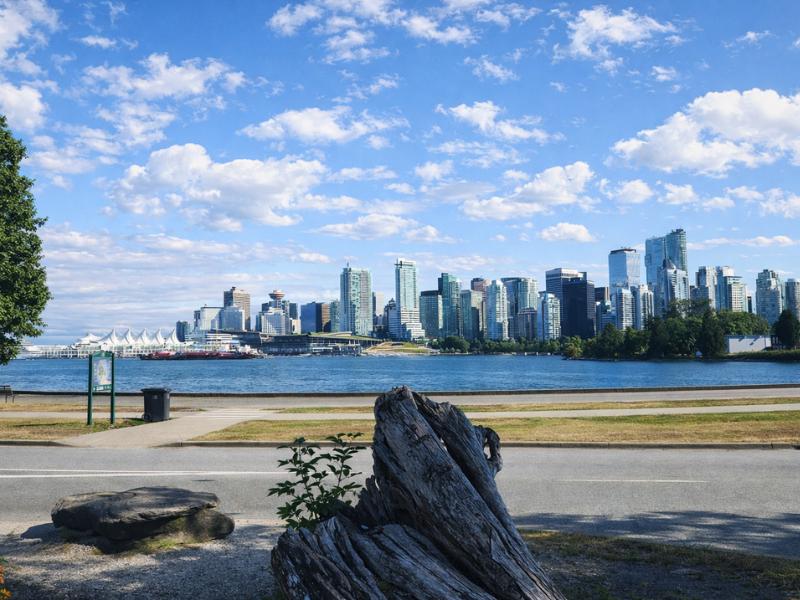
Vancouver is safe for tourists in 2026. Violent crime against visitors is rare, the tourist-facing parts of the city carry modest crime rates by North American standards, and the VPD reported a declining Crime Severity Index in 2024 compared to the year before. The city’s main safety challenge, the Downtown Eastside, is geographically contained and easy to avoid without altering a normal tourist itinerary.
The question gets complicated because Vancouver has a reputation that outpaces its reality for tourists. The Downtown Eastside is one of the most documented concentrations of urban poverty and open drug use in Canada. It generates news coverage, it shocks first-time visitors who stumble across it, and it leaves an impression that spreads through travel forums and word of mouth. That reputation is not dishonest. The neighbourhood is genuinely difficult. But it occupies a specific part of the city, several blocks east of Gastown, and most tourists will never need to walk through it.
The Vancouver Police Department reported a Crime Severity Index of 81.2 in 2024, lower than the previous year. Vancouver’s homicide rate has remained in the range of 2.1 to 2.3 per 100,000 people in recent years, stable and below the national Canadian average. The VPD’s own public reporting notes that random stranger attacks account for less than 1% of all violent crime incidents in the city. That’s a number worth sitting with when you’re reading travel forum posts about “dangerous Vancouver” written by people who saw the block of Hastings Street between Main and Columbia.
What is genuinely elevated in Vancouver is property crime, particularly vehicle break-ins and bike theft. This doesn’t affect tourists in the same way it affects residents, but it does mean you shouldn’t leave anything visible in a rental car and you should keep aware of your belongings in crowded tourist areas like Granville Island’s market or the SkyTrain during peak hours. The risk is theft, not violence. That’s a meaningful distinction.
Vancouver also ranked in the top 10 for personal safety in the 2024 Safe Cities Index by the Economist Intelligence Unit, sitting 7th globally alongside Calgary in the top positions for Canadian cities. That ranking covers digital security, infrastructure safety, health security, and personal safety. It’s not the whole picture, but it’s a useful data point against the impression some travelers arrive with.
We’ve mapped out how to plan a trip to Vancouver Canada tours based on what actually matters – weather timing, must-see spots, and how to navigate the city efficiently.
Which Vancouver Neighbourhoods Should Tourists Avoid?
 The only area tourists should actively avoid is the East Hastings Street corridor in the Downtown Eastside, specifically the blocks around Main and Hastings. Gastown, Chinatown, and the rest of downtown are fine during the day and on the main streets at night. Yaletown, the West End, Kitsilano, and North Vancouver are consistently safe for visitors at any hour.
Here’s how the neighbourhoods most relevant to tourists actually break down:
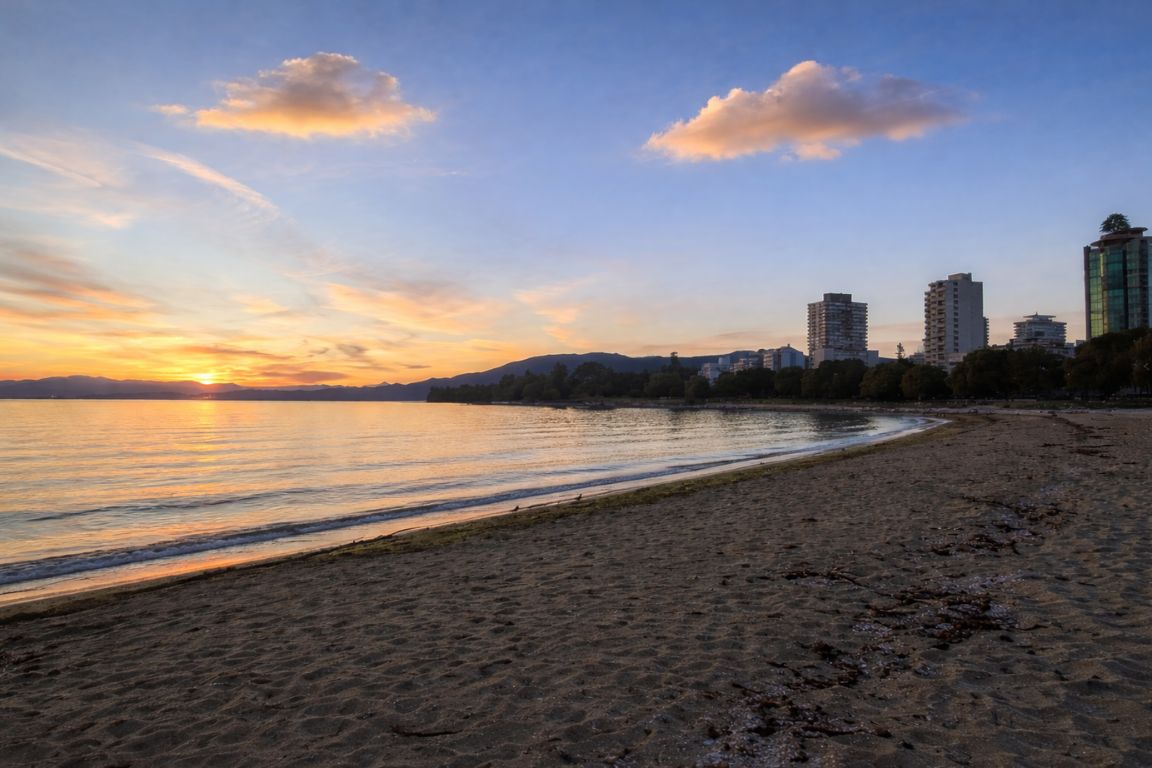
West End and Coal Harbour: Among the safest in the city. Stanley Park sits at one end, English Bay at the other, and the streets are busy with residents at all hours. Very low concern for tourists day or night.
Downtown core (Robson, Granville, Georgia corridors): Fine during the day. Granville Street near the clubs gets loud and occasionally scrappy after midnight on weekends, which is less about safety and more about bar strip energy. The blocks around the main shopping and restaurant areas are normal city streets.
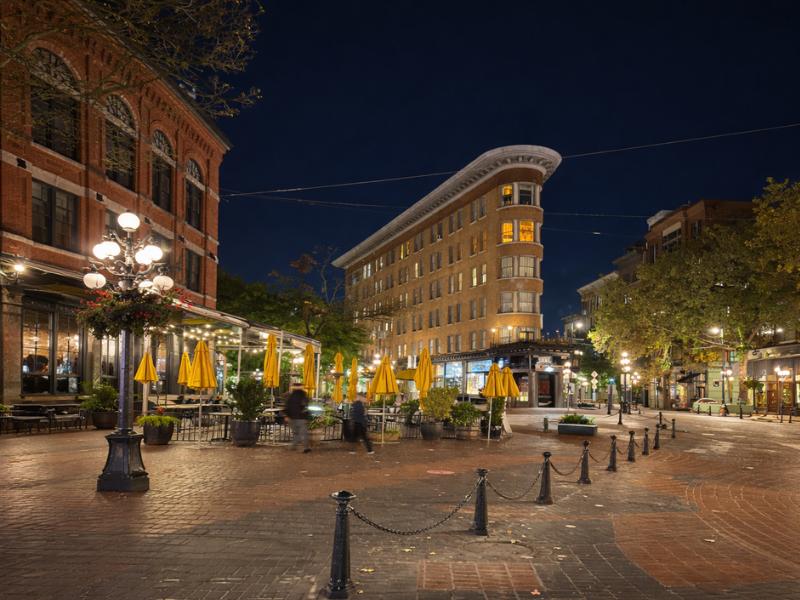
Gastown: Water Street and the surrounding tourist blocks are safe to walk. The complication is the eastern edge. Gastown borders the Downtown Eastside, and if you walk east of Carrall Street (where the Gassy Jack statue stands) or south toward East Hastings, the character of the street changes fast. The practical rule: enjoy Gastown’s western blocks, don’t wander east toward Hastings after dark.
Chinatown: Worth visiting, particularly during the day for the Dr. Sun Yat-Sen Garden and the historic streetscape. It borders the DTES, so the same east-and-south caution applies at night. Take a rideshare back to your hotel after a late dinner rather than walking east toward the DTES fringe.
Yaletown: One of downtown’s most comfortable neighbourhoods for tourists. Upscale, well-lit, residential density that keeps streets active. Car break-ins exist, as they do everywhere in Vancouver, but the neighbourhood itself poses minimal concern for visitors.
Kitsilano and North Vancouver: Relaxed, residential, very low crime rates compared to the city average. Kitsilano has some of the best beaches, neighbourhood restaurants, and a Saturday farmers market at Kitsilano Showgrounds that feels as safe as anywhere in Canada.
What Is the Downtown Eastside and Do Tourists Need to Worry About It?
The Downtown Eastside (DTES) is Vancouver’s most distressed neighbourhood, centred around Main and Hastings, and it is genuinely difficult to walk through. Most of the population are people struggling with severe addiction and mental illness, not people who pose a threat to passing tourists. Violent crime in the DTES is largely internal to that community. Tourists don’t need to go there, and the itinerary reasons to walk through it are essentially none.
The DTES has been a documented public health emergency since 1997, when an HIV and overdose crisis led the City of Vancouver to declare it officially. The fentanyl era made things significantly worse. The Province of BC announced further emergency measures in November 2025, and Vancouver City Council approved new investments in SRO housing and community safety in December 2025. These are long-term structural problems, and they will not be resolved on the timeline of your trip.
What tourists actually need to know is geographic. The DTES core, the blocks people are warning you about, is roughly bounded by the area around Main and Hastings going east. The section sometimes called “the 100 block of East Hastings” is the most concentrated. Gastown’s tourist area is directly to the west. Chinatown is to the south. If you walk between the two on Pender Street rather than Hastings, you bypass the worst of it entirely.
If you do accidentally walk through that area, here is what the experience is actually like: you will see a high concentration of people in visible distress, open drug use, and a generally chaotic street scene that looks unlike anything in most tourists’ experience of Canadian cities. Most people there are not interested in you. They are absorbed in their own circumstances. The risk of something happening to you specifically is low. The experience is disturbing and, for many people, genuinely upsetting. The appropriate response is to keep moving, not to interact, and not to photograph people without their knowledge.
The VPD reported a 13% drop in violent crime in the DTES compared to 2024, which reflects ongoing enforcement initiatives. That’s a meaningful improvement. It doesn’t change the practical advice: tourists have no reason to be on that specific stretch of Hastings, and not going there is straightforward.
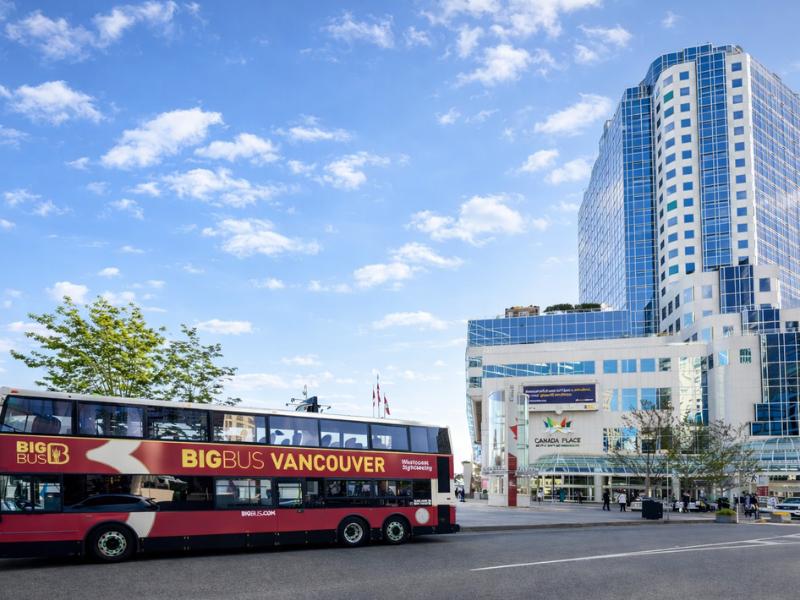
If you’d rather not spend your Vancouver visit thinking through all of this, the hop-on hop-off sightseeing tour follows a set loop of visitor stops so you are not choosing the route block by block. We’ve been doing this since 2010 and know every corner of the city.
Is Vancouver Safe for Solo Female Travelers?
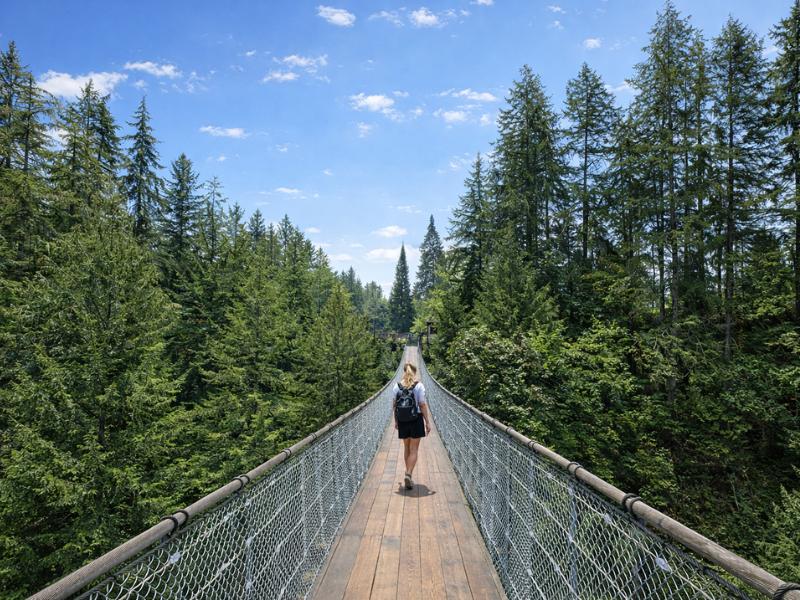
Yes. Solo female travelers consistently report Vancouver as one of the more comfortable Canadian cities to navigate independently. The West End, Kitsilano, and Yaletown are safe to walk at night. The standard precautions that apply in any large city apply here: stay on main streets after dark, keep situational awareness in Gastown’s eastern edge, and don’t leave drinks unattended in bars.
The honest version of this answer is that Vancouver is considerably safer than its DTES reputation suggests, and women traveling alone there typically have fewer incidents than they would in comparable US cities. The main concern is not targeted harassment but the general unpredictability that comes with a neighbourhood dealing with severe mental health and addiction crises. Stay out of the DTES core, and that specific variable is removed.
What multiple solo female travelers report consistently across forums and review sites is that the city feels approachable. People are generally helpful when asked for directions. Bar staff are attentive. The West End, which has a large and active LGBTQ+ community along Davie Village, creates a welcoming environment at night that many solo travelers specifically mention as comfortable. Gastown’s cocktail bars and restaurants on Water Street are the kind of places where sitting at the bar alone doesn’t produce unwanted attention.
A few specific habits that solo female travelers have flagged as genuinely useful in Vancouver: save the Transit Police non-emergency text number (87-77-77) before you need it; confirm your rideshare plate number inside the app before getting in; and on later SkyTrain rides, position yourself toward the middle of the platform near other riders rather than at the far ends. None of this is Vancouver-specific, but it’s worth stating.
One honest note: the DTES issue and the visibility of street-level drug use and mental health crises affects some solo female travelers more than others, depending on prior experience with urban poverty. It’s not a direct safety threat to you as a tourist. But it can be jarring, and for some people it affects how the whole city feels. Worth knowing before arrival.
If you’re planning a family trip, here’s the honest take on visiting Vancouver Canada tours with kids based on what actually keeps them engaged and what’s overrated.
Recommended tours by season

Vancouver Whale Watching Adventure – Half-Day Tour & Free Photo Package
A five-hour whale watching trip from Vancouver, with a photo package included.
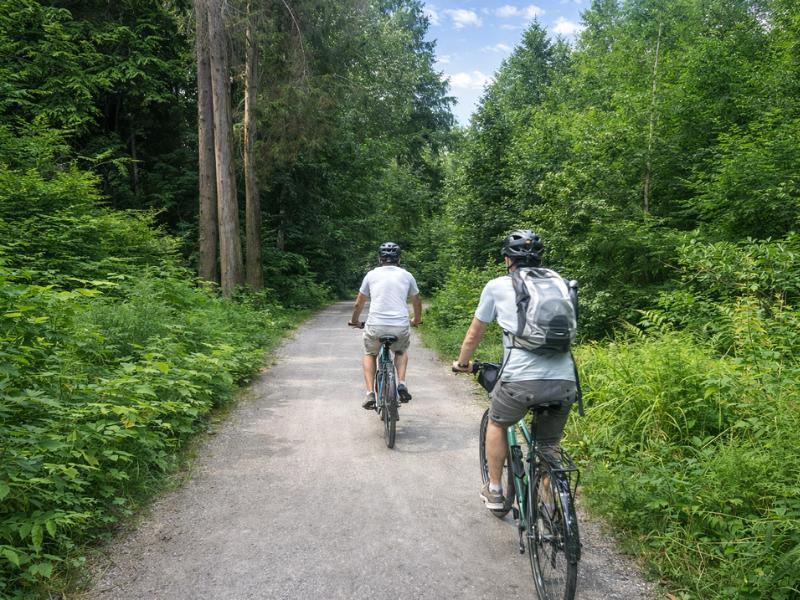
Best Vancouver Bike Tour – Guided Ride with Local Expert
A five-hour guided bike ride with a local expert.
Capilano Suspension Bridge Park Admission Ticket
Admission ticket for Capilano Suspension Bridge Park. About three hours on site.
Gastown Lost Souls Walking Tour – Vancouver’s Dark History
A one-hour walking tour of Gastown’s darker history.
What Are the Most Common Tourist Safety Issues in Vancouver?
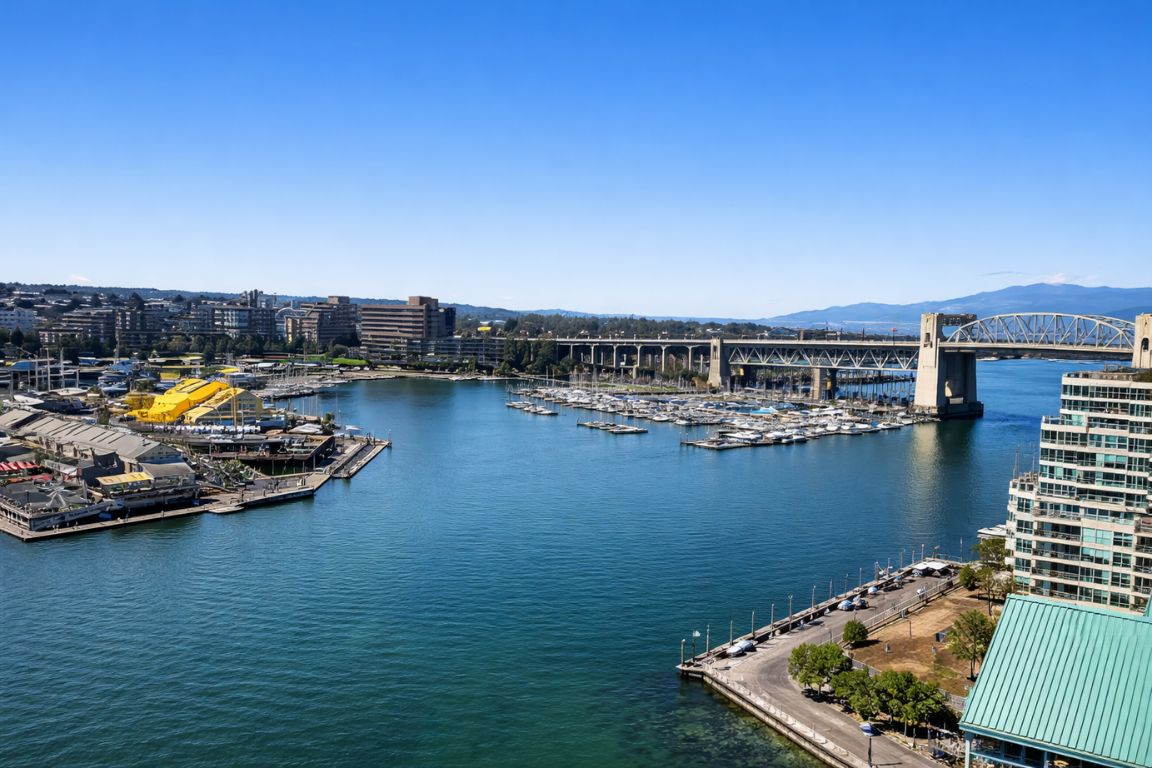 Property theft is the most common safety issue tourists face in Vancouver, not violent crime. Vehicle break-ins are particularly high city-wide. Petty theft in crowded tourist areas is the second concern. The chance of experiencing violence as a tourist in your normal itinerary, in the West End, Gastown’s tourist blocks, Granville Island, the North Shore, or Stanley Park, is genuinely low.
Here’s what actually catches visitors off guard, drawn from patterns I’ve watched develop over 15 years of guiding:
Rental car break-ins. Vancouver has one of the highest rates of vehicle break-ins in Canada. This is not targeted at tourists specifically. But tourists are more likely to leave items visible in a car (luggage, electronics, shopping bags) because they don’t have anywhere else to put them. Leave absolutely nothing in a parked vehicle. A charging cable on the seat is enough. Thieves here are opportunistic and fast.
Bag awareness in Granville Island. The Public Market gets very crowded, especially summer afternoons. Backpacks worn on your back are harder to monitor in tight spaces. A crossbody bag worn in front eliminates most of this risk. Nothing dramatic will happen, but petty theft follows crowds, and Granville Island draws them reliably.
Panhandling and scams. Downtown Vancouver has a visible panhandling presence. Most of it is exactly what it looks like: people asking for change. Occasionally someone will approach tourists with a story about being stranded and needing cash. Acknowledge them, decline, keep moving. Don’t provide cash or personal information to strangers who initiate contact with a financial request.
Drink safety in bars. This applies everywhere in North America, but it’s worth saying plainly: don’t leave drinks unattended in Vancouver bars. The VPD and local safety organizations have flagged drink tampering as a real risk tied to sexual assault. Finish your drink before stepping away, or take it with you.
Unexpected encounters near Gastown’s eastern edge. First-time visitors sometimes wander east of the tourist blocks expecting more of the same cobblestone charm, and instead find themselves on East Hastings. This is not dangerous in the way being mugged is dangerous. But it is uncomfortable, it can be genuinely upsetting, and it’s entirely avoidable by not walking east past Carrall Street.
Trying to figure out which tour company to trust? Our guide to the best Vancouver city tours shows you exactly what sets each one apart beyond just price.
Is Public Transit in Vancouver Safe to Use?
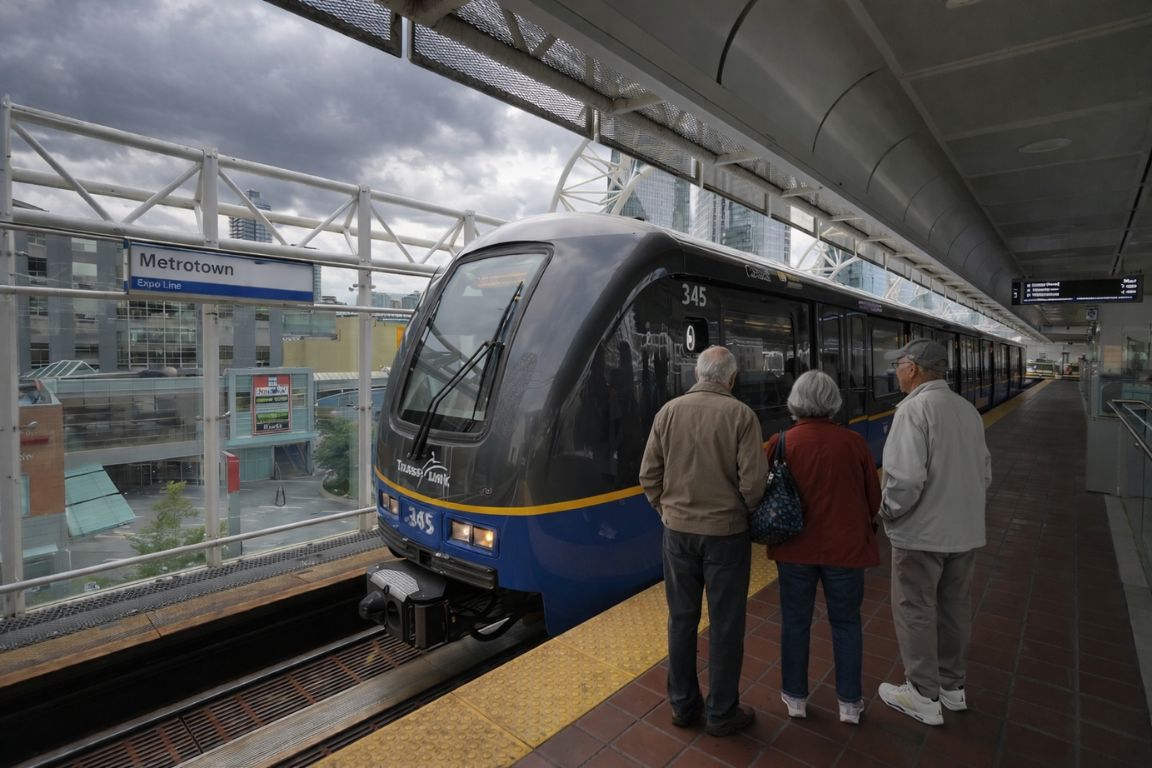 Yes. The SkyTrain, SeaBus, and buses are safe for tourists during normal hours. Metro Vancouver has the only dedicated transit police service in Canada. TransLink’s NightBus runs 1:30am to 5:30am on all seven nights of the week, departing every 20 to 30 minutes from Granville and West Georgia. Taking transit home late at night is a better option than walking through uncertain areas.
The SkyTrain carries over 140 million boardings annually. For the volume of people it moves, serious incidents are rare. The Canada Line from YVR airport runs until just after midnight, and coming in on a late flight and taking it downtown is completely reasonable, even with luggage. People do it every night.
Some specific guidance from the Transit Police, which is the only dedicated transit police force in Canada: on platforms late at night, stand near other riders rather than at the far ends; sit in an aisle seat rather than against a window if you’re alone and want to be able to move quickly; and if something makes you uncomfortable, text the Metro Vancouver Transit Police at 87-77-77 rather than confronting the situation directly.
The NightBus is underused by tourists, which is a shame. Regular SkyTrain service stops around 1am. After that, NightBus routes cover the city every 20 to 30 minutes from the hub at Granville and West Georgia. Knowing this before you go out for the evening means you’re not scrambling for a rideshare at 2am when surge pricing has other ideas. Screenshot the route you’ll need before you leave the hotel.
One station worth a mention: Stadium-Chinatown SkyTrain is fine, but it sits at the edge of an area that gets more chaotic at night. If you’re returning to downtown from an event at BC Place or Rogers Arena late at night, the platform is busy and well-lit and the train is full. No issue. Walking several blocks north toward Hastings from there after midnight is unnecessary and inadvisable.
Curious about car-free options? Here’s everything about Vancouver Canada tours without a car – transit routes, bike lanes, and when you might need a rideshare.
How Does Vancouver Compare to Other Major Canadian and North American Cities for Safety?
 Vancouver is safer than most comparable American cities and sits in the middle range of major Canadian cities. Its homicide rate of roughly 2.1 to 2.3 per 100,000 is well below the US national average and far below cities like Chicago (18.5 per 100,000). Among Canadian cities, Vancouver’s Crime Severity Index is lower than Winnipeg, Edmonton, and Saskatoon, though higher than Toronto or Quebec City.
The comparison that matters most to most tourists is US cities, because that’s where a large share of Vancouver visitors come from and where their reference points are formed. Chicago’s homicide rate in recent reporting runs around 18.5 per 100,000. San Francisco sits at 8.6. New York City at around 5.1. Vancouver at 2.1 to 2.3 is in a different category. Property crime in Vancouver is elevated compared to some US cities, but violent crime is not.
Within Canada, Vancouver’s Crime Severity Index of 81.2 (2024) sits above Toronto’s CSI of approximately 59, but well below Winnipeg (126.9) or Edmonton (114.9). If you’ve visited Winnipeg or Edmonton and had a fine trip, Vancouver’s aggregate numbers are not a reason for concern. If your frame of reference is Toronto or Ottawa, expect Vancouver to feel slightly rougher around a few specific edges, mostly attributable to the DTES, and not materially different for tourist-facing areas.
The 2024 Economist Intelligence Unit Safe Cities Index ranked Vancouver 7th globally for overall safety and Calgary 5th, making them two of the world’s top-ten safest large cities. Personal safety scores specifically placed Vancouver strongly among peer cities. This isn’t a number that erases the DTES reality, but it is the global context for a city that often gets described through the lens of one concentrated neighbourhood.
| Vancouver, BC | ~2.1-2.3 | Low violent crime in tourist areas; DTES isolated |
| Toronto, ON | ~2.5-3.1 | Very safe for tourists; specific east-end caution |
| Montreal, QC | ~1.5-2.0 | Among Canada’s safest major cities for visitors |
| Winnipeg, MB | ~4.0-5.0 | Higher violent crime; specific area awareness needed |
| New York City, NY | ~5.1 | Safer than US average; tourist areas generally fine |
| Chicago, IL | ~18.5 | Significant neighbourhood variation; tourist areas safer |
| San Francisco, CA | ~8.6 | Elevated property crime; downtown challenges |
Homicide rates drawn from most recent available official reporting (2022-2024 data). Figures vary year to year; use as directional context only. Verified March 2026.
What Should You Do If Something Goes Wrong in Vancouver?
For emergencies, call 911. For non-emergency police matters (reporting a theft, lost property, minor incidents), call the VPD non-emergency line at 604-717-3321. For transit-related issues, text Metro Vancouver Transit Police at 87-77-77. Most tourist-facing problems in Vancouver are property crimes, and reporting them promptly helps both the police record and any insurance claim you need to file.
The VPD runs a system called GeoDASH, an online public crime mapping tool that shows recent incident data by neighbourhood. If something has happened in your area or you want to check a neighbourhood before walking through it at night, it’s worth bookmarking before your trip.
If your car is broken into, report it to the VPD non-emergency line before calling your rental company. Many rental agreements require a police file number for any claim. The same applies to theft of personal property anywhere in the city.
Medical emergencies: Vancouver General Hospital is the main trauma centre, located on 12th Avenue in the Fairview neighbourhood. St. Paul’s Hospital is in the West End near downtown. Walk-in medical clinics are common throughout the city if you need non-emergency care.
If you’re a visitor from the US and something goes wrong, your travel insurance typically requires a police report within 24 hours for property claims. Don’t wait on this. The VPD non-emergency line handles these calls efficiently and the process is straightforward.
Lost passport or identification: the nearest US Consulate is at 1075 West Georgia Street in downtown Vancouver. For Canadian documents, Service Canada offices handle most paperwork needs.
Questions about safe routing, which neighbourhoods to avoid, which tours are appropriate for different group sizes? The Capilano and Grouse Mountain small-group day is a practical option when you want the North Shore routing decided in advance.
What Our Travelers Actually Experience in Vancouver
Based on our experience guiding over 11,400 travelers through Vancouver since 2010, including guided groups, private tours, and independent itinerary planning for visitors from more than 40 countries:
| Petty theft or property crime | 15-30% | Leave nothing in vehicles; crossbody bag in markets |
| Uncomfortable encounter near DTES | 20-40% | Easily avoided with basic routing awareness |
| Panhandling or scam approach | 40-60% | Acknowledge, decline, keep moving |
| Violent incident or direct threat | 1-5% | Extremely rare in tourist areas |
| Felt unsafe at any point in the trip | 10-25% | Almost always tied to specific DTES proximity |
Based on Vancouver Canada Tours client records and post-trip feedback, 2024-2025 season.
Frequently Asked Questions
Is Vancouver safe to walk around at night?
Most of Vancouver is fine at night. The West End, Yaletown, Coal Harbour, Kitsilano, and Gastown’s tourist blocks on Water Street are all walkable after dark. The exception is the Downtown Eastside core around East Hastings Street, where the concentration of addiction and homelessness makes it uncomfortable and inadvisable for visitors at any hour, but particularly at night. Staying on main streets and in lit areas is reasonable standard practice.
Is the Downtown Eastside dangerous for tourists?
The DTES core (mainly East Hastings Street between Main and about Carrall) is the most troubled area in Vancouver. Most violence there is internal to the community, not directed at passing tourists, and the VPD reported a 13% violent crime drop in the neighbourhood in 2025. But there is no tourist reason to be there, it’s easy to bypass, and the experience is genuinely disturbing in ways most visitors don’t want on a holiday. Simply avoid it.
Is Vancouver safe for solo female travelers?
Yes. Solo female travelers consistently rate Vancouver as one of Canada’s more comfortable cities to visit independently. The West End, Davie Village, and Yaletown all have active evening scenes where solo women report feeling at ease. Normal city precautions apply: stick to main streets late at night, don’t leave drinks unattended, and save the Transit Police non-emergency text number (87-77-77).
What is the biggest safety risk for tourists in Vancouver?
Property theft, particularly vehicle break-ins. Vancouver’s vehicle break-in rate is among the highest in Canada. Never leave anything visible inside a parked car. In crowded tourist areas like Granville Island, wear bags across the front. Violent crime against tourists is rare.
Is the SkyTrain safe in Vancouver?
Yes. The SkyTrain system carries over 140 million boardings a year and is generally safe. Metro Vancouver has a dedicated transit police force, the only one in Canada. Late at night, stand near other riders on platforms, sit in aisle seats when alone, and use the NightBus (1:30am-5:30am, every 20-30 minutes) rather than walking through uncertain areas after transit closes.
How does Vancouver compare to US cities for safety?
Vancouver is considerably safer than most major US cities by homicide rate: roughly 2.1-2.3 per 100,000 compared to Chicago (18.5), San Francisco (8.6), or New York (5.1). Property crime is elevated by Canadian standards but comparable to or lower than many American cities. The Economist Intelligence Unit ranked Vancouver 7th globally for overall safety in 2024.
Visit Vancouver with Confidence
Over 11,400 travelers have explored Vancouver on tours with our team since 2010. We know every neighbourhood, every routing decision, and every place worth your time. If you’d rather spend your trip looking at the city instead of worrying about it, browse guided nature tours with the routing already set.
Written by Ethan James CarterCanadian tour guide since 2010 · Founder, Vancouver Canada Tours
Ethan has guided over 11,400 travelers through Vancouver, the North Shore mountains, and British Columbia’s coast since founding the agency.
Choose the experience that fits your trip
Our starting recommendation; confirm your party’s needs and travel date.
Compare alternatives and adjust the recommendation
| Experience | Why pay for it | Time and practical limits |
|---|---|---|
| Vancouver City Highlights Tour | Guided city tour including Stanley Park and Granville Island. | 210 min planning window 3.5 hours; meals and attraction purchases extra. |
| Private Vancouver City Tour | Private driver-guide with flexible stops, including Stanley Park and Granville Island. | 240 min planning window Four hours; listing confirms accessible vehicles and surfaces. Confirm your device and boarding arrangements. |
| Gastown Lost Souls Walk | Story-led walk through Gastown with an English-speaking guide. | 115 min planning window Recommended for ages 14+; ages 10+ with parental discretion. Adult themes and walking. |
Check your date before arranging the rest of your day
Vancouver City Highlights Tour
Guided city tour including Stanley Park and Granville Island.
Selected Vancouver hotel pickup and return; call to arrange. 3.5 hours; meals and attraction purchases extra.
Choose a date to see scheduled departures. Availability and final price are confirmed on Viator.
Your date is a planning check; select it again on Viator to confirm your booking.