Visiting Vancouver with Kids
Vancouver is fantastic for families - free transit for kids, Stanley Park, Science World, Capilano Bridge, and endless outdoor adventures.
For a paid experience alongside this plan, Capilano Suspension Bridge Park Ticket adds rainforest bridges at your own pace.
Last updated: March 11, 2026
| Children’s transit fare | FREE for ages 12 and under on all TransLink services (SkyTrain, bus, SeaBus) |
| Adult transit DayPass | $11.95 CAD – unlimited travel all zones, all day |
| Capilano Suspension Bridge | ~$80 CAD adults / ~$35 CAD youth (13-17) / ~$25 CAD children (6-12) / free under 6. Free shuttle from Canada Place. |
| Science World (TELUS) | ~$35.95 CAD adults / ~$26.95 CAD children – includes OMNIMAX |
| Stanley Park | Free to enter. Bike rentals ~$15-35 CAD/hr depending on type. Stanley Park Train ~$5 CAD/person. |
| Best base for families | West End (Stanley Park + English Bay walkable) or Kitsilano (beach + Aquarium nearby) |
| Lynn Canyon Suspension Bridge | FREE – genuine alternative to Capilano for budget-conscious families |
| Best season for families | July-August (beach weather, all attractions open) or Spring Break (March-April, cherry blossoms) |
Is Vancouver a Good City to Visit with Kids?
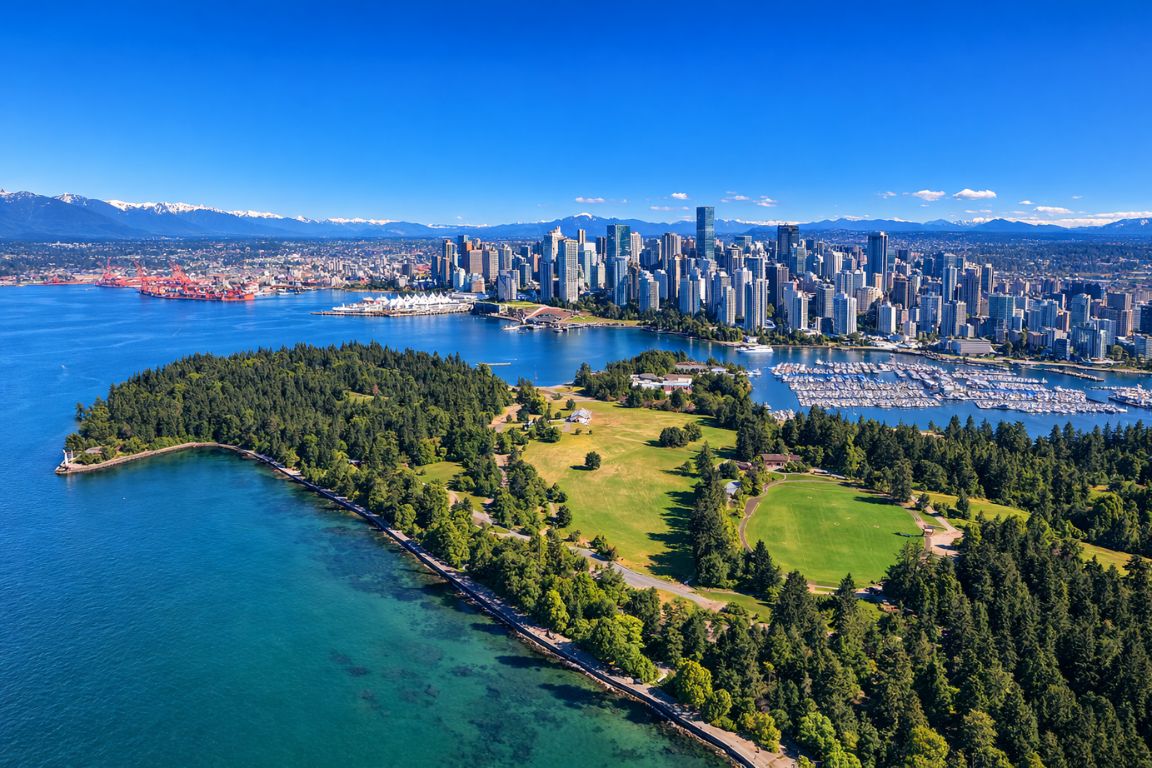 Yes, and it’s one of the few cities where the things kids love and the things adults love overlap almost completely. Stanley Park is a rainforest and a playground and a beach and a bike trail all at once. The Seawall is flat enough for strollers and long enough for older kids to feel like they’ve actually gone somewhere. Transit is free for children 12 and under. The city is safe, the food is genuinely good, and it almost never gets dangerously hot or cold.
The thing families notice quickly is that Vancouver doesn’t require you to choose between keeping kids happy and keeping adults sane. You’re not shuttling between a children’s museum and something you’d actually enjoy. Science World is genuinely interesting if you’re 40. The Capilano Suspension Bridge moves under your feet and drops you into old-growth Douglas fir and makes every age group go a little quiet. Granville Island has a kids market, yes, but also some of the best food in the city. These things sit right next to each other.
The free transit piece is worth pausing on. British Columbia made transit free for all children 12 and under as a provincial policy starting September 2021. That’s a family of two adults and two kids paying for two adults to get anywhere in the city. Over a four-day trip with multiple daily rides, that’s real money back in your pocket. Combined with a strong Canadian dollar exchange rate for US visitors, Vancouver families consistently find the actual cost of a trip lower than they expected from the price tags.
The one honest note: Vancouver is not a theme-park city. There’s no single mega-attraction that dominates the itinerary. The city rewards families who are comfortable mixing outdoor time, good food, a few paid attractions, and a lot of just wandering. If that’s your style, you’ll leave wanting to come back.
Not sure about bringing family or traveling solo? Our breakdown of is Vancouver safe for tourists helps you understand the actual safety situation in different parts of the city.
What Are the Best Things to Do in Vancouver with Kids?
 Stanley Park, Science World, Capilano Suspension Bridge, and Granville Island cover most of what families remember from a Vancouver trip. Grouse Mountain adds mountain scenery and the grizzly bear enclosure. The Richmond Night Market (April through October) is a genuinely memorable food and entertainment evening for kids who’ve never experienced it. Lynn Canyon is worth knowing about as a free alternative to Capilano if budget is a consideration.
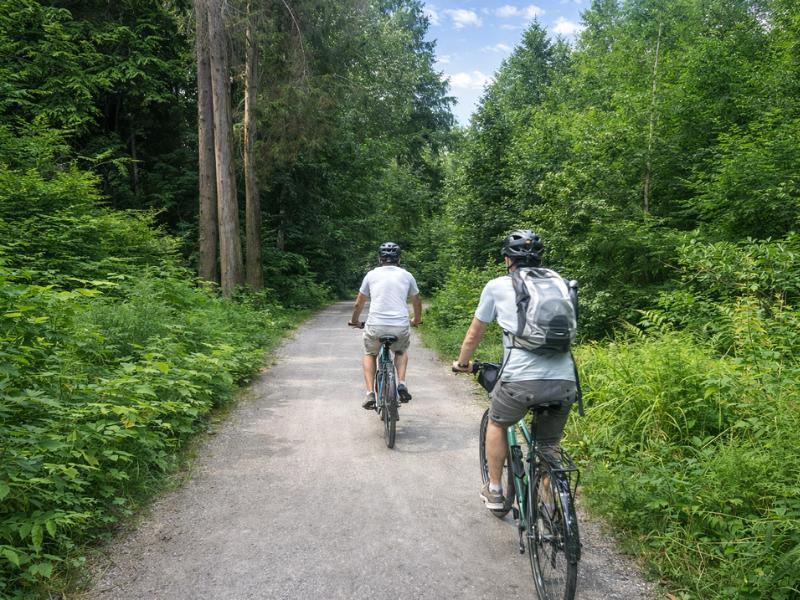
Stanley Park earns its own day. Not because it’s large, though at 405 hectares it is, but because the variety is real. The Seawall loop is 10 kilometres of flat, one-way paved path that families with bikes or rollerblades or kids in cargo bikes all share. The Stanley Park Miniature Train runs through the forest for younger children. There are splash pads in summer, beaches, a pitch-and-putt, and a small petting zoo. The Prospect Point lookout gives you the Lions Gate Bridge and the water below with no effort at all. Give it five to six hours.
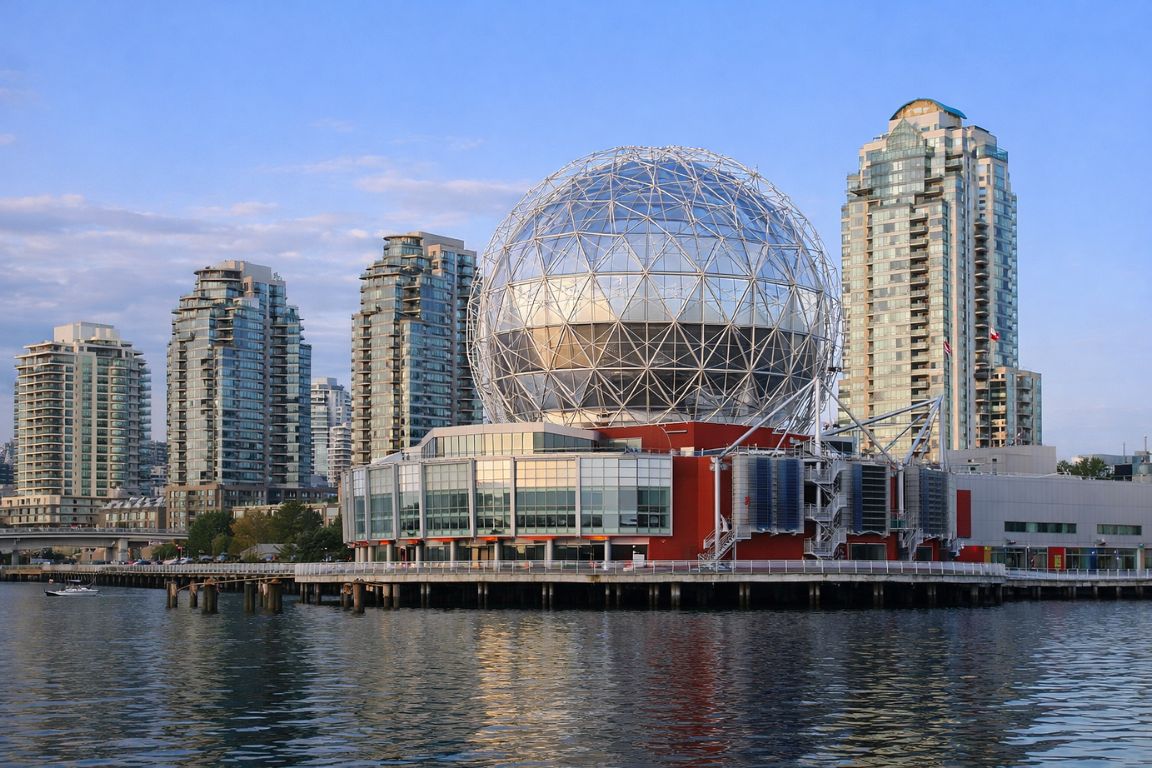
Science World at TELUS World of Science sits at the east end of False Creek in its unmistakable geodesic dome. The interactive exhibits are legitimately hands-on. The OMNIMAX Theatre, one of the largest in the world, is included with admission and tends to run nature and space films that hold kids’ attention at almost any age. Budget two to three hours. Children under 3 are generally free; check the current schedule at scienceworld.ca for any changes.
Capilano Suspension Bridge is the one paid attraction parents reliably say was worth it. The bridge itself swings, which means your body doesn’t fully trust it, and the canyon below is genuine and deep. The Treetops Adventure is seven bridges connected by tree-top platforms 30 metres above the forest floor. There’s also a Cliffwalk on the canyon edge. Kids under 6 get in free. A free shuttle runs from Canada Place and most downtown hotels. Book tickets online in advance, especially in summer – the free shuttle means everyone shows up at the same time.
Granville Island is an afternoon, not a rushed hour. The False Creek ferry gets you there from downtown in five minutes and costs a few dollars. The Kids Market on the island is two floors of toy shops, a soft play area, and an arcade. The public market has enough free samples and interesting foods to keep kids moving through. There’s usually a street performer near the market entrance. The outdoor water park on the island runs in summer and is completely free to use.
For a different kind of day, the Richmond Night Market runs Friday through Sunday from April to October in the suburb of Richmond, about 25 minutes by Canada Line from downtown. Over 100 food stalls serve Asian street food from across the continent. The lineup moves fast. It’s lively, loud, and the kind of sensory experience that creates travel memories in a way museums don’t always manage. Get there before 8pm to beat the dinner rush.
Lynn Canyon Park in North Vancouver is the budget answer to Capilano. The suspension bridge is smaller and less developed, but it crosses a real canyon with real forest on both sides and costs nothing to walk across. The Ecology Centre on site has free exhibits about local ecology. It’s 100% worth knowing about if Capilano’s admission cost stretches the family budget too far, or if you want to do both and compare.
Need a solid recommendation? Here are the best Vancouver city tours that consistently deliver – from walking tours to food tours to neighborhood explorations.
Want someone to build the itinerary around your kids’ ages and pace? The Granville Island and Stanley Park sightseeing tour is a single three-hour outing that covers two places that work across a wide age range. Dates for the guided Vancouver bike tour are listed if you want the Stanley Park seawall ride as a led outing.What Are the Best Family-Friendly Neighbourhoods to Stay In?
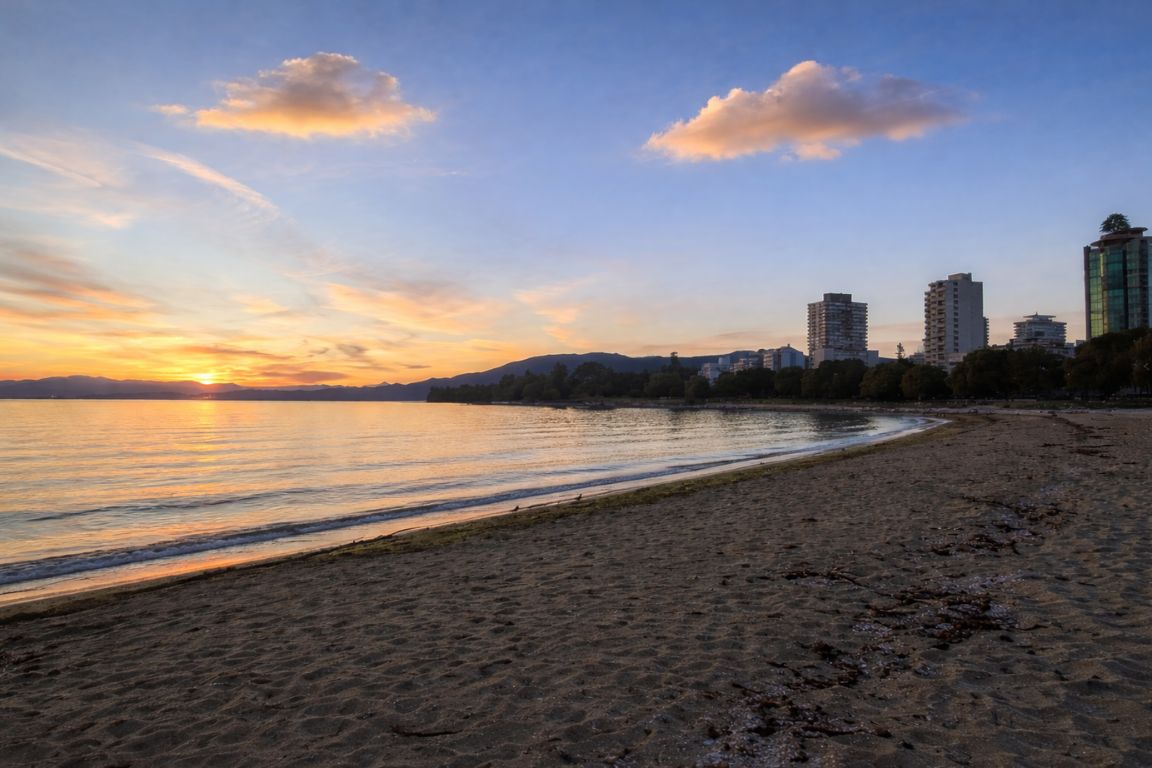 The West End is the strongest base for most families visiting Vancouver: flat terrain, walking distance to Stanley Park and English Bay Beach, easy SkyTrain access, and a residential neighbourhood feel with grocery stores and pharmacies on Denman Street. Kitsilano is the better choice if beach time and a slightly slower pace matter more than downtown proximity. Yaletown sits between both geographically and works well for families who want seawall access and easy access to Science World.
The West End suits families with younger kids especially well. English Bay Beach is at the bottom of the neighbourhood. Stanley Park is at the top. The streets between are flat, tree-lined, and quiet enough that kids can move around without constant traffic anxiety. Denman Street has grocery stores, ice cream, pharmacies, and a rotation of food options that solves the “we need something now” problem that every family trip encounters. Hotels in the West End range from mid-range options near Robson Street to properties directly on the bay.
Kitsilano is worth the consideration if your family is beach-focused. Kits Beach has a children’s spray park and the largest outdoor saltwater pool in Canada, open in summer, with views of the downtown skyline and North Shore mountains that look almost planned. The neighbourhood is slightly further from the major North Shore attractions (Capilano, Grouse Mountain) but has its own logic: the Vancouver Aquarium is nearby, Vanier Park is a five-minute walk for kite-flying and open space, and the H.R. MacMillan Space Centre is there too. West 4th Avenue has good restaurants without the downtown prices.
Yaletown is the third option. It’s sleek, the restaurants are strong, and David Lam Park has playgrounds and seawall access. False Creek Ferries leave from near here to both Granville Island and Science World. If you’re arriving on the Canada Line from the airport, Yaletown is a straight shot. The one downside for families with young children: it’s more urban in feel, with fewer quiet streets and more foot traffic in the evenings.
How Do You Get Around Vancouver with Kids?
 Easier than most cities, because children 12 and under ride every TransLink service free. SkyTrain fare gates have wide accessible gates where children pass through before the fare-paying adult. Buses don’t require any card or pass for kids – just walk on. The Canada Line from the airport to downtown takes 25 minutes and costs two adult fares for a family of four, including kids. A $11.95 adult DayPass gives unlimited travel all day and zones.
The practical mechanics: at SkyTrain fare gates, your child goes through just before you tap your adult Compass Card. There’s no separate child fare to pay, nothing to show, no card needed. On buses, children under 13 simply board. You don’t need to tell the driver anything or show ID. This policy has been in place since September 2021 and applies across all TransLink services: SkyTrain, SeaBus, bus, and West Coast Express.
The SeaBus to North Vancouver for Capilano and Grouse Mountain departs from Waterfront Station. It takes 12 minutes to cross Burrard Inlet and it’s one of the better free rides in the city for kids who like boats, moving water, and watching the skyline change as you pull away from the dock. From Lonsdale Quay on the North Shore, a bus connects to both Capilano and Grouse Mountain (note: there’s still no direct transit between Capilano and Grouse, so a rideshare or taxi is needed for that specific leg, roughly $15 to $25 CAD).
The False Creek Ferries and Aquabus are small private boats that connect the West End, Yaletown, Granville Island, and Science World. They don’t fall under TransLink, so children’s fares are not free, but they’re inexpensive (typically under $6 CAD per person) and genuinely fun for kids. If your child has never ridden a small passenger boat across a city waterway, this is the place to do it for the first time.
Driving in Vancouver with kids is possible but rarely the right call downtown. Parking is expensive, the SkyTrain reaches most attractions, and a car adds a logistical layer that a good transit day removes. The one exception: if you’re going to Maplewood Farm in North Vancouver (a petting zoo worth knowing about for families with toddlers), or heading to Steveston Village in Richmond, a car saves you time. Otherwise, leave it at the hotel or don’t rent one at all.
Wondering if you need to rent a vehicle? Check out our guide on Vancouver Canada tours without a car – the city is actually easier to navigate without one.
Recommended tours by season
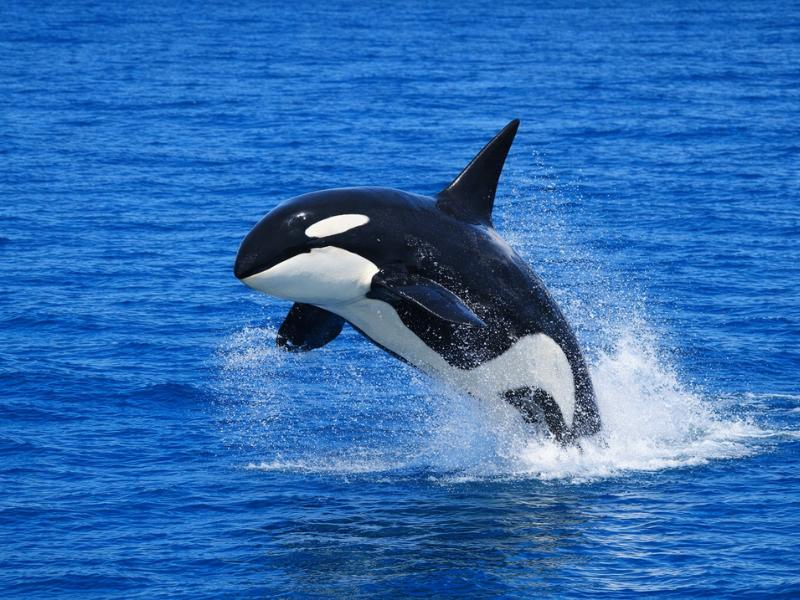
Vancouver Whale Watching Adventure – Half-Day Tour & Free Photo Package
April through October. A five-hour half-day tour on the water, with a photo package included.
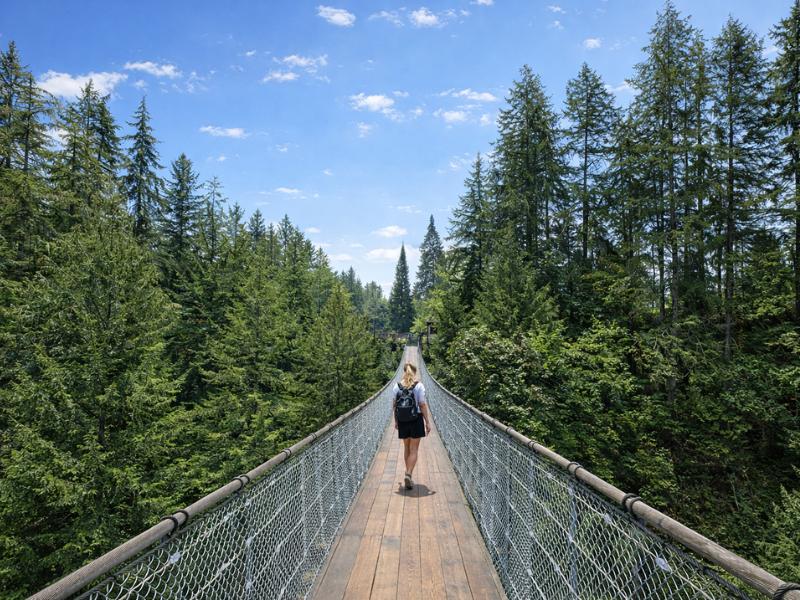
Capilano Suspension Bridge Park Admission Ticket
The suspension bridge, Treetops walk, and Cliffwalk. Children under 6 enter free; summer visits are the ones to reserve ahead.
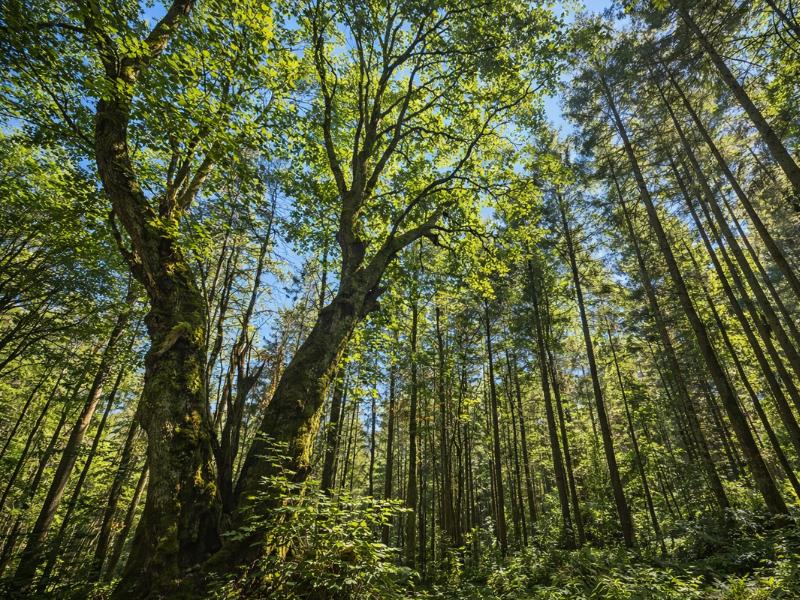
Discover Vancouver’s Ancient Trees – Guided Nature Walk
A three-hour guided nature walk. A quieter outdoor option once the beaches and water parks are out of season.
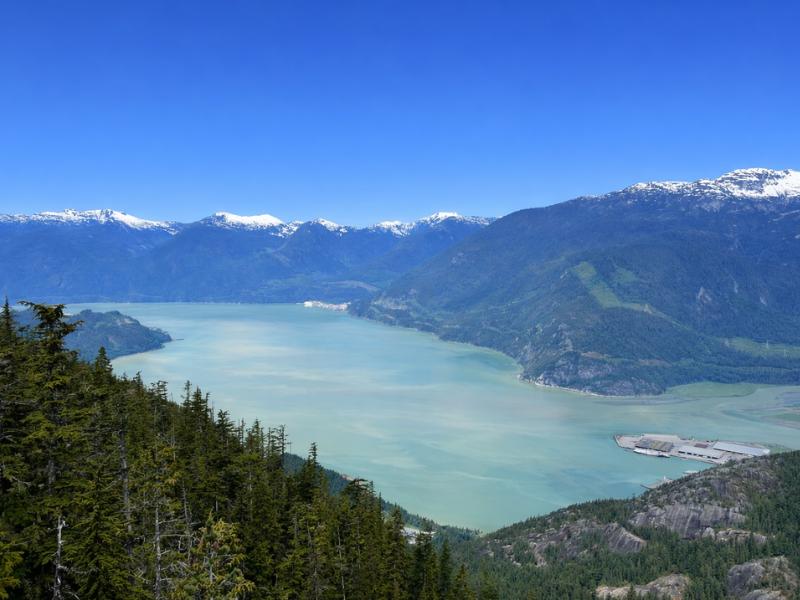
Vancouver to Whistler: Sea to Sky Gondola Tour with Shannon Falls Stop
Ten hours from Vancouver, with the gondola, Shannon Falls, and time in Whistler. Better suited to older kids and teens.
What Should Families Know About Costs in Vancouver?
 Vancouver is expensive for accommodation and paid attractions, but cheaper than it looks once you factor in free transit for kids 12 and under, a strong exchange rate for US visitors (roughly $1 USD buys about $1.40-1.45 CAD as of early 2026), and the number of genuinely good free activities the city offers. A family of four can do an excellent day in Vancouver for under $200 CAD total if they pick activities wisely.
| Stanley Park day | $50-120 CAD | Park free; bikes ~$50-80/hr for family set; Stanley Park Train ~$20 total; lunch ~$30-50 |
| Science World day | $120-170 CAD | 2 adult tickets ~$72; 2 child tickets ~$54; transit $23.90 (2 adult DayPasses, kids free); lunch ~$35-50 |
| Capilano day | $230-280 CAD | 2 adults ~$160; 2 youth/children ~$50-70 depending on age; transit free (shuttle); food ~$50 |
| Granville Island afternoon | $40-80 CAD | Ferry ~$15 round-trip for adults (kids cheaper); market lunch ~$25-50; water park free in summer |
| Lynn Canyon + Seawall walk | $30-60 CAD | Bridge free; bus from Lonsdale Quay; packed lunch; 2 adult DayPasses ~$24 |
Hotel costs are the big variable. Downtown hotels average $250 to $400+ CAD per night in summer. Families who book a suite with a kitchenette save considerably on food costs, since even one breakfast and lunch prepared in the room can offset $60 to $100 a day. Yaletown has some extended-stay hotels with kitchenettes at reasonable rates. The West End has apartment-style rentals that work well for families of four who need actual space.
The Go City Vancouver Pass bundles major attractions and can save money if you plan to hit at least three paid venues. It includes Capilano, Grouse Mountain, Science World, the Vancouver Aquarium, and FlyOver Canada, among others. Run the math against your actual itinerary before buying – if you’re spending one full day at Stanley Park (free) and one day at Lynn Canyon (free), the pass math changes significantly. But if Capilano, Science World, and the Aquarium are all on the list, the pass almost certainly saves money compared to individual tickets.
Not sure what to budget? Check out our Vancouver travel budget guide – the city is pricey but knowing where the costs hide helps you plan realistically.
| Capilano Suspension Bridge | 75-90% | “Kids still talk about the bridge moving under their feet” |
| Stanley Park bike loop | 85-95% | “Best thing we did – nobody complained once” |
| Granville Island Kids Market | 80-95% | “My 6-year-old picked his own souvenir and loved it” |
| Richmond Night Market | 60-80% | “Didn’t expect the kids to love the food as much as they did” |
| SeaBus ride to North Shore | 70-85% | “For the littles, the ferry itself was the highlight” |
What Age Groups Does Vancouver Work Best For?
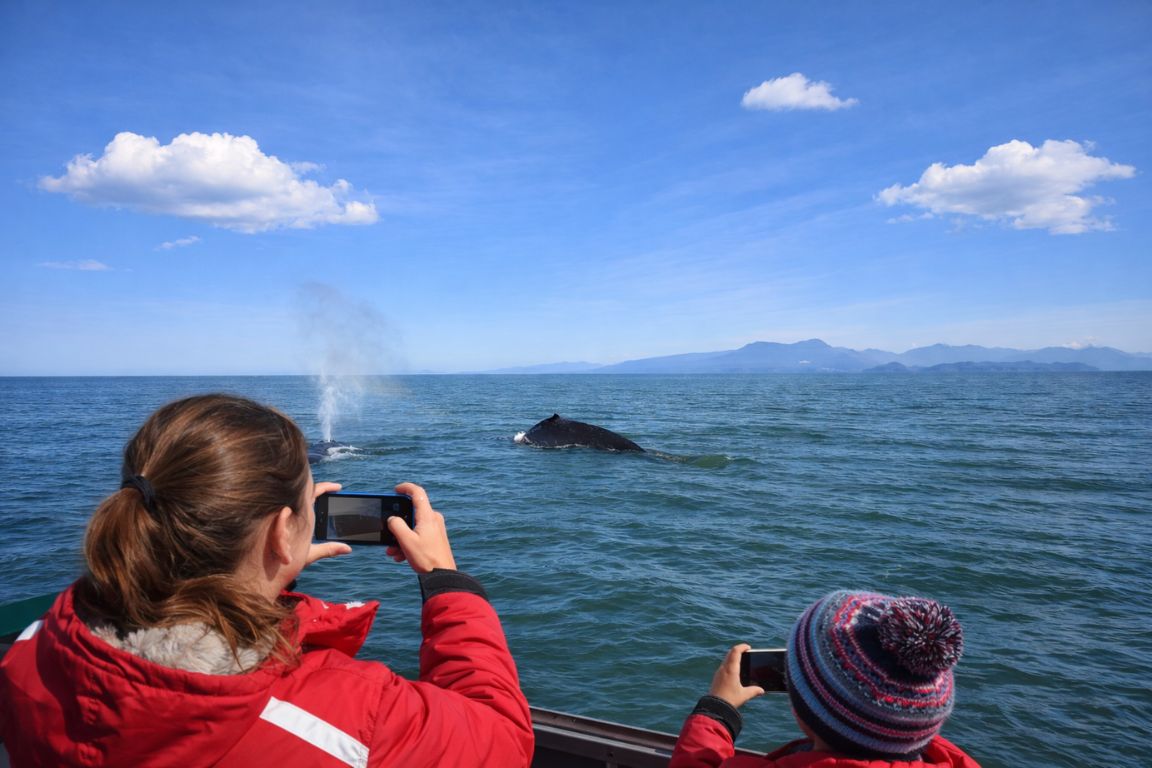 Vancouver works well across the full age range, but each window has different strengths. Toddlers thrive on the beaches, spray parks, Maplewood Farm petting zoo, and the Stanley Park Miniature Train. Elementary-age kids hit the sweet spot: old enough for Capilano and Science World, young enough to be genuinely amazed by both. Teens respond best to the North Shore activities, whale watching, and the independence Vancouver’s walkable neighbourhoods allow.
Toddlers and under-5s: English Bay Beach and the Kitsilano spray park are free and consistently deliver. Maplewood Farm in North Vancouver is a petting zoo with goats, chickens, horses, and cows – admission is under $10 CAD per person. The Stanley Park Miniature Train is a proper locomotive running through old-growth forest. The False Creek Ferry ride is short, gentle, and tends to create disproportionate delight. Skip Capilano’s Treetops Adventure at this age: the walk is long and the heights don’t register meaningfully for very young children.
Ages 5-12: This is the prime Vancouver age group. Capilano is perfect. Science World is perfect. The Stanley Park Seawall on bikes works because it’s flat, one-way, and scenic the entire time. Granville Island‘s Kids Market, the outdoor water park, and the False Creek ferry there and back makes a full half-day. Whale watching tours (April through October) run on catamarans large enough to feel stable, and a 95%+ sighting rate means the payoff is almost guaranteed. Budget 3.5 to 4 hours for a whale watching tour.
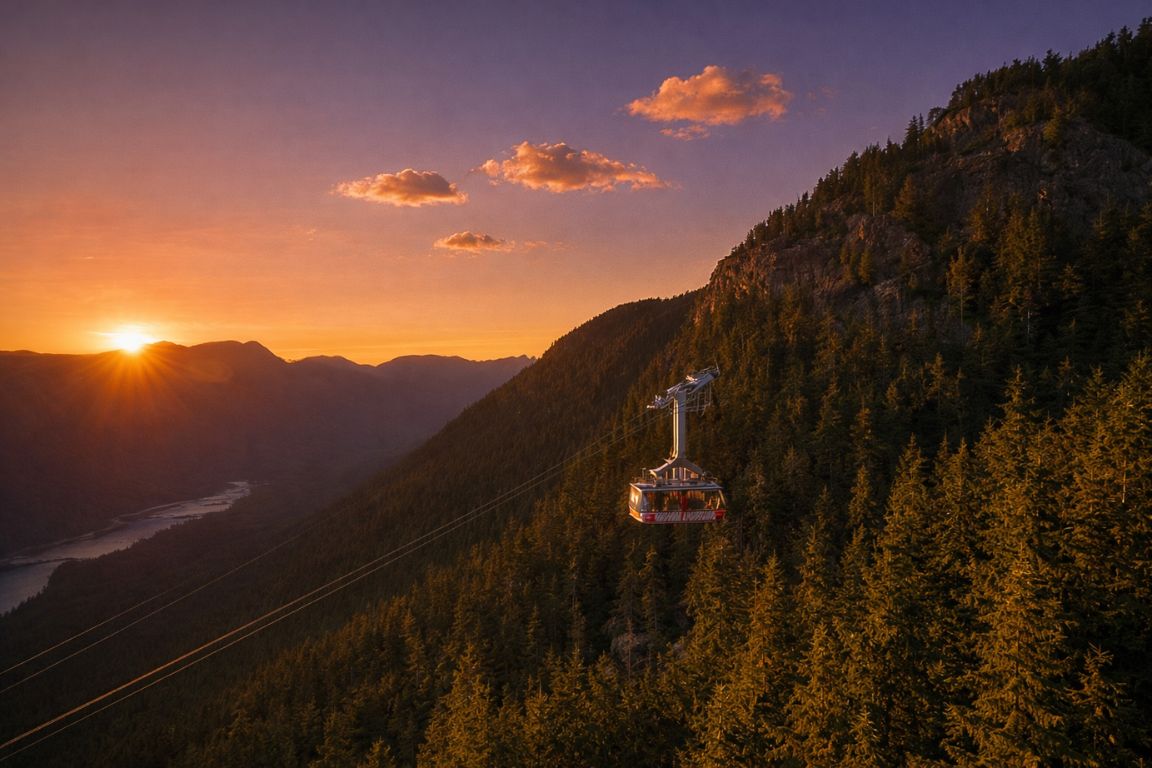
Teens: The North Shore is where Vancouver gets its teeth. Grouse Mountain’s Via Ferrata climbing route (for older teens), the Grind (a steep 2.9-kilometre hiking trail up the mountain, free to hike but gondola ticket required to descend), and Cypress Mountain’s trail systems give teens something that feels like actual effort rather than managed tourism. The Sea to Sky Gondola in Squamish is a worthwhile day trip for teens who want height, views, and the ability to say they walked across a glass-bottomed bridge. FlyOver Canada at Canada Place is also a reliable teen hit – the motion-simulator flight experience tends to land well with the age group that’s seen everything.
We’ve compared Vancouver whale watching tours in detail because not all operators go to the same spots and your chances of seeing whales vary dramatically by season and route.
Travelling with kids of mixed ages and trying to find activities that work for all of them? That’s one of the most common requests we get. A Capilano and Grouse Mountain small-group day keeps mixed ages on the same itinerary for about six hours.What Do Parents Most Often Wish They’d Known Before Visiting Vancouver with Kids?
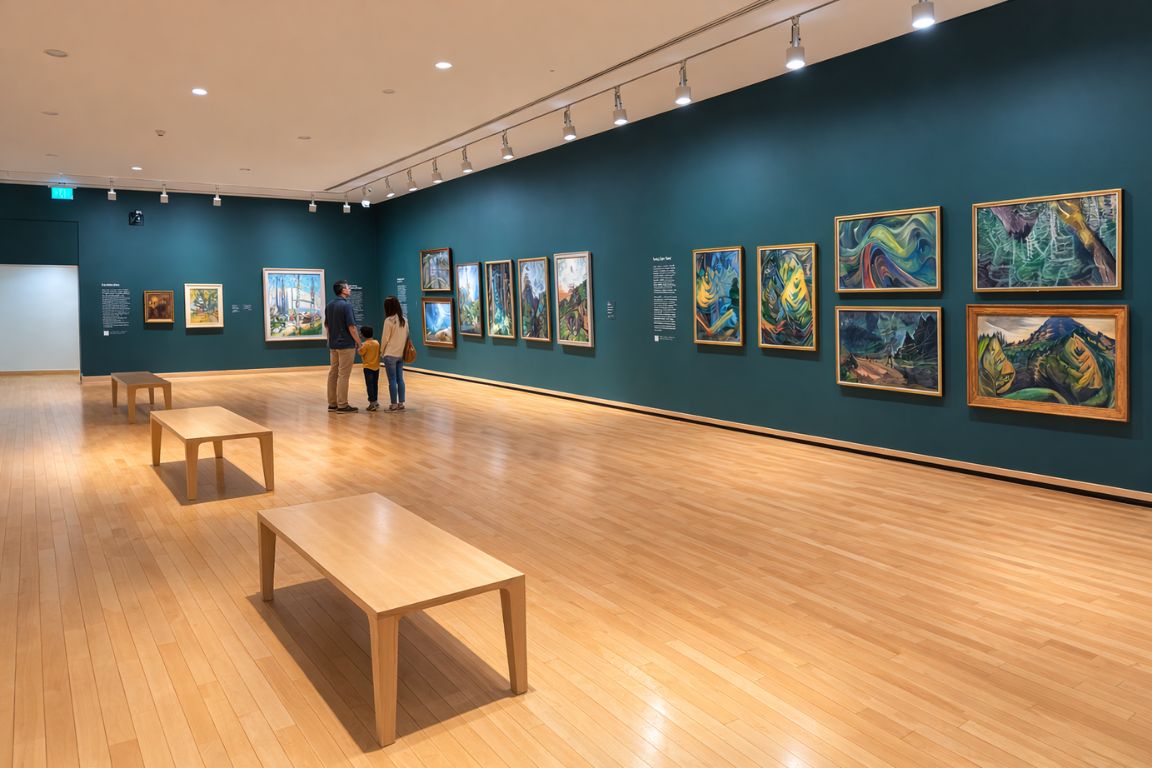 The five things that catch families off guard: not knowing kids under 13 ride transit free (and losing money buying child tickets that aren’t needed), arriving at Capilano without pre-booking and hitting full queues, underestimating how long Stanley Park takes and rushing it, skipping Granville Island because it “sounds like a market,” and forgetting that rain gear for kids isn’t optional from October through May.
Transit is free for kids under 13, full stop. We hear from families who bought child Compass Cards or paid cash fares for their under-12s the whole trip. You don’t need to pay anything, show a card, or carry ID for children under 13 on any TransLink service. At SkyTrain gates, they squeeze through just before the adult taps in. On buses, they walk on. This policy is province-wide. Knowing it before you arrive saves real money over a multi-day trip.
Book Capilano in advance. The free downtown shuttle means a wave of visitors arrive simultaneously throughout the day. Summer weekends especially, you can find the bridge itself backed up with a queue. Booking online saves $3 per ticket compared to gate prices and, more importantly, your ticket confirms your slot so you’re not arriving into an overwhelming crowd. Kids under 6 don’t need any ticket at all.
Stanley Park needs a full day. Families who allocate two hours and rush through come away feeling they missed something, because they did. The bike loop alone is 10 kilometres and takes 90 minutes to two hours with stops. The Hollow Tree, Prospect Point, Third Beach, and the totem poles in Brockton Point are each separately worth pausing for. Build the whole day around the park and let the afternoon go where it goes. You won’t run out of things to show the kids.
Don’t skip Granville Island because it sounds like a grocery market. Families who’ve been told it’s just a farmers market arrive skeptical and leave with the most distinctive photos of the trip. The ferry ride, the Kids Market two floors of toy shops and arcade, the outdoor water park running free in summer, the street performers at the market entrance, and the artisan food stalls all add up to something that’s genuinely impossible to recreate anywhere else in the city. Budget a full half-day.
Pack rain gear for everyone. October through May, Vancouver gets wet consistently. Not always heavily, but enough that a soaked child in the middle of a day in Stanley Park becomes the day’s defining event. A lightweight waterproof jacket per person solves this completely. Kids under 10 especially will not enjoy Vancouver in November without one. The good news: rain in Vancouver rarely means cold, and it rarely means all-day. A jacket and an hour of patience usually see you through.
One quieter tip from the parents in our groups: the free spray park at Granville Island opens in early summer and is genuinely unplanned fun on a warm afternoon. If you’re there and the sun is out and the kids need to run, that park exists. No ticket, no line, just water and asphalt and happy chaos.
Frequently Asked Questions
Do children ride the SkyTrain for free in Vancouver?
Yes. Children 12 and under ride all TransLink services free of charge – SkyTrain, SeaBus, bus, and West Coast Express. No card, no ticket, and no ID is required. At SkyTrain fare gates, children pass through just before the paying adult taps their card. This policy has been in place since September 2021 and applies across all of British Columbia’s public transit systems.
What is the minimum age for Capilano Suspension Bridge?
There’s no minimum age, but children and youth under 15 must be accompanied by someone 18 or older. Children under 6 are free. Ages 6 to 12 pay the child rate (~$25 CAD). The Treetops Adventure and Cliffwalk involve walking, height, and movement, so the experience is best for kids who are comfortable with those elements. Most families find ages 6 and up get the most from the visit.
Is there a free alternative to Capilano Suspension Bridge?
Yes. Lynn Canyon Suspension Bridge in North Vancouver is completely free. The bridge is smaller and the park is less developed, but it crosses a genuine canyon with old-growth forest on both sides. The Lynn Canyon Ecology Centre has free exhibits. It’s about 25 minutes from downtown by SeaBus and bus and is a solid option if Capilano’s admission cost stretches the family budget.
What is the best age range for visiting Vancouver with kids?
Ages 5 to 12 are the sweet spot. Old enough for Capilano, Science World, whale watching, and Stanley Park cycling; curious enough to respond genuinely to the forest, the water, and the animals. Toddlers do well on beaches and at Maplewood Farm petting zoo. Teenagers engage most with the North Shore outdoor activities, Grouse Mountain’s Grind trail, and the Sea to Sky Gondola in Squamish.
Where should families with kids stay in Vancouver?
The West End is the strongest base: flat terrain, walking distance to Stanley Park and English Bay Beach, frequent transit, and a residential neighbourhood feel. Kitsilano is better for beach-focused families with younger children. Yaletown works well for families wanting seawall access and easy proximity to Science World via False Creek Ferry or SkyTrain.
Is the Richmond Night Market good for kids?
Very much so. The Night Market runs Friday through Sunday from April to October in Richmond, accessible by Canada Line from downtown in about 25 minutes. Over 100 Asian street food stalls, live entertainment, and a carnival atmosphere. Kids respond well to the food variety, the energy, and the novelty of eating outdoors in a market setting. Go before 8pm to avoid the heaviest crowds and wait times.
Vancouver is one of those cities that stays with kids long after the trip ends. The bridge that moved, the bears on the mountain, the ferry across False Creek – those things stick. If you want to build an itinerary that gets the most out of your family’s time here, let us put it together for you. The half-day whale watching tour is the other outing families with kids 5–12 usually weigh alongside the park and the bridge. Written by Ethan James CarterCanadian tour guide since 2010 · Founder, Vancouver Canada Tours
Ethan has guided over 11,400 travelers through Vancouver, the North Shore mountains, and British Columbia’s coast since founding the agency.
Choose the experience that fits your trip
Our starting recommendation; confirm your party’s needs and travel date.
Compare alternatives and adjust the recommendation
| Experience | Why pay for it | Time and practical limits |
|---|---|---|
| Capilano Suspension Bridge Park Ticket | Suspension Bridge, Treetops Adventure and Cliffwalk admission. | 180 min planning window Food and paid parking extra; walking and heights involved. |
| Private Vancouver City Tour | Private driver-guide with flexible stops, including Stanley Park and Granville Island. | 240 min planning window Four hours; listing confirms accessible vehicles and surfaces. Confirm your device and boarding arrangements. |
| Vancouver City Highlights Tour | Guided city tour including Stanley Park and Granville Island. | 210 min planning window 3.5 hours; meals and attraction purchases extra. |
| Covered Whale Watching From Vancouver | Five-hour whale watch with naturalists, indoor cabin, outdoor decks and wildlife photos. | 330 min planning window Wildlife is not guaranteed on a particular departure. Return-tour guarantee has fees; meals extra. |
Compare your own quotes in CAD
Use totals for the same people, date and inclusions. Add transport, tickets and taxes to the independent plan.
Check your date before arranging the rest of your day
Capilano Suspension Bridge Park Ticket
Suspension Bridge, Treetops Adventure and Cliffwalk admission.
North Vancouver park; complimentary downtown shuttle, first come first served. Food and paid parking extra; walking and heights involved.
Choose a date to see scheduled departures. Availability and final price are confirmed on Viator.
Your date is a planning check; select it again on Viator to confirm your booking.