Vancouver for Seniors
Vancouver is very senior-friendly: flat seawall walks, accessible SkyTrain, mild climate, and senior discounts across transit and attractions.
For a paid experience alongside this plan, Private Vancouver City Tour adds choose your own city pace.
Last updated: March 11, 2026
| Senior transit fare age | 65+ (Concession Compass Card, valid photo ID required) |
| Concession DayPass | $8.85 CAD (adults pay $11.95 CAD) – Verified March 2026 |
| Best neighbourhood for seniors | West End (flat, walkable, borders Stanley Park and English Bay) |
| Flattest walking route | Seawall, Coal Harbour to Granville Island (10 km, zero incline) |
| Accessible door-to-door transit | HandyDART (604-575-6600) – advance booking required |
| Best season for seniors | September (mild, dry, smaller crowds, hotel prices drop) |
| Average high temperature | 22°C July/August, 17°C September, 10°C November |
| Wheelchair rental | KJ Limousine: $20/day or $100/week – Verified March 2026 |
Is Vancouver a Good Destination for Senior Travelers?
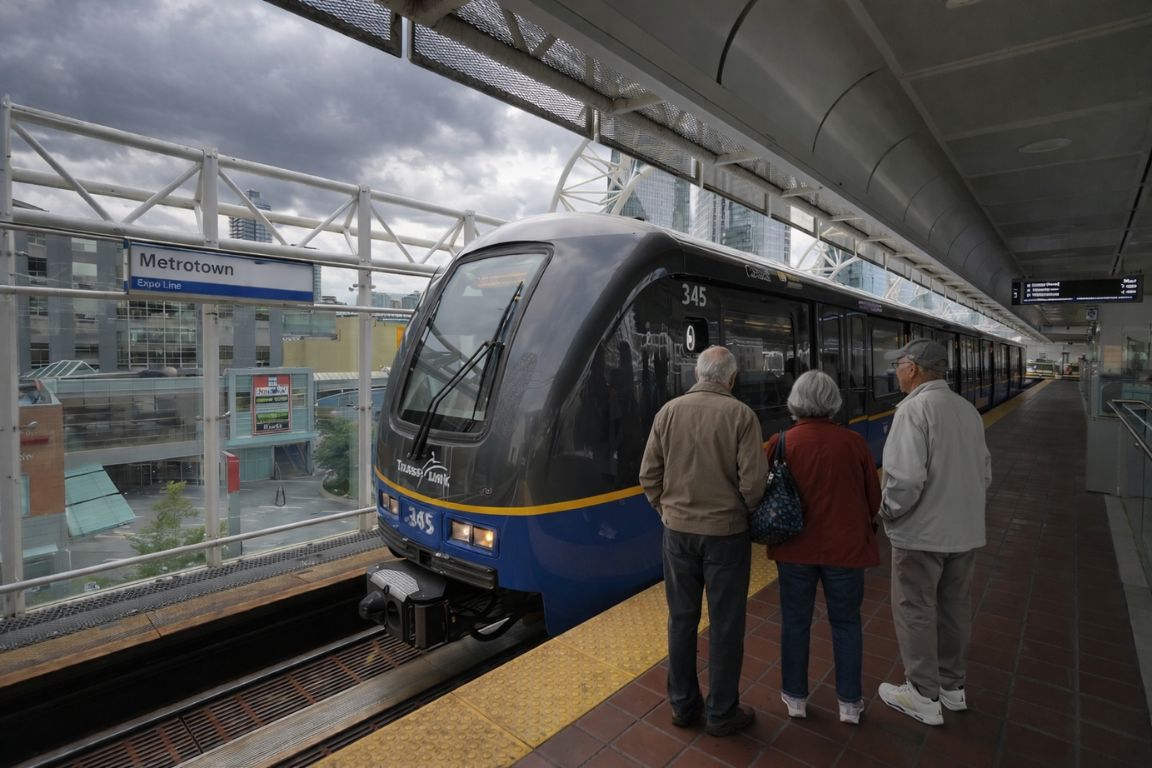 Yes, and more specifically than that general answer suggests: Vancouver is unusually good. The core of the city sits on flat waterfront land, the SkyTrain is fully accessible at every station, the Seawall requires no skill or fitness beyond comfortable walking, and the climate is the mildest in Canada. Seniors who struggled with cobblestone European cities or high-altitude South American destinations often find Vancouver surprisingly easy to move around in.
The city gets roughly 165 frost-free days a year. That matters more than it sounds if you have joint issues or find cold weather physically limiting. You can visit in October and still sit outside for dinner at English Bay. November temperatures average around 8 to 10°C. Even in January, snow in downtown Vancouver is rare enough that locals comment when it happens.
There’s a reason so many Canadians from colder provinces retire here or spend winters here. The combination of walkable waterfront, accessible transit, and genuinely decent weather is hard to find anywhere else in the country. From our 15 years running tours here, we’d say Vancouver rewards slower travel better than most cities. You don’t need to rush to cover ground. The best things, the seawall at low tide, the market on Granville Island, the view of the North Shore from the end of Coal Harbour, they all sit still and wait for you.
What Are the Best Areas in Vancouver for Senior Travelers to Stay?
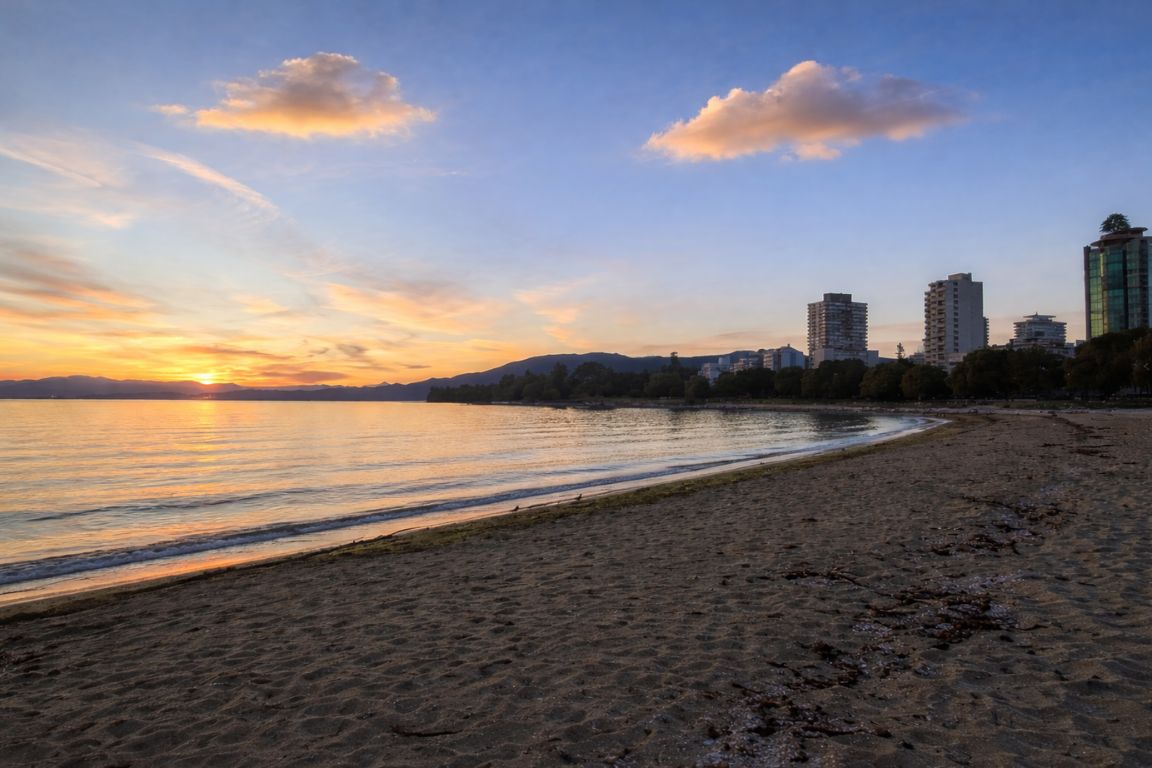 The West End and Coal Harbour are the two best bases for seniors visiting Vancouver. Both are flat, both border the Seawall, both put you within a short walk of Granville Island ferries, Stanley Park, English Bay, and downtown shops. Hotels in Coal Harbour tend to be newer with better amenity access; the West End has more affordable options and a strong neighbourhood feel.
Coal Harbour is probably the cleaner pick for travelers who want everything sorted. The Pan Pacific and Fairmont Waterfront both sit right on the water and are close to the cruise port if that’s relevant. The streets between Canada Place and Stanley Park are flat, paved, and almost entirely free of the hills that make parts of Vancouver complicated for older visitors. The Seawall runs right past most hotels here.
The West End deserves a second look. It’s denser, with more affordable mid-range hotels, and it’s genuinely residential in a way that Coal Harbour isn’t. The neighbourhood has a high percentage of older residents and facilities built around them, including the West End Seniors Network and Community Centre at 2490 Laurier Avenue. The streets are flat. Denman Street has grocery stores, pharmacies, cafes, and restaurants in a walkable stretch. English Bay beach is three minutes from most hotels.
Avoid the downtown core east of Granville Street as a base. It has more hills, more street noise, and less access to the green spaces that make the city worth visiting. Gastown is fine for an evening out, but it’s cobblestoned and uneven underfoot, not ideal if mobility is a consideration.
Wondering how to pull it all together? Our guide on how to plan a trip to Vancouver Canada tours walks you through everything from the airport to day trips without any guesswork.
Need help choosing the right hotel base and tour pacing for your trip? We’ve been designing senior-friendly Vancouver itineraries since 2010. Look at the hop-on hop-off sightseeing tour if you want to judge pacing before you commit to longer days.What Are the Best Things to Do in Vancouver for Seniors?
 The Stanley Park Seawall, Granville Island Public Market, Vancouver Aquarium, and harbour boat tours consistently rank as the highest-satisfaction activities among senior travelers we’ve worked with. All four are either fully flat or fully seated experiences. Add the Museum of Anthropology at UBC if cultural depth matters to you. Skip activities that require significant elevation gain or long standing queues unless you’re confident with both.
The Seawall is the thing most people underestimate. It runs 28 kilometres around the perimeter of Stanley Park and along the waterfront into False Creek. You don’t need to walk all of it. Even 2 or 3 kilometres from Coal Harbour toward Prospect Point gives you mountain views, float planes landing, and the kind of quiet that’s hard to find in a city this size. The surface is paved and smooth the entire way. There are benches every few hundred metres. The grade never changes.
Granville Island is worth a half day at minimum. The False Creek ferry runs from the south foot of Hornby Street and takes about 5 minutes. The public market is fully wheelchair accessible, with seating areas, an excellent food hall, local cheese and bread vendors, and a covered outdoor courtyard for when the rain comes. The ferry itself is a small boat, so anyone with significant mobility challenges should confirm with the operator before booking.
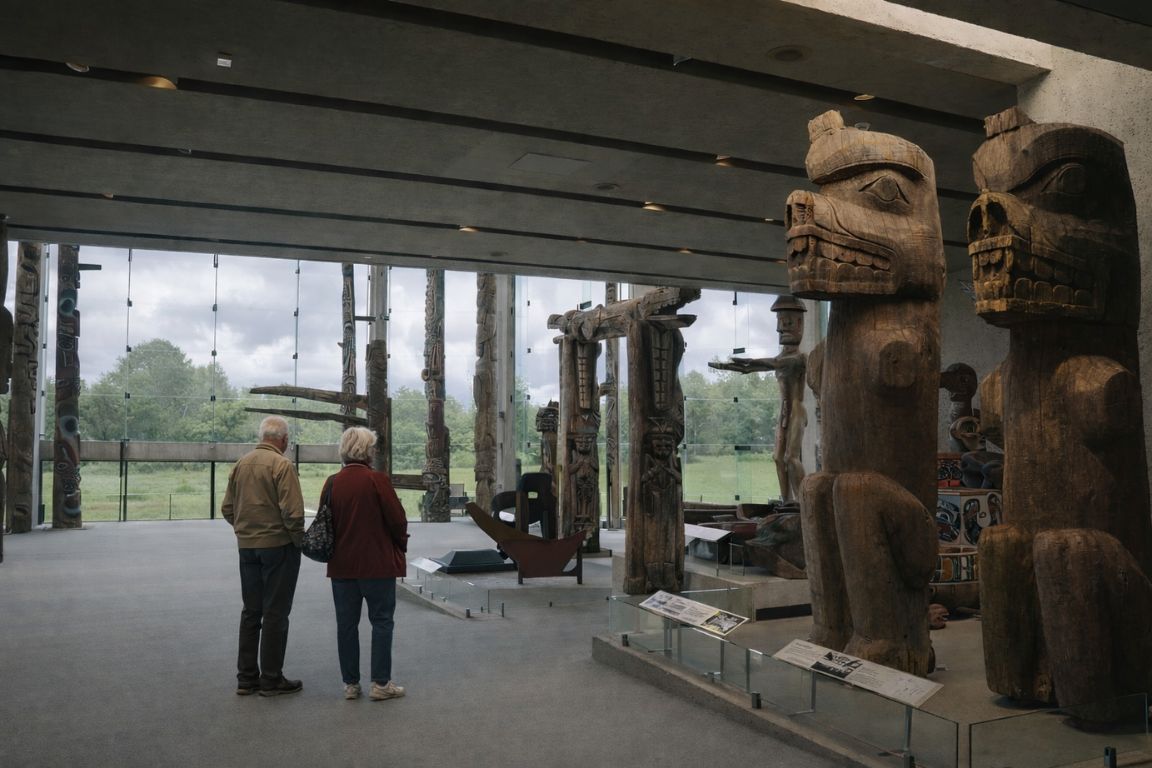
The Vancouver Aquarium moved from Stanley Park to the Hastings Park site in East Vancouver in 2023. It remains a low-exertion, high-reward visit with accessible facilities throughout. Allow 2 to 3 hours. For something quieter and genuinely extraordinary, the Museum of Anthropology at UBC has one of the most important collections of Northwest Coast First Nations art in the world, most of it displayed in a stunning Arthur Erickson building that is easy to move through.
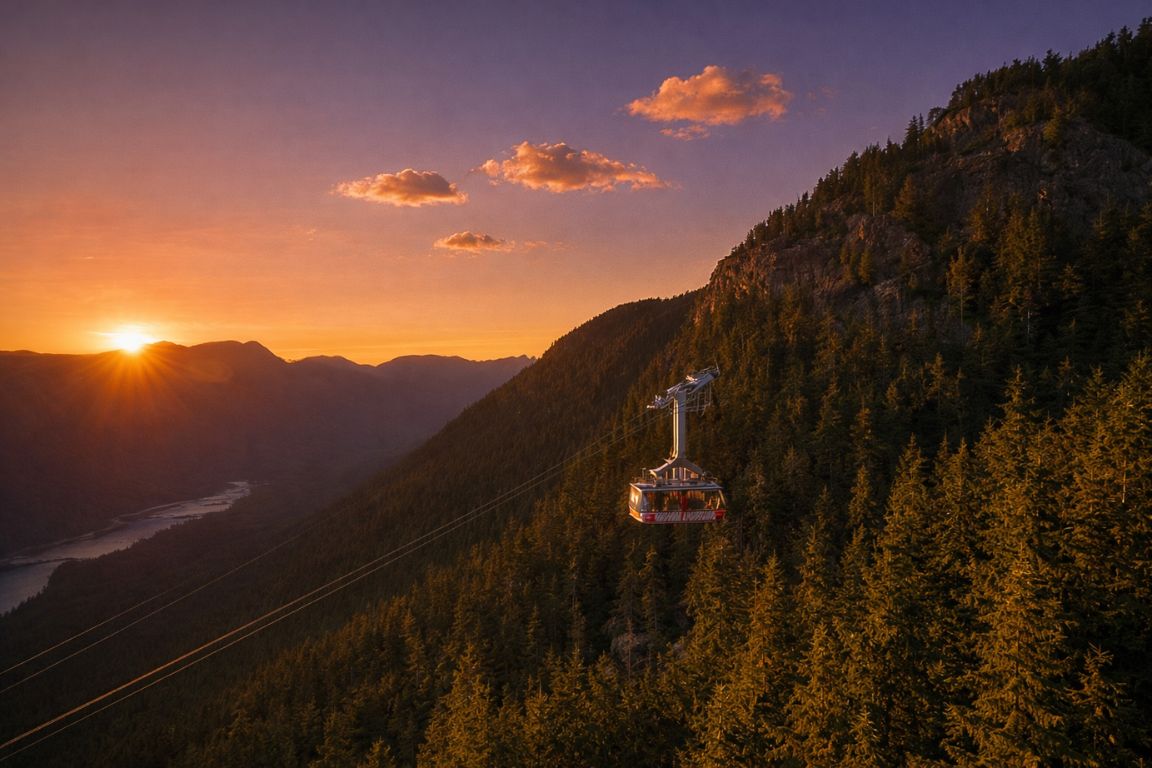
The Grouse Mountain gondola ride is worth doing if you’re mobile, but the gondola itself involves standing in a queue and the crowd up top can be dense in peak months. Capilano Suspension Bridge is excellent but involves a fair amount of walking between features once you’re in the park. Both are doable; just go on a weekday and get there early.
Trying to figure out which tour company to trust? Our guide to the best Vancouver city tours shows you exactly what sets each one apart beyond just price.
Recommended tours by season
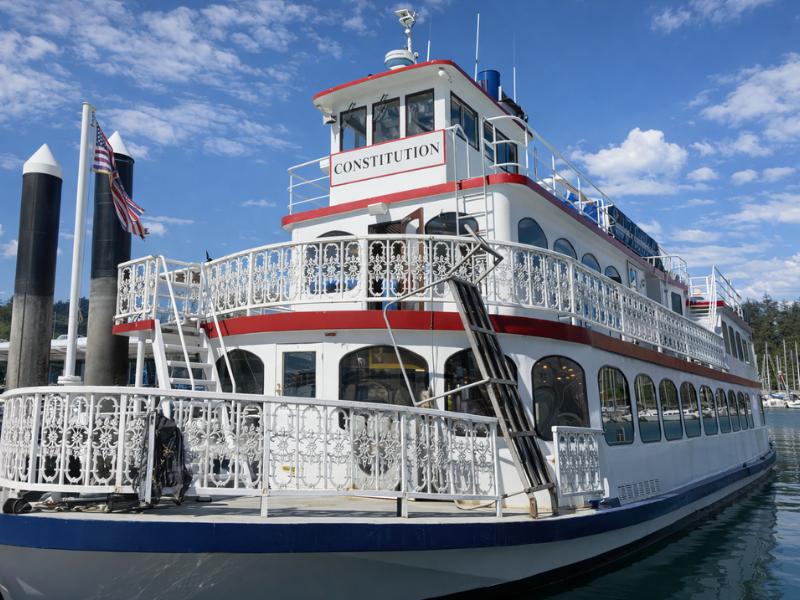
Vancouver Harbor Sightseeing Cruise – Scenic Waterfront Tour
Summer. A one-hour seated cruise on the harbour. Short enough to pair with a rest afternoon or a short seawall stretch.
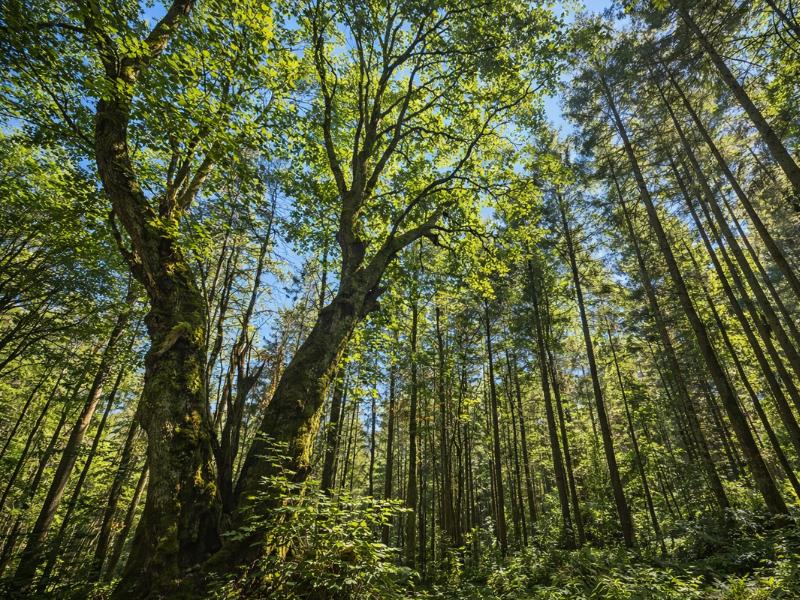
Discover Vancouver’s Ancient Trees – Guided Nature Walk
Fall. A three-hour guided walk among older forest in the Vancouver area. On foot, without a mountain climb.
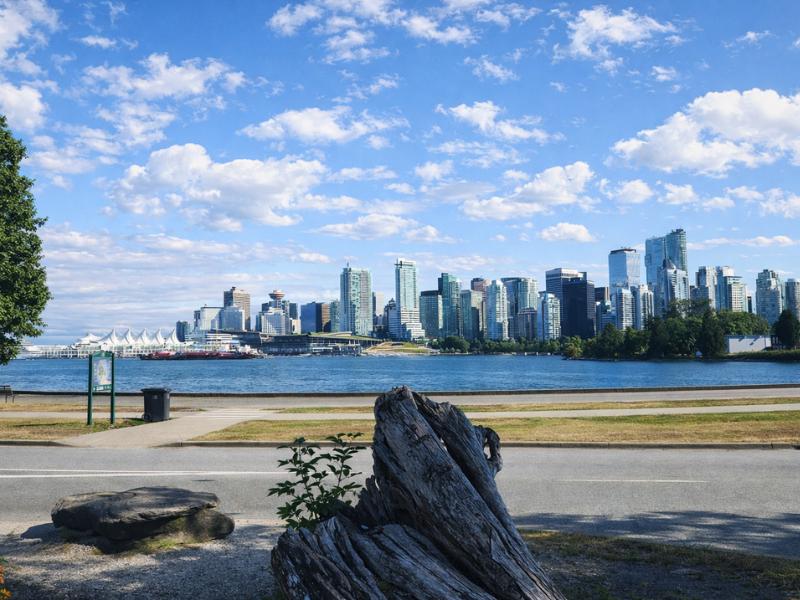
Vancouver Granville Island & Stanley Park Full-Day Sightseeing Tour
Wet months. A driver takes you to Stanley Park, Granville Island, Gastown, and Chinatown, so most walking happens only at the stops.
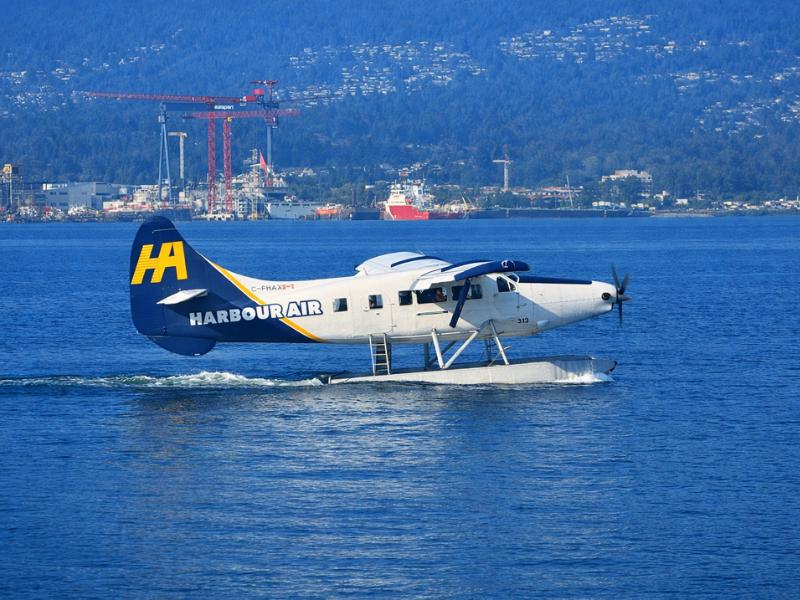
Vancouver Scenic Seaplane Flight – Panoramic Aerial Adventure
Clear days. A seated seaplane flight for aerial views of the city and harbour, with no trail or staircase required.
How Do Seniors Get Around Vancouver?
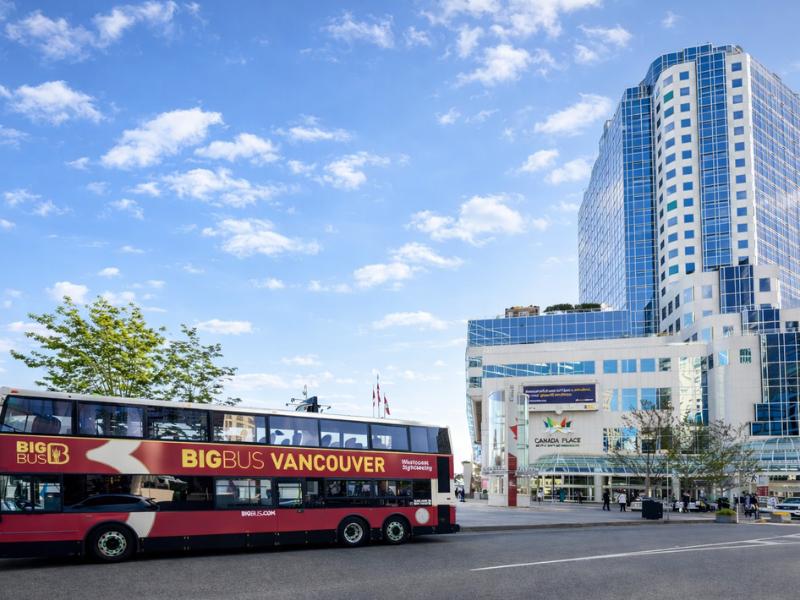
For most senior visitors, the Concession Compass Card is the best transit option. Travelers 65 and older pay reduced fares on all SkyTrain, bus, SeaBus, and HandyDART routes. A Concession DayPass costs $8.85 CAD versus $11.95 CAD for adults. Every SkyTrain station is wheelchair accessible with elevators. HandyDART provides door-to-door service for those who need it, but requires advance registration and booking.
Getting the Concession Compass Card takes a small extra step compared to the adult card. You need to apply at a Compass Customer Service Centre (located at Stadium-Chinatown SkyTrain Station) or at the West Coast Express office, with valid photo ID proving you’re 65 or older. Passport works fine. The card costs $6 one-time, then you load money onto it as needed. If you’re only in Vancouver for a few days, it may be simpler to buy individual Concession tickets at Compass Vending Machines in each station, which also require just showing your ID to the fare inspector if checked.
The SkyTrain Canada Line gets you from the airport to downtown in about 25 minutes. All stations have elevators. The SeaBus to North Vancouver for Capilano or Grouse Mountain departs from Waterfront Station every 15 to 30 minutes and is flat boarding from the terminal. Every regular bus route in Metro Vancouver has low-floor accessibility and securement for wheelchairs and scooters.
HandyDART is different. It’s a door-to-door shared van service for people who cannot use conventional transit. You need to pre-register with TransLink and provide documentation of your eligibility. Once registered, you can book rides up to seven days in advance by phone at 604-575-6600. The fare matches the one-zone Concession rate. If you’re visiting from out of province, the registration process takes some lead time, so do it before your trip if you think you’ll need it.
For wheelchair-accessible taxis, Black Top and Checker Cabs (604-731-1111), Vancouver Taxi (604-871-1111), and Kimber Cabs (604-488-8888, based in Richmond) all operate accessible vehicles. Book in advance if possible. Uber and Lyft also offer wheelchair-accessible vehicle options in Vancouver through their apps. KJ Limousine (604-377-1618) runs purpose-built accessible vehicles and is the option we’ve heard most positively reviewed from our clients who needed premium accessible transport.
Don’t have a car? I’ve broken down Vancouver Canada tours without a car so you know exactly how to get around using transit, bikes, and the occasional Uber.
What Accessibility Features Does Vancouver Have for Older Travelers?
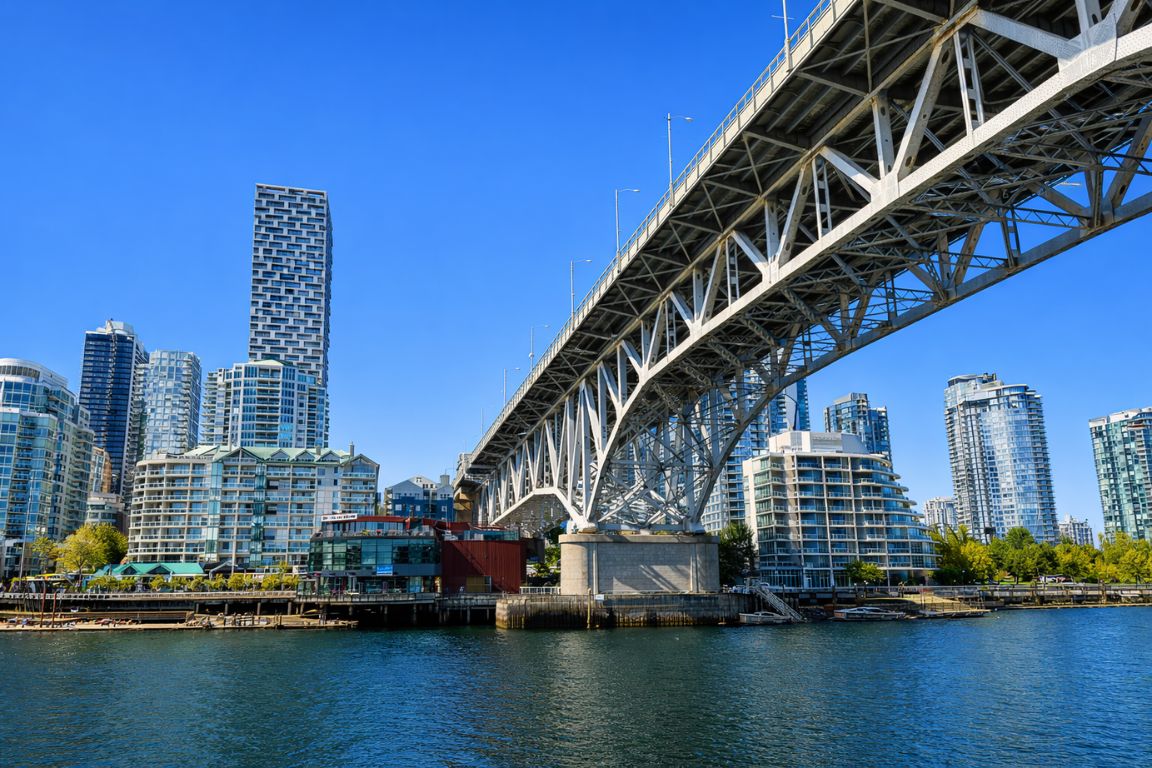 Vancouver has invested significantly in accessible street design, including wide sidewalks, timed crossing signals, street furniture for rest breaks, and curb cuts throughout the downtown core. The entire SkyTrain and SeaBus network is accessible. Most major attractions have wheelchair access, elevators, and accessible washrooms. Foreign parking permits for disabled travelers are accepted through a reciprocal program covering Canada, the US, and EU countries.
The City of Vancouver’s Accessible Street Design standards cover things that matter practically: wide enough sidewalks for a wheelchair, long enough signal cycles to cross without rushing, and regular benches along pedestrian routes. If you tire easily, the seawall and Coal Harbour promenade both have seating at short intervals.
At the airport, YVR has accessible restrooms, service animal relief areas, special curbside parking, and a dedicated assistance program. When booking your flight, request wheelchair assistance and it will be arranged from gate to taxi. The Canada Line platform at YVR is accessible via elevator, and the boarding zones are level with the train cars.
Mobility equipment rentals are available locally through Wellwise by Shoppers Drug Mart, Scooter City, and Motion if you’d rather not travel with your own. KJ Limousine rents wheelchairs at $20 per day or $100 per week for clients using their transport services. If you have a legally-issued disabled parking permit from another Canadian province, the US, or an EU country, it is valid in British Columbia. Carry your original documentation alongside the permit.
One thing worth knowing: the Aquabus and False Creek Ferries that cross to Granville Island are small private vessels not covered by TransLink’s accessibility standards. They can accommodate most mobility needs but are not designed for power wheelchairs. Call ahead (Aquabus: 604-689-5858 or False Creek Ferries: 604-684-7781) if you have specific requirements. The alternative is a taxi or rideshare across the Burrard Bridge, which takes about 10 minutes from downtown.
Planning a trip with specific accessibility needs? Vehicle-based days are easier to pace; the Granville Island and Stanley Park sightseeing tour is built around a driver and short stops. The harbour sightseeing cruise is a short, seated way to see the waterfront without arranging a separate transfer.What Should Seniors Know About Vancouver’s Weather and Physical Demands?
 Vancouver’s weather is mild but consistently damp from October through April. Rain doesn’t cancel a day in Vancouver, but it changes how you dress. A waterproof jacket and comfortable, non-slip walking shoes will cover you for most conditions. The city’s terrain is mostly flat near the waterfront, but hills become significant as you move inland or into neighbourhoods like Gastown’s eastern edges or Kitsilano’s side streets.
The single most useful thing to pack is a lightweight waterproof jacket, not an umbrella. Wind off Burrard Inlet makes umbrellas awkward, and the rain in Vancouver tends to come sideways. A jacket with a hood solves this completely. October and November are the wettest months on average. July and August are the driest, but late summer can bring wildfire smoke from interior BC, which affects air quality. If you have respiratory sensitivities, September is the better summer-adjacent option.
The seawall and Coal Harbour promenade are as flat as roads get. The area between the waterfront and Robson Street is also mostly flat. Gastown is where the terrain starts to shift: the streets slope and the cobblestones in the historic core are genuinely uneven. Not impossible, but worth knowing if you’re using a cane or have ankle instability. The Museum of Anthropology at UBC involves a campus setting with some gentle slopes between buildings.
Pacing is the thing that catches people. Vancouver rewards unhurried travel. One major attraction per day is usually the right call. The city is compact but deceptively tiring if you’re trying to cover too much. The seawall, a Granville Island afternoon, and an early dinner somewhere on Denman Street can fill a day completely without any rush and without any discomfort.
Not all seasons are equal in this rainy city. The best time to visit Vancouver Canada tours changes dramatically based on precipitation, temperature, and how many other visitors you’re willing to share the seawall with.
Are There Senior Discounts for Vancouver Attractions and Transit?
Yes, and more than most travelers expect. TransLink’s Concession fares for ages 65 and over reduce transit costs by about 25%. The Vancouver Aquarium, Museum of Anthropology, and Vancouver Art Gallery all offer senior pricing. Many restaurants offer senior menus or discounts on specific days. Always ask, even when nothing is posted – Vancouver businesses offer senior pricing more often than they advertise it.
Here’s a practical rundown of where discounts apply consistently:
| TransLink DayPass | $11.95 CAD | $8.85 CAD (65+, with Concession Compass Card) |
| TransLink Single Fare (Zone 1) | ~$3.10 CAD stored value | ~$1.90 CAD (65+, concession rate) |
| Vancouver Aquarium | ~$40-55 CAD | Senior rate available – verify current price at vanaqua.org |
| Museum of Anthropology (UBC) | ~$23 CAD | Discounted senior rate – verify at moa.ubc.ca |
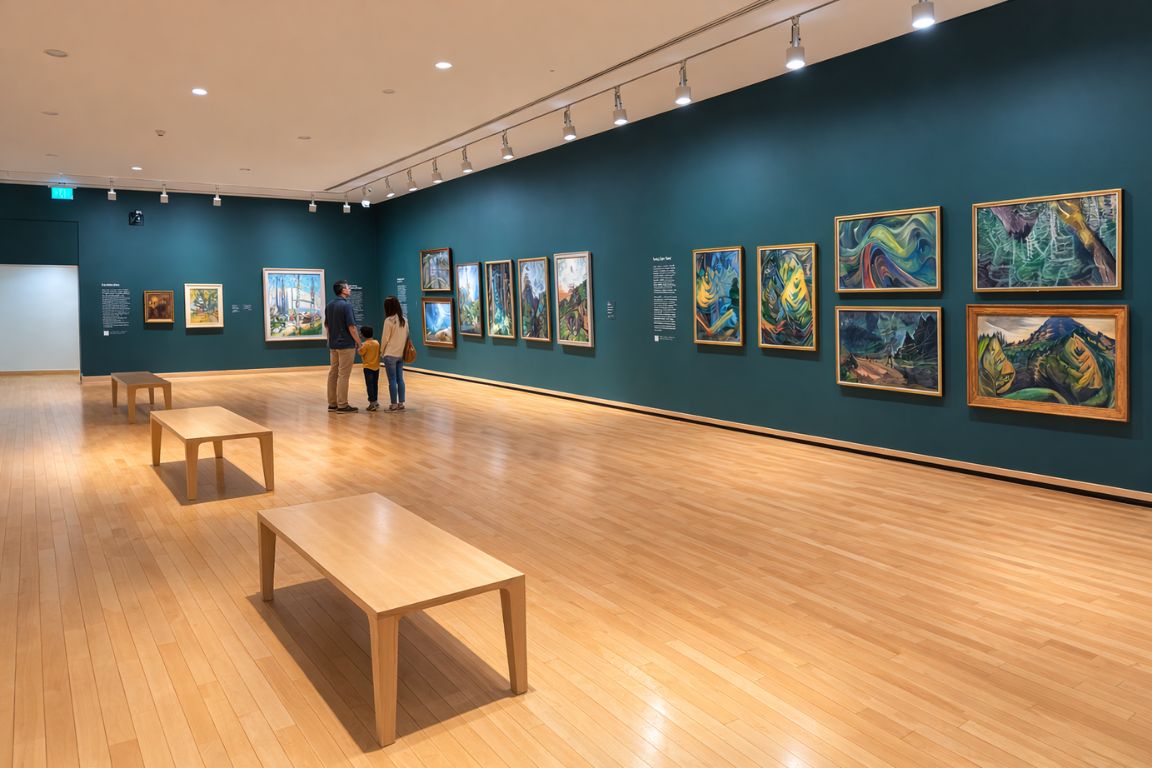
| Vancouver Art Gallery | ~$30 CAD | Reduced senior rate available |
| Museum of Vancouver | ~$22 CAD | Pay What You Can: first Sunday of each month |
| False Creek Ferries (Granville Island) | $3.25-5.50 CAD one-way | Reduced senior/child rate applies |
| BC Ferries (BC residents 65+) | Standard passenger fare | 100% passenger fare discount Mon-Thu (BC Gold Carecard required; BC residents only) |
The BC Ferries discount is specifically for British Columbia residents with a BC Gold Carecard or BC Services Card. Visitors from other provinces or countries do not qualify, but asking about senior passenger rates at the ticket booth sometimes yields a general discount regardless.
For AARP members traveling from the US: the card does offer some additional discounts at Canadian restaurants and hotels, particularly chains. Worth having in your wallet and asking about, even if it’s not officially listed.
We’ve rounded up the best nature tours from Vancouver Canada tours so you’re not stuck wondering which operators know the trails and wildlife versus which just drive you to lookout points.
| Flat, accessible Seawall | 80-95% | “Didn’t expect to be able to walk this much without strain” |
| Climate compared to home city | 65-85% | “Came from Toronto in November – felt like late summer” |
| Granville Island half-day | 75-90% | “Could have spent the whole trip just there” |
| Transit ease (SkyTrain accessibility) | 70-85% | “Didn’t need a single taxi in three days” |
| Pacing flexibility | 60-80% | “Nice not to feel rushed from one thing to the next” |
What Do Senior Travelers Most Often Wish They’d Known Before Visiting Vancouver?
 The four things that catch senior travelers most often: not knowing the Concession Compass Card requires a separate application (it’s not automatic), assuming Gastown is flat when it isn’t, underestimating the Capilano-to-Grouse transit gap, and booking a hotel based on downtown price without checking which part of downtown. These are fixable with five minutes of planning. Here’s how to fix them.
The Concession card takes a step. You can’t just show up and tap with a senior discount. You need a Concession Compass Card, which requires applying at a Compass Customer Service Centre at Stadium-Chinatown Station, or through some select retailers. If you’re visiting from out of province, the easiest move is to apply before you arrive at compasscard.ca, or simply buy individual Concession tickets from the machines in each station and carry your ID. The difference in fare adds up over a multi-day visit.
Gastown’s terrain. The tourist section around Water Street is manageable, but the cobblestones in the historic core are uneven and the streets descend toward East Hastings. Anyone with a cane, walker, or ankle issues should approach from Cordova Street rather than through the lower cobblestone blocks. The route from Waterfront Station along Cordova is smoother and more direct.
Capilano and Grouse are close but not connected by transit. There is no direct bus between Capilano Suspension Bridge and Grouse Mountain. The free shuttle from downtown drops you at Capilano. Getting from Capilano to Grouse requires a rideshare or taxi (typically $15 to 25 CAD for the 10-minute trip). This surprises people. If you’re doing both attractions in one day, build in the transfer time and the cost.
Hotel location in “downtown.” The area east of Granville and Robson involves more hills and more street noise than Coal Harbour or the West End. Some hotels advertise a downtown location that is technically accurate but puts you 20 minutes from the seawall on uneven terrain. The West End and Coal Harbour waterfront strips are where you want to be if easy walking access to parks and the Seawall is a priority.
One quieter tip that comes up often in our groups: the Vancouver Art Gallery‘s second-floor cafe and the Fairmont Hotel Georgia lobby bar both have excellent seating with minimal ambient noise. They’re the kind of spots that don’t show up on itinerary lists, but for travelers who want a slow, comfortable afternoon with good coffee and no need to keep moving, they’re worth knowing about.
We’ve answered the question is Vancouver safe for tourists with details on which neighborhoods need caution and what the real risks are versus overblown stereotypes.
Frequently Asked Questions
What age qualifies for senior transit discounts on Vancouver’s SkyTrain?
You need to be 65 or older to qualify for the Concession fare on TransLink (SkyTrain, bus, SeaBus, and West Coast Express). Valid photo ID proving your age is required. Apply for a Concession Compass Card at the Stadium-Chinatown Customer Service Centre or through select retailers. Individual Concession tickets can also be purchased at station vending machines.
Is Vancouver hilly and difficult to walk?
The central waterfront area, including Coal Harbour, the West End, and the Seawall, is essentially flat. Gastown’s historic core has uneven cobblestones and some slope. Kitsilano and areas east of Burrard Street have steeper blocks. Senior travelers who base in Coal Harbour or the West End and stick to the Seawall corridor will encounter very little grade.
What is HandyDART and how do I use it as a visitor?
HandyDART is TransLink’s door-to-door transit service for people with disabilities who cannot use conventional transit without assistance. It requires pre-registration and advance booking (up to seven days ahead). Call 604-575-6600 or toll-free 1-844-475-6600. Because registration requires some lead time, set this up before your trip if you think you’ll need it.
Does Vancouver have accessible beaches?
Yes. English Bay and Kitsilano Beach both have accessible mats that extend toward the water, allowing wheelchair users and those with limited mobility to reach the sand. English Bay is the closest to the West End hotels and is flat from the street level down to the water’s edge path.
What is the best time of year for senior travelers to visit Vancouver?
September is the strongest choice. The weather is mild and dry, crowds thin out after Labour Day, and hotel rates are lower than the July-August peak. Spring (late March through May) is the second-best window, with cherry blossom season in late March and early April adding a visual highlight. The wildfire smoke risk that can affect air quality in late July and August is not a concern in September.
Can I use my US or international disabled parking permit in Vancouver?
Yes. British Columbia has a reciprocal program with other Canadian provinces, the United States, and EU countries. Your permit is valid at designated accessible parking spaces in Vancouver. Carry the original documentation alongside the permit for verification.
Vancouver is one of the most rewarding cities in the world to visit at a slower pace. We design tours specifically around the traveler in front of us, not a standard itinerary. If you’d like someone to handle the transport, pacing, and on-the-ground details so you can just enjoy the city, the Vancouver Canada Tours team is ready to help. We’ve been doing this since 2010. Written by Ethan James CarterCanadian tour guide since 2010 · Founder, Vancouver Canada Tours
Ethan has guided over 11,400 travelers through Vancouver, the North Shore mountains, and British Columbia’s coast since founding the agency.
Choose the experience that fits your trip
Our starting recommendation; confirm your party’s needs and travel date.
Compare alternatives and adjust the recommendation
| Experience | Why pay for it | Time and practical limits |
|---|---|---|
| Private Vancouver City Tour | Private driver-guide with flexible stops, including Stanley Park and Granville Island. | 240 min planning window Four hours; listing confirms accessible vehicles and surfaces. Confirm your device and boarding arrangements. |
| Vancouver City Highlights Tour | Guided city tour including Stanley Park and Granville Island. | 210 min planning window 3.5 hours; meals and attraction purchases extra. |
| Stanley Park Ancient Trees Walk | Guided exploration of ancient trees using historic maps and photographs. | 150 min planning window Walking required; this is not an Indigenous-led tour. |
Compare your own quotes in CAD
Use totals for the same people, date and inclusions. Add transport, tickets and taxes to the independent plan.
Check your date before arranging the rest of your day
Private Vancouver City Tour
Private driver-guide with flexible stops, including Stanley Park and Granville Island.
Central Vancouver pickup and hotel return; arrange details with the operator. Four hours; listing confirms accessible vehicles and surfaces. Confirm your device and boarding arrangements.
Choose a date to see scheduled departures. Availability and final price are confirmed on Viator.
Your date is a planning check; select it again on Viator to confirm your booking.